
Cost vs Performance: Is Birch Plywood Worth the Investment?
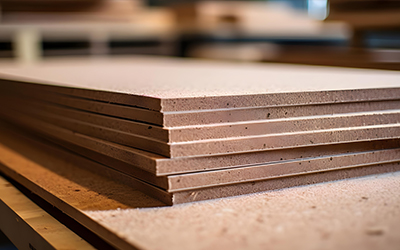
Cost vs Performance: Is Birch Plywood Worth the Investment? Introduction: The Growing Demand for Birch Plywood Birch Plywood has gained significant attention among woodworkers, designers, and architects due to its balance of durability, aesthetic appeal, and adaptability. As modern interiors and furniture increasingly embrace minimalist and functional designs, choosing the right plywood becomes crucial. Evaluating Birch Plywood in terms of cost vs performance helps buyers make informed decisions before investing in high-quality materials. Understanding the relationship between price and performance is essential for both small-scale furniture makers and large interior projects. By exploring the unique features and practical benefits of birch plywood, you can determine if it is the ideal option for your woodworking or interior needs. What Makes Birch Plywood Different from Regular Plywood Birch Plywood stands apart due to its fine-grain texture, light color, and smooth surface. The material is crafted from thin layers of birch wood, a hardwood known for its strength and flexibility. Its natural uniformity ensures consistent performance during cutting, bending, and finishing. Unlike commercial plywood, birch plywood exhibits superior tensile strength and resistance to warping. The wood’s origin contributes to its unique grain patterns, making it suitable for visible furniture surfaces and high-end interior applications. Designers often prefer birch plywood for its combination of elegance and structural reliability. Cost Analysis: Understanding the Price Factors The birch plywood cost depends on multiple factors including grade, thickness, brand reputation, and import source. High-grade sheets are typically free from knots and defects, ensuring a flawless finish for furniture and interior panels. Imported birch plywood can command higher prices due to quality control, sourcing and high quality standards. When comparing Birch plywood price vs quality, it often exceeds commercial plywood but offers better durability and finishing potential. Marine plywood and other specialty grades can match birch in strength but may differ in aesthetics. In India, the average market price for standard birch plywood sheets ranges based on size and thickness, reflecting its premium positioning. Performance Evaluation: Strength, Durability, and Flexibility The performance of birch plywood makes it a preferred choice for projects requiring both strength and aesthetics. Its high tensile strength allows it to support heavy furniture designs without bending or sagging. Birch plywood is also resistant to moisture-related warping, which increases its lifespan in humid conditions when properly sealed. Flexibility is another benefit, making it suitable for custom furniture, shelving, and interior panels that require slight curves or complex designs. Its smooth, dense surface allows for high-quality finishes, paint adhesion, and veneering, ensuring a professional result in furniture and interiors. Birch plywood applications extend to flooring, cabinetry, and wall paneling due to its ability to maintain stability under long-term use. For furniture that requires repeated handling or load-bearing capacity, birch plywood performance consistently outperforms lower-grade options. Advantages of Choosing Birch Plywood There are several advantages of birch plywood that justify its investment. The material provides a smooth surface ideal for fine finishes, laminates, or paint. Its high-quality adhesive bonding ensures layers remain intact, reducing the likelihood of delamination. Birch plywood is compatible with CNC cutting and other precision machinery, making it a preferred choice for modern custom furniture. The wood’s excellent screw-holding capacity enhances the durability of assembled furniture pieces, minimizing structural weaknesses. Lightweight yet strong, it balances ease of handling with long-term reliability. Is Birch Plywood Worth the Investment? Considering birch plywood cost alongside its long-term durability and finish quality, it offers a compelling value proposition for premium projects. The cost-to-performance ratio favors birch plywood for furniture, interior panels, and applications where appearance, strength, and longevity are critical. Investing in birch plywood ensures fewer replacements, reduced maintenance, and superior visual appeal. For designers, architects, and furniture makers aiming for high-quality output, birch plywood furniture projects gain from its smooth finish, dimensional stability, and resistance to wear. Experts recommend birch plywood for visible surfaces, modular furniture, and high-end interior designs. While initial costs may be higher, the long-term benefits often outweigh cheaper alternatives. Conclusion Birch plywood is a premium material that combines strength, durability, and aesthetics. By evaluating birch plywood performance, buyers can understand its advantages over standard plywood and other specialty grades. Its smooth finish, resistance to warping, and compatibility with modern woodworking techniques make it ideal for furniture, interior panels, and decorative applications. For projects where quality and longevity matter, birch plywood justifies the investment. Choosing the right grade and thickness ensures the material meets performance expectations and contributes to sophisticated, durable results. FAQ’s What factors influence birch plywood cost? The birch plywood cost depends on grade, thickness, brand, and import source. Higher-grade sheets with defect-free surfaces and better bonding command premium prices. Can birch plywood be used for outdoor furniture? Birch plywood is not fully waterproof. For outdoor applications, it should be laminated or sealed to prevent moisture damage. How does birch plywood compare with commercial plywood? Birch plywood offers smoother surfaces, higher tensile strength, and better long-term durability, making it ideal for premium furniture and interiors. Is birch plywood suitable for CNC cutting and custom designs? Yes, birch plywood performance allows precise cutting and shaping, making it compatible with CNC machines and custom furniture fabrication. What are the main applications of birch plywood? Birch plywood applications include furniture, cabinets, interior paneling, flooring, and decorative elements where durability and aesthetics are important. Browse SomaniPly birch grade plywood and our full plywood range.
Future of Furniture Design: How Flexi Grade Plywood Is Shaping Curved Architecture
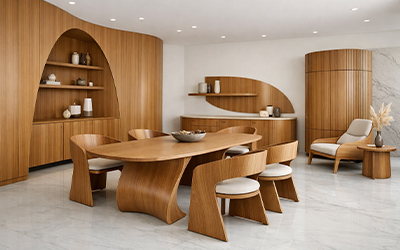
Future of Furniture Design: How Flexi Grade Plywood Is Shaping Curved Architecture Introduction: The Evolution of Modern Furniture Design The landscape of interior design has undergone significant transformation over the years. Traditional straight lines and boxy furniture have gradually given way to flowing, organic shapes. Curved forms in furniture and interiors are becoming increasingly popular, offering a softer, more inviting aesthetic. Designers and architects are seeking materials that allow them to execute complex geometries without compromising structural stability or aesthetics. This is where Flexi Grade Plywood comes into play. Its unique combination of strength, flexibility, and durability enables designers to break conventional boundaries. Flexi plywood furniture design has become a cornerstone of modern interiors, supporting creative concepts in both residential and commercial spaces. What Is Flexi Grade Plywood? Flexi Grade Plywood is specially engineered to bend easily without cracking or breaking, unlike traditional plywood sheets. It is composed of thin veneers that are glued together using high-quality adhesives. This structure gives it flexibility while maintaining strength. Designers prefer Flexi plywood furniture design because it allows intricate curves and shapes that are difficult to achieve with standard plywood. The ability to mold the material into sweeping forms expands possibilities in furniture, partitions, and architectural elements. Moreover, it retains the natural durability and resistance of conventional plywood, making it suitable for both everyday use and artistic applications. The Role of Flexi Grade Plywood in Curved Architecture Curved architecture demands materials that can support unusual geometries without sacrificing stability. Plywood for curved architecture is ideal because flexible plywood for designers provides structural integrity while being easy to shape. In practice, Flexi Grade Plywood is used to create curved walls, custom partitions, and flowing furniture designs. Designers can fabricate smooth surfaces without visible joints or breaks, which contributes to a premium aesthetic. Modular interiors, where pieces need to fit precisely into unique spaces, benefit greatly from Flexi plywood applications in interiors. Advantages of Using Flexi Plywood in Modern Furniture The advantages of Flexi Grade Plywood extend beyond its bendable nature. It is lightweight, which makes installation easier and reduces strain on structural supports. Despite being thin and flexible, it offers durability and long-lasting performance. Smooth finishing is another significant benefit. Flexi plywood furniture design ensures that curved surfaces can be painted, laminated, or veneered without difficulty. This allows designers to maintain high-quality aesthetics while creating innovative forms. Additionally, flexible plywood for designers works well in both residential and commercial projects. Its versatility makes it suitable for contemporary home interiors, office furniture, luxury retail spaces, and hospitality design. The material’s structural stability ensures that even highly curved installations remain safe and functional over time. Design Innovations Made Possible by Flexi Plywood The unique properties of Flexi Grade Plywood enable designers to explore creative solutions that were previously difficult or impossible. Curved workstations, ergonomic chairs, and flowing cabinetry can now be produced with precision. Contemporary lighting units and artistic wall panels are increasingly crafted using Flexi plywood furniture design. Ceilings with gentle curves, sculptural installations, and even custom exhibition stands showcase the potential of flexible plywood for designers. The material allows for experimentation while maintaining reliability and quality, which encourages architects and interior designers to innovate. Sustainability and Efficiency in Material Use Eco-conscious design is becoming a priority, and Flexi Grade Plywood contributes to sustainability in several ways. Many manufacturers follow environmentally friendly sourcing practices, ensuring that the plywood comes from responsibly managed forests. Flexibility reduces material waste. Traditional rigid plywood may require cutting and joining, which results in leftover offcuts. Flexi plywood applications in interiors reduce these losses by allowing larger sheets to form complex curves without additional fabrication. The efficient use of resources aligns well with green building standards and modern sustainable design practices. The Future of Furniture Design with Flexi Grade Plywood The future of furniture and interior design will be shaped by Flexi Grade Plywood. As designers explore more complex and organic forms, this material will play an essential role in turning imaginative ideas into practical solutions. Integration with AI and CNC-based fabrication is transforming how flexible plywood for designers is used. Designers can now simulate curves and structural integrity before production, ensuring precise outcomes. Moreover, modern interior design materials like Flexi Grade Plywood support smart, modular, and adaptive furniture systems that are lightweight, aesthetically pleasing, and environmentally friendly. Predicted trends indicate that curved furniture design trends will continue to rise, with an emphasis on sustainable materials and ergonomic forms. The use of innovative plywood materials ensures that designers can meet both aesthetic and functional demands, making Flexi Grade Plywood a cornerstone of next-generation furniture and interior solutions. Conclusion Flexi Grade Plywood has revolutionized modern furniture design and interior architecture. Its unique combination of flexibility, strength, and sustainability enables designers and architects to create flowing, curved, and innovative structures without compromising quality. From Flexi plywood furniture design to plywood for curved architecture, its applications are shaping the future of design. As the demand for organic forms, sustainable solutions, and precision-crafted interiors grows, Flexi plywood applications in interiors will continue to expand. Designers and architects now have a material that bridges creativity with practicality, offering long-term durability, aesthetic appeal, and environmental responsibility. FAQs 1.What is Flexi Grade Plywood used for?Flexi Grade Plywood is primarily used in curved furniture, partitions, architectural features, and other applications that require bendable yet durable plywood sheets. 2.How is Flexi plywood different from regular plywood?Unlike regular plywood, Flexi Grade Plywood is composed of thinner veneers that allow bending without cracking. It maintains strength while enabling intricate curves and designs. 3.Can Flexi plywood be used for commercial projects?Yes, Flexi plywood furniture design is suitable for both residential and commercial spaces, including offices, hotels, retail interiors, and exhibition setups. 4.Is Flexi plywood environmentally friendly?Many manufacturers ensure sustainable plywood solutions by sourcing wood from responsibly managed forests and adhering to eco-friendly production standards. 5.How do designers test the quality of Flexi plywood?Quality can be assessed through bend tests, surface inspection, glue line strength, and adherence to Flexi plywood types and grades.
Top Benefits of Sound Absorbing Panels in Homes and Offices

Top Benefits of Sound Absorbing Panels in Homes and Offices In today’s fast-paced world, managing sound in homes and offices has become really difficult. Our daily life and work routines are disturbed by the noise caused by vehicles, electronics and open plan spaces. This can reduce our comfort and disturb our sleep. A quieter environment helps you reduce stress and help you focus on a particular task increasing your productivity. A balanced environment can contribute to your overall well being. Here comes the role of sound absorbing panels in homes and offices. In this blog, we’ll explore the top benefits of sound absorbing panels in homes and offices. What Are Sound Absorbing Panels? Sound absorbing panels absorb sound waves and hence reduce noise levels. This is different from sound proofing that blocks noise. The specialised materials used in sound absorbing panels improves the quality minimising echoes. Types of Sound Absorbing Panels Sound absorbing panels are usually made of plywood, MDF, Fiberboard and engineered wood. They are of different types depending on the material they are made from. Flat Acoustic Panels: These are the panels made of foam or polyester. It is suitable for studios, meeting rooms, and home theaters. Perforated Panels: These are sound absorbing panels made of wood and are very strong. They are usually used in auditoriums and offices. Slatted Panels: These are the panels that are visually appealing while providing sound absorption. Baffles and Clouds: They are usually used in large spaces. Suspended panels are used to control sound from above. Difference between regular plywood and perforated panels Regular plywood and perforated panels differ in their structure and purpose. Regular plywood is stronger than perforated panels and is durable. They are used for construction and furniture. On the other hand perforated panels are more for an acoustic purpose to absorb sound waves. They are used to improve acoustics in offices, auditoriums and other interior spaces. Plywood is made by gluing together layers of wood veneer while perforated panels are made from plywood or similar materials and have spaced holes or slots across their surface to absorb sound waves. Top Benefits of Using Sound Absorbing Panels Sound absorbing panels offer a wide range of benefits. They help in creating a quieter and comfortable environment by minimising echoes and reducing unwanted noise. These panels enhance privacy in homes and offices as they prevent conversations from being overheard. It helps in improving acoustic quality especially in a conference room, home theater,or podcast studio. They last for a long time as they are made from MDF and perforated plywood. This makes them durable and resistant to moisture. Modern acoustic panels come in a variety of textures, colors, and finishes. Thai enhances the visual appeal while being functional. Perforated Panels: A Modern Solution Due to their aesthetic appeal and functional benefits, perforated panels are preferred in modern architecture and interior design. They are used to absorb sound and create a quieter environment. When sound waves hit the surface of these panels, the holes in the plywood help in absorbing sound. This reduces echo and reverberation. It is ideal for offices, conference rooms and home theaters creating an acoustically balanced space. The type of plywood used largely affects the quality and performance of the perforated panels. Due to its smooth surface and quality, furniture-grade plywood is a good option to make perforated panels. If you want a decorative finish along with sound absorption, plywood used for wardrobes is also suitable. If you are looking for long-term durability, termite-resistant plywood would be better. It is recommended especially for areas prone to pests or humidity. See perforated panels and office workstation plywood guidance. Applications of Sound Absorbing Panels Sound absorbing panels find application in various spaces. Home interiors: bedrooms, living rooms, media rooms They are ideal for bedrooms and living rooms. By reducing outside noise and creating a peaceful environment, sound absorbing panels help in increasing the quality of your life. Offices: meeting rooms, open workspaces, conference halls: Sound absorbing panels helps in maintaining privacy during conversations and improve clarity of speech in meetings. It is extremely helpful if the offices are located in open-plan layouts. Modular furniture and decorative wall panels Sound-absorbing materials have stylish elements that blend with the modern designs. They are used in modular furniture and decorative walls as they help in enhancing the visual appeal of the space while providing good functionality. Choosing the Right Supplier Before choosing sound absorbing panels for your space, always choose materials that are of superior quality and lasts for a long time. Here are a few things to know before you invest in sound absorbing panels. How to Identify Quality Plywood and Panels Ensure the plywood has a smooth and uniform surface. Also, make sure that the cores do not have gaps and are minimally wrapped. Touch the plywood and feel it before finalising. It should not bend easily and must feel rigid. This is how good quality plywood should be. Check finishing on perforated panels. The holes should be clean-cut and evenly spaced. Tips for Buying from the Best Plywood Company in India Choose reputable brands known for consistent quality and reliability. Look for customer reviews, years in business, and project portfolios. Ask for Samples. This will help you test them before you purchase them in bulk. Ensure that the supplier provides a wide product range. It may be a wide variety of furniture-grade plywood, termite-resistant options, and ready-to-install perforated panels. Ensure the company provides after sales support. They must give installation guidance, technical support, and warranties where applicable. Go for suppliers that use eco-friendly, responsibly sourced wood to ensure minimal environmental impact. Sound absorbing panels offer a smart and effective solution for managing noise in modern homes and offices. From reducing unwanted echoes to enhancing privacy and improving acoustic quality, their benefits go far beyond aesthetics. With durable material options like perforated plywood and stylish designs that complement any interior, these panels serve both functional and decorative purposes. Whether in
Why MDF Boards Are Becoming the First Choice for Indian Homes

Why MDF Boards Are Becoming the First Choice for Indian Homes For many years. Indians have relied on traditional plywood and fiberboard solutions. However, there are many challenges associated with them. In recent years, Medium Density Fibreboard (MDF) is replacing traditional materials like plywood and solid wood in furniture, cabinetry, and interior decor. MDF is a good option if you want the furniture at an affordable price, yet good quality. Whether it’s for modular kitchens, custom wardrobes, or sleek wall panels, MDF is quickly becoming the material of choice for designers, carpenters, and homeowners alike due to its flexibility and affordability. What is the MDF Board? MDF stands for Medium Density Fiberboard. It is an engineered wood product. It is made by breaking down hardwood or softwood residuals into wood fibers. These fibers are then combined with wax and a resin binder, and formed into panels by applying high temperature and pressure. Due to its smooth surface and affordability, it is becoming popular in furniture and interior applications in Indian homes. Top Reasons MDF Boards Are Popular in India MDF boards are popular in India due to the following reasons: MDF boards are cheaper compared to traditional plywood. It is the best choice for people who want the best quality at an affordable price. MDF is highly flexible when it comes to design. Its versatility is apt for designs in modern interiors. There are water resistant variants available that make them suitable for kitchen and bathroom. As it has a smooth and uniform surface, it allows for painting and lamination. Compared to solid wood, MDF is a more sustainable choice as it is made from recycled wood fibres and wastes. Difference between MDF, HDF, and plywood MDF (Medium Density Fiberboard), HDF (High Density Fiberboard), and plywood differ in composition, strength, and usage. MDF is made from fine wood fibers and resin, offering a smooth surface ideal for painting and decorative finishes. HDF is denser and stronger than MDF, making it suitable for flooring or heavy-use furniture. Plywood, on the other hand, is made by gluing together thin layers (plies) of wood veneer, giving it greater strength and moisture resistance. While MDF is more affordable and easy to shape, it’s less resistant to moisture compared to plywood. HDF, though slightly costlier, provides better durability and density. Applications of MDF Boards in Indian Homes MDF boards have become a preferred material in Indian interior design due to their affordability, smooth finish, and adaptability. Here are some of the most common and practical applications in Indian households Wardrobes & Cabinets: MDF boards are used in wardrobes and cabinets due to their strength and durability. Kitchen Furniture & Modular Units: MDF is often used for cabinet shutters, pantry units, and internal shelves as they offer good protection against humidity. Wall Paneling & Decorative Elements: MDF is perfect for wall panels and other designs due to its ease of carving. This helps to increase the visual appeal. Doors & Drawer Shutters: MDF is commonly used for internal doors, wardrobe shutters, and drawer fronts. MDF Boards vs Plywood vs Fiberboard MDF, plywood, and fiberboard differ on the basis of: Strength and durability comparison Plywood is the strongest among the three. MDF has moderate strength and offers a smooth, uniform surface but is less resistant to impact and moisture unless treated. Fiberboard (often low-density) is the least durable and generally weaker, prone to swelling and damage when exposed to moisture. Price comparison Plywood is the most expensive and fiberboard is usually the most affordable option. MDF is cost-effective, giving a balance between price and quality. Plywood is ideal for structural furniture, load-bearing shelves, and areas exposed to moisture, such as kitchens and bathrooms. MDF suits smooth-finished furniture like wardrobes, cabinets, wall panels, and decorative elements where aesthetics matter.Fiberboard works well for temporary fixtures, backing panels, and lightweight furniture that doesn’t require high strength or moisture resistance. MDF Board Designs to Consider Popular thicknesses and sheet sizes MDF boards come in a variety of thicknesses. Thickness of 3mm to 6mm is ideal for decorative panels and drawer bottoms. Cabinet doors and shelves use boards that have thickness of 9mm to 12mm.Standard sheet sizes in India are usually 8 feet by 4 feet (2440mm x 1220mm), making it easy to plan and minimize wastage. Design ideas for wardrobes, shelves, and partitions Use MDF for smooth wardrobe shutters with laminated or painted finishes if you want to give a modern touch. MDF shelves offer a sleek, uniform look. Pair with metal brackets for minimalist floating shelves or create closed units with hidden hinges. Decorative MDF partitions with laser-cut patterns or 3D textures can enhance living rooms or dining areas without heavy construction. Combining MDF with plywood or HDF MDF is often combined with plywood or HDF to balance the quality and price. It can be done by using plywood for the base to ensure it is durable. MDF can be used for doors and panels as it gives a smooth finish and hence is visually appealing. HDF can be used in flooring and bottoms of the drawers. This combination takes the best qualities of each material making it suitable for attractive interiors. Compare with prelaminated MDF, HDF / HDHMR, and plywood options. Buying Guide for Indian Consumers Before you buy MDF boards, here are a few things to be noted. Good quality MDF boards are usually heavy. Therefore check for weight. Ensure the board is uniform and smooth. Uneven texture may affect the final results. Verify if the board is moisture resistant especially when you are choosing them for kitchens or bathrooms. Prefer reputed suppliers or trusted brands to ensure quality. Due to their affordability and versatile designs, MDF boards have become the first choice for Indian homes. MDF is a solution to many challenges posed by traditional plywood and fiberboard. It offers a perfect balance between quality and cost and is best for modern interior applications. MDF is flexible and this makes it ideal for creating stylish and
Why HDHMR & Waterproof Plywood Are the Best Choices for Kitchens in India

Why HDHMR & Waterproof Plywood Are the Best Choices for Kitchens in India From daily cooking to deep cleaning, Indian kitchens face high humidity, heat, and constant exposure to water and oil. In such conditions, the choice of materials matter a lot. Choosing the right base material for cabinets and shelves ensures that they will last long without any damage. They also ensure better hygiene and reduce your costs on maintenance. This is where HDHMR (High Density High Moisture Resistant) boards and waterproof plywood emerge as top choices. What is HDHMR? HDHMR stands for High-Density High Moisture Resistant board. It is engineered wood made by fiber chips, forest wood waste, and hardwood chips. These components are pressed together under high temperature and pressure to form a wood that is dense. It is also resistant to moisture. This makes HDHMR an ideal material for Indian kitchens that is frequently exposed to moisture and heat. How is it different from MDF & HDF? MDF and HDF offer strength, but it still lacks significant moisture resistance compared to HDHMR. This makes HDHMR suitable for kitchens and bathrooms. Standard MDF and HDF are not treated for termites or borers, whereas HDHMR boards are chemically treated providing advanced termite resistance. Overall, HDHMR provides the perfect balance of strength, durability, and resistance to environmental stress,making it a far better choice than MDF or HDF for Indian kitchens. Key features of HDHMR for kitchen use The following features of HDHMR makes it ideal for kitchen use. HDHMR boards can withstand high humidity and moisture making them perfect for Indian kitchen conditions. They have high strength that helps in heavy kitchen cabinets or fixing hardware. Regular plywoods are more vulnerable to termite attacks. HDHMR boards are chemically treated that makes them resistant to such attacks. Due to their smooth and uniform surface, they can be easily painted. They are safe for home interiors as they are made using eco-friendly materials. As they require low maintenance, they help in saving money in the long run. What is Waterproof Plywood? Waterproof plywood is designed to resist moisture, humidity, and water exposure. Due to this, they are highly suitable for wet areas like kitchens and bathrooms. BWR (Boiling Water Resistant) and BWP (Boiling Water Proof) plywood are the most common types of waterproof plywood BWR plywood is made using synthetic resin, usually formaldehyde. It can withstand exposure to water and humidity, but for a limited duration whereas BWP plywood is bonded with high-quality phenol-formaldehyde resin, making it fully waterproof and suitable for continuous exposure to moisture. Waterproof plywood has strong bonding and high load-bearing capacity ideal for heavy kitchen cabinets and countertops. The plywood can resist boiling water for hours without delaminating. They are treated to resist termite attacks which is a serious concern. It supports all types of surface finishes like laminates, veneers, and paints and lasts for a long time if maintained well. All these features make them ideal for kitchens. Compare with BWP waterproof plywood for kitchens and bathrooms, our HDF / HDHMR range, and BWR / BWP grade plywood. Difference between waterproof plywood & MR grade plywood Waterproof plywood and MR plywood differ mainly in their ability to handle moisture and water exposure. MR plywood resists humidity and light moisture. It is suitable for wardrobes and study tables that are not exposed to water. Waterproof plywood can withstand prolonged water exposure. This makes waterproof plywood ideal for kitchens, bathrooms, and other wet areas. Waterproof plywood is also stronger, more durable, and resistant to termite or borer attacks compared to MR plywood. Benefits of HDHMR in Kitchens HDHMR boards are resistant to high moisture and offer superior strength. They have synthetic resins which prevents them from swelling or other damage that happens due to wet conditions. They support heavy kitchen cabinets and hardware due to their superior strength and density. HDHMR is also chemically treated for termite resistance that gives an added advantage. Due to its smooth surface and durability, HDHMR is ideal for making kitchen cabinets, shutters, and shelves Benefits of Waterproof Plywood in Kitchens Waterproof plywood is ideal for heavy kitchen cabinets, shelves, and countertops due to its high load-bearing capacity. It is suitable for multiple uses like flooring, countertops, wall partitions, etc. It is easily available in multiple grades and price ranges, it offers budget-friendly options without compromising on quality or performance. All these make waterproof plywood beneficial. HDHMR vs Waterproof Plywood: Which One Should You Choose? HDHMR is ideal for spaces where there is no direct water contact. It is ideal for shutters, partitions, and modular furniture. It is easier to finish and more cost-effective compared to waterproof plywood. Waterproof Plywood is best for areas that are frequently exposed to water. It is ideal for under-sink cabinets and countertops. If you prefer budget-friendly, sleek, and uniform finishes, HDHMR is best for you. It is suitable for areas with no direct water contact. Instead of choosing one over the other, the best kitchens often combine HDHMR and waterproof plywood. Use HDHMR for shutters and visible surfaces to get a premium, smooth finish at a lower cost and waterproof plywood for carcasses, sink areas, or places exposed to water. Applications in Modular Kitchens Waterproof plywood and HDHMR find diverse applications in modular kitchens. They enhance durability and design. They are used in cabinets, wardrobes and shutters. To withstand constant moisture, countertops use waterproof plywood. Due to their resistance to termites, HDHMR is used for drawers, shutters and partitions. Together they give a perfect blend of strength and aesthetics in the kitchen. Buying Guide for Indian Customers Before you buy plywood, keep the following things in mind. Choose original products that are labeled as BWP/BWR and HDHMR boards from reputed brands. Purchase only from authorized dealers or trusted suppliers. Verify product details like grade, thickness, and moisture resistance on packaging. Always ask for samples to check for their quality before buying in bulk. HDHMR and waterproof plywood are extremely beneficial for Indian kitchens. They provide moisture
Top Benefits of Using Termite Proof Plywood in Indian Homes

Top Benefits of Using Termite Proof Plywood in Indian Homes Due to its strength, versatility, and affordability, Plywood is widely used in Indian homes interior design, kitchen cabinets, wardrobes, and furniture. This is due to its strength, versatility and affordability. However, plywood is susceptible to termite attacks and this is a serious issue. Termites silently destroy the wooden structures from the inside and damage them which are expensive to repair. In this blog we will explore how this issue can be tackled using termite proof plywood. What is Termite Proof Plywood? Termite proof plywood is a type of wood that is developed specially to prevent termite attacks. It helps to protect your furniture, cabinets and wooden structures from termites and prevents their damage over time. Termite proof plywood is made by selecting hardwood or softwood that is strong and has high durability and adding chemicals like boric acid, borax that resist termites. Termite-resistant chemicals are mixed into the adhesive (resin) used for bonding the veneers. This prevents termite attack at the glue lines, a common entry point. The treated veneers are then hot-pressed under high temperature and pressure to form solid plywood sheets, followed by seasoning and surface finishing. Difference between termite resistant vs termite proof plywood Despite their apparent similarities, termite resistant and termite proof plywood differ greatly in terms of durability and protection. To a certain extent, termite-resistant plywood can withstand termites. Only the surface is chemically treated. Despite this treatment, the wood is still susceptible to termite damage and may require regular repairs. Termite-proof plywood, on the other hand, undergoes a more extensive treatment procedure. To ensure thorough and durable protection, anti-termite chemicals are deeply applied to both the core and surface layers. Because of this feature, it is extremely resilient and perfect for use in termite-infested areas. Termite-proof plywood is more costly due to its sophisticated processing. But in the long run, it is reliable in valuable installations like kitchen cabinetry, wardrobes, or areas with a known termite problem. Top Benefits of Using Termite Proof Plywood Durability & Long Life: The deep chemical treatment makes the plywood resistant to insect damage and decay. Unlike the regular wood, termite proof plywood has a longer lifespan. Protection Against Termite Infestation Termite proof plywood ensures that our furniture remains safe for years. As the plywood is treated with specialized chemicals, it is completely immune to termite attacks. Low Maintenance Costs Termite proof plywood reduces maintenance costs over time as it does get damaged easily. This eliminates the need for frequent repairs reducing the overall costs. Better Strength & Structural Stability Beyond pest resistance, termite proof plywood is also known for its superior strength and bonding. It maintains structural integrity even in demanding conditions, making it suitable for heavy-duty applications. Ideal for Indian Climate Conditions Termite proof plywood performs well in warm and humid conditions. India has diverse climatic conditions that help termites grow. Hence, these are ideal for Indian climatic conditions. Safe & Eco-Friendly Options Available Termite-proof plywood is also available in eco-friendly options. Many manufacturers now provide termite-proof plywood treated with non-toxic, eco-friendly chemicals. This makes it safe for indoor use, especially in homes with children or pets. It is also better for the environment. Related: anti-termite plywood for furniture and MR grade plywood. Applications of Termite Proof Plywood in Homes Wardrobes & Cabinets: Due to its resistance to termite damage and long-lasting durability, termite proof plywood is ideal for bedroom wardrobes, bathroom vanities, and storage cabinets Kitchen Furniture: Termite proof plywood is perfect for kitchen cabinets, modular kitchen units, and shelving, where protection there is high risk of moisture and pests. Doors & Windows: These plywood minimises the risk of termite attacks. This ensures structural strength and durability and is ideal for main doors, internal doors, and window frames. Flooring & Wall Paneling: These plywoods provide a termite-resistant foundation in homes. They enhance interior aesthetics while offering additional protection against termites in living rooms, hallways, and bedrooms. Termite Proof Plywood vs Regular Plywood Lifespan comparison Regular plywood has a shorter lifespan especially in termite‑prone, humid, or wet environments. They can suffer damage, decay, warping etc. over a few years whereas termite proof plywood has a much longer lifespan. They stay for years without damage. Cost vs value Termite proof plywood is expensive at the beginning. The advanced chemical treatment and its high quality add cost.add cost. Over time, the extra cost tends to pay off due to reduced repairs, reduced pest control, and less frequent replacements. Long-term benefits Termite proof plywood survives longer under moisture, pests, heat cycles. This results in less frequent replacements for furniture, doors, panels etc. This results in reduced repairs and is cost effective in the long run. How to Identify Original Termite Proof Plywood If you want to identify original termite proof plywood, keep these things in mind. Original products will often have branded stamps on the surface of the plywood sheet. The surface should be smooth and uniform, without signs of prior infestation Though not a professional test, you can do this. Wet a small corner of the plywood and smell it closely. If it smells strongly of chemicals or has a distinct treated odor, it’s likely termite-proof. Tap on the sheet termite-infested or poor-quality plywood sounds hollow. As it provides long-term protection against termite infestation, one of the most prevalent and destructive issues in Indian homes, termite-proof plywood is a wise investment for Indian households. Termites are particularly vulnerable to wooden structures in India’s humid and tropical climate. Even structural woodwork, cabinets, and furniture can be silently destroyed by these pests. Over time, it becomes a cost-effective choice by eliminating the need for costly replacements or frequent repairs. All things considered, it increases the longevity of your furniture, fortifies the house’s structural soundness, and adds long-term value to your investment.