
Best Plywood Options for Heavy Load Shelving in Interiors
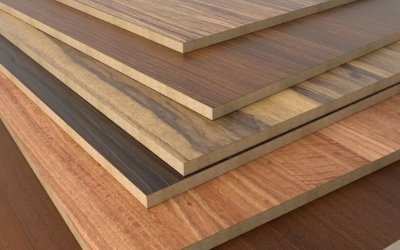
Best Plywood Options for Heavy Load Shelving in Interiors BWP Grade Plywood (Boiling Water Proof) BWP grade plywood is considered one of the strongest plywood options for interior shelving that needs to support heavy loads. It is manufactured using high-quality hardwood veneers that are bonded with phenolic resin under high pressure. This process creates a dense and highly durable board that can withstand both structural stress and exposure to moisture. For interior applications such as kitchen cabinets, wardrobe shelves, storage racks, and commercial shelving units, BWP plywood provides excellent load-bearing capacity. Because of its strong bonding and structural stability, it reduces the chances of bending, warping, or sagging even when the shelves hold heavy items like books, appliances, or storage boxes. Many interior designers and carpenters prefer using reliable brands like SomaniPly for such heavy-duty interior furniture applications because of the consistent quality and durability. Why it works for heavy shelving High structural strength Excellent moisture resistance Long lifespan for interior furniture Pair with BWR / BWP grade plywood and plywood for modular furniture. BWR Grade Plywood (Boiling Water Resistant) BWR grade plywood is another dependable option for interior shelving systems that need good strength and durability. It is manufactured with waterproof synthetic resin adhesives that provide resistance to water and humidity. This makes BWR plywood suitable for indoor areas where moderate moisture exposure may occur. In residential and office interiors, BWR plywood is commonly used for bookshelves, wardrobes, wall-mounted storage units, and modular furniture. It can handle considerable weight while maintaining structural stability, especially when shelves are properly supported with brackets or frames. Choosing high-quality plywood from trusted manufacturers like SomaniPly helps ensure better performance and long-term durability for interior shelving solutions. Benefits Strong and durable Good resistance to humidity Cost-effective compared to BWP plywood MR Grade Plywood (Moisture Resistant) MR grade plywood, often referred to as commercial plywood, is widely used in interior furniture and shelving where the environment remains relatively dry. While it does not offer the same level of water resistance as BWR or BWP plywood, it still provides adequate strength for everyday storage applications. This plywood type is commonly used for decorative shelves, cupboards, wall units, and other interior furniture pieces. It works well for shelving that carries moderate loads, making it a practical choice for homes, offices, and retail interiors where cost efficiency is also important. Advantages Economical option Smooth finish for interior furniture Good strength for moderate loads Recommended Choice for Heavy-Load Shelving For shelving that must support maximum weight, BWP plywood is generally the most reliable choice because of its superior strength and water resistance. It ensures durability and stability even under heavy usage. For standard interior shelving where the load is moderate but durability is still important, BWR plywood offers a balanced combination of strength, moisture resistance, and affordability. Selecting quality plywood products from trusted brands such as SomaniPly can further improve the longevity and performance of interior shelving systems. Comparison of Plywood Types for Shelving Plywood Type Strength Water Resistance Best Use BWP Plywood Very High Excellent Heavy storage shelves, kitchen cabinets BWR Plywood High Good Bookshelves, wardrobes MR Plywood Moderate Basic Light interior shelving Choosing the right plywood grade is essential for building strong and durable shelving systems. By selecting the appropriate plywood type and sourcing it from reliable manufacturers like SomaniPly, homeowners and interior designers can ensure long-lasting and sturdy storage solutions for modern interiors. Frequently Asked Questions 1.Which plywood is best for heavy-load shelving in interiors? BWP grade plywood is best for heavy-load shelving because it offers high strength and excellent moisture resistance. 2.Can BWR plywood be used for heavy shelves? Yes, BWR plywood can support heavy shelves due to its good strength and water-resistant bonding. 3.Is MR plywood suitable for shelving? MR plywood is suitable for light to moderate shelving in dry interior areas. 4.What thickness of plywood is ideal for heavy shelves? Plywood with a thickness of around 18 mm is generally recommended for heavy-load shelving. 5.Does plywood grade affect shelf durability? Yes, higher-grade plywood like BWP and BWR provides better durability and load-bearing strength. 6.How can plywood shelves be prevented from sagging? Using thicker plywood, proper supports, and high-quality grades helps prevent shelf sagging.
How Plywood Is Made: Step-by-Step Manufacturing Process
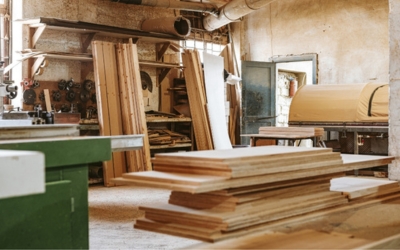
How Plywood Is Made: Step-by-Step Manufacturing Process Plywood is one of the most widely used materials in furniture, interior design, and construction. Its strength, durability, and versatility make it suitable for cabinets, partitions, modular furniture, and structural interiors. However, many people use plywood every day without understanding how it is actually manufactured. Knowing the plywood manufacturing process helps architects, contractors, and homeowners choose better-quality materials for long-lasting projects. Across cities like Chennai, Bengaluru, Mumbai, and Delhi, the demand for high-quality plywood continues to grow as modern interiors rely heavily on durable furniture materials. The manufacturing process of plywood plays a crucial role in determining its strength, stability, and long-term performance. Quick Answer Plywood is made by bonding multiple thin layers together using strong adhesives and pressure, creating a stable and durable panel used for furniture and interior applications. Key Stages in the Plywood Manufacturing Process Step Process Purpose 1 Log preparation Preparing raw material for layer cutting 2 Peeling layers Producing thin layers for plywood sheets 3 Drying layers Reducing moisture content 4 Adhesive application Bonding layers together 5 Layer assembly Arranging layers for strength 6 Pressing Forming the final plywood sheet 7 Finishing Smoothing and cutting plywood sheets Each of these steps ensures that plywood achieves the required strength, stability, and durability for furniture and interior use. Log Preparation The manufacturing process begins with selecting suitable logs that will be used to produce plywood layers. These logs are carefully inspected to ensure quality and consistency. The logs are then cleaned and cut into manageable sizes before moving to the next stage. This step ensures that the raw material used for plywood production meets the required standards for structural stability. Peeling Thin Layers In the next stage, the prepared logs are rotated on a special machine that peels thin continuous layers. These layers form the basic structure of plywood sheets. The peeling process is important because uniform layers contribute to the overall strength and consistency of plywood. Drying the Layers Once the layers are produced, they contain moisture that must be reduced before further processing. The layers are placed in drying machines where controlled heat removes excess moisture. Drying ensures that the layers remain stable and prevents future expansion or shrinkage in plywood panels. Adhesive Application After drying, adhesives are applied between the layers. These adhesives are responsible for bonding the layers together and giving plywood its structural strength. The quality of adhesive used in plywood manufacturing greatly affects durability, moisture resistance, and long-term performance. Layer Assembly The layers are then arranged carefully in alternating directions. This cross-layer arrangement improves the strength and stability of plywood sheets. By placing the layers in different directions, plywood becomes more resistant to bending and cracking, making it ideal for furniture and construction applications. Pressing the Plywood Once the layers are assembled, they are placed inside large pressing machines. These machines apply high pressure and heat to bond the layers permanently. Pressing is one of the most important steps because it transforms the layered structure into a solid plywood sheet with strong internal bonding. Finishing and Cutting After pressing, the plywood sheets are trimmed and sanded to achieve a smooth surface and uniform thickness. This finishing process prepares the plywood for furniture manufacturing, interior design, and other applications. High-quality finishing ensures that plywood sheets are easy to laminate and install in modern interiors. Why the Manufacturing Process Matters The quality of plywood depends greatly on how carefully each manufacturing stage is performed. Proper peeling, drying, adhesive bonding, and pressing contribute to the durability and stability of plywood sheets. High manufacturing standards ensure that plywood performs well in furniture structures, cabinets, partitions, and other interior applications used in homes and offices. Conclusion Understanding how plywood is made helps buyers appreciate the technology and precision involved in producing durable furniture materials. From log preparation to final finishing, every stage of the plywood manufacturing process contributes to the strength, stability, and performance of the final product. By selecting plywood manufactured with reliable processes and quality control, homeowners, designers, and builders can ensure long-lasting furniture and interior structures. Trusted manufacturers such as SomaniPLy continue to provide high-quality plywood designed to meet modern interior and construction requirements. Frequently Asked Questions 1.What is plywood made of? Plywood is made by bonding multiple thin layers together using strong adhesives and pressure. 2.Why are layers arranged in different directions in plywood? Layers are arranged in different directions to improve strength and reduce bending or cracking. 3.How many layers are usually used in plywood? Plywood typically contains multiple layers depending on the thickness and grade. 4.Why is pressing important in plywood manufacturing? Pressing bonds the layers together using heat and pressure to form a strong plywood sheet. 5.Is plywood suitable for furniture and interiors? Yes, plywood is widely used for furniture, cabinets, partitions, and interior structures. 6.How can I identify good-quality plywood? Good-quality plywood has uniform thickness, strong bonding, and a smooth finished surface. Next: bonding resins in plywood, calibrated vs standard plywood, and our plywood products.
Bonding Resins in Plywood – What You Need to Know
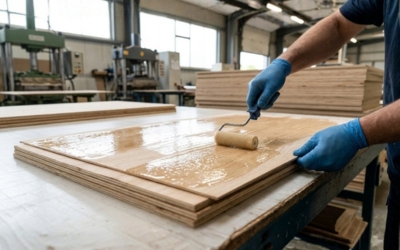
Bonding Resins in Plywood – What You Need to Know Plywood is widely used in furniture, construction, and interior design because of its strength and durability. However, one important factor that determines the performance of plywood is the bonding resin used during manufacturing. Bonding resins help hold multiple layers of plywood together, ensuring stability, structural strength, and long-term performance. For builders, architects, and homeowners in cities like Chennai, Bengaluru, Mumbai, and Delhi, understanding bonding resins in plywood can help in selecting the right material for furniture and interior projects. Different types of bonding resins provide different levels of moisture resistance, durability, and performance, which makes this factor crucial when choosing plywood for specific environments. Quick Answer Bonding resins in plywood are adhesives used to join layers together, determining the plywood’s strength, durability, and resistance to moisture. Why Bonding Resins Are Important in Plywood The performance of plywood depends largely on how strongly its layers are bonded. Bonding resins ensure that plywood layers remain tightly connected even under pressure, humidity, and long-term usage. Without proper bonding, plywood layers may separate, which can reduce structural stability and durability. High-quality bonding resins help plywood maintain its shape and strength even when used in demanding interior environments. Modern plywood manufacturing uses advanced bonding technology to improve reliability and increase the lifespan of furniture and structural components. Common Types of Bonding Resins Used in Plywood Different bonding resins are used depending on the intended application of plywood. Each type provides a specific level of durability and resistance. Bonding Resin Type Key Benefit Common Application Urea-based bonding Suitable for interior use Furniture and cabinets Phenolic bonding High moisture resistance Kitchen and utility areas Melamine bonding Improved durability Interior panels and furniture These bonding systems play a major role in determining how plywood performs in different environments. Interior Application Bonding For interior furniture such as wardrobes, shelves, and cabinets, plywood is usually used with bonding systems designed for dry conditions. These bonding resins provide strong adhesion and reliable performance for everyday furniture. This type of plywood is commonly used in residential interiors and office furniture where exposure to moisture is minimal. Moisture-Resistant Bonding Certain bonding systems are designed to resist humidity and occasional moisture exposure. These are commonly used in kitchen cabinets, bathroom storage units, and other interior spaces where humidity levels may fluctuate. Using plywood with appropriate bonding technology helps prevent layer separation and improves durability in such environments. High-Durability Bonding For demanding applications where plywood must handle high stress or continuous usage, stronger bonding systems are used. These bonding methods provide enhanced structural stability and help plywood maintain long-term performance. Such plywood is often selected for commercial interiors, heavy furniture structures, and large furniture systems. Advantages of High-Quality Bonding in Plywood High-quality bonding resins provide several benefits: Improved structural strength Better resistance to humidity Increased durability for furniture Reduced risk of layer separation Longer lifespan for interior structures These advantages make bonding technology one of the most important aspects of plywood manufacturing. How to Identify Good Bonding Quality in Plywood When selecting plywood for furniture or interiors, consider the following indicators of bonding quality: Surface stability – Layers should appear well-bonded without visible separation.Consistency – The plywood sheet should maintain uniform structure.Durability performance – High-quality plywood resists damage under regular usage.Reliable manufacturing standards – Trusted manufacturers maintain consistent bonding quality. By focusing on bonding quality, buyers can ensure that plywood performs reliably in both residential and commercial environments. Conclusion Bonding resins are one of the most important components in plywood manufacturing. They determine how well the layers remain connected and how effectively the plywood performs under different conditions. Whether used for furniture, interior panels, or storage systems, strong bonding ensures durability and long-term stability. Understanding the role of bonding resins helps architects, contractors, and homeowners select the right plywood for their projects. Choosing high-quality plywood from reliable manufacturers also improves performance and longevity in modern interiors. Brands such as SomaniPLy continue to provide dependable plywood solutions designed to meet the durability and performance needs of contemporary furniture and interior applications. Frequently Asked Questions 1.What are bonding resins in plywood? Bonding resins are adhesives used to hold multiple layers of plywood together. 2.Why are bonding resins important in plywood? Bonding resins ensure plywood layers stay strongly connected and maintain structural durability. 3.Which bonding resin is used for interior plywood? Urea-based bonding is commonly used for plywood designed for interior furniture applications. 4.Do bonding resins affect plywood durability? Yes, bonding resins directly influence the strength, moisture resistance, and lifespan of plywood. 5.Can bonding quality impact plywood performance? Yes, strong bonding prevents layer separation and improves overall plywood stability. 6.How can I choose plywood with good bonding quality? Choose plywood from trusted manufacturers that follow reliable bonding and manufacturing standards. Continue with how plywood is made and calibrated vs standard plywood.
Calibrated Plywood vs Standard Plywood: Pros & Cons
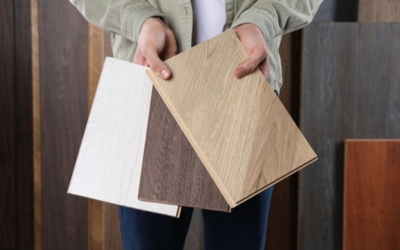
Calibrated Plywood vs Standard Plywood: Pros & Cons Choosing the right plywood is essential for achieving durable and well-finished furniture and interior structures. In construction and interior projects, two commonly used types are calibrated plywood and standard plywood. While both options serve similar purposes, they differ in thickness accuracy, surface finish, and installation convenience. Understanding the advantages and limitations of each plywood type helps designers, contractors, and homeowners select the most suitable material for their projects. In modern interiors across cities like Mumbai, Chennai, Bengaluru, and Delhi, furniture production increasingly focuses on precision and uniform finishing. This is where calibrated plywood has gained popularity. However, standard plywood continues to remain a widely used option for many interior and structural applications. Quick Answer Calibrated plywood is machine-finished for uniform thickness and smoother surfaces, while standard plywood may have slight thickness variations and is commonly used for general furniture and interior applications. Key Differences Between Calibrated Plywood and Standard Plywood Feature Calibrated Plywood Standard Plywood Thickness Accuracy Highly uniform thickness May have slight variations Surface Finish Smooth and even surface May require additional finishing Installation Easier installation due to precision Requires adjustment during installation Furniture Quality Ideal for modular furniture Suitable for general furniture Cost Slightly higher due to processing Usually more affordable Thickness Accuracy The most important advantage of calibrated plywood is its uniform thickness. During manufacturing, plywood sheets are processed through advanced calibration machines that ensure consistent thickness across the entire panel. This precision makes calibrated plywood highly suitable for modular furniture and modern interior systems. Standard plywood may have minor thickness variations across the sheet. While these differences are usually small, they can sometimes affect the alignment of furniture panels during installation. Surface Smoothness Calibrated plywood offers a smooth and even surface, making it easier to apply laminates and decorative finishes. Because the surface is already machine-finished, it reduces the need for additional leveling or preparation during furniture production. Standard plywood surfaces may require extra finishing before laminates or coatings are applied. This can slightly increase the time required for furniture manufacturing. Furniture and Interior Applications Calibrated plywood is commonly used in applications where precision and clean finishing are important. Examples include: Modular kitchen furniture Wardrobes and storage systems Office furniture Interior wall panels Cabinet structures Standard plywood is widely used for: Interior furniture Storage cabinets Shelving units Interior partitions General furniture structures Both types of plywood remain useful depending on the design requirements and budget considerations of a project. Installation Efficiency Because calibrated plywood maintains consistent thickness, it simplifies the furniture assembly process. Panels align accurately, reducing installation adjustments and improving overall finishing quality. Standard plywood may require small adjustments during installation because of slight thickness variations. Skilled carpenters can still achieve excellent results, but the process may take additional time. Cost vs Value Calibrated plywood typically costs slightly more than standard plywood due to its additional machine processing. However, the higher cost often results in improved finishing quality and faster furniture installation. Standard plywood remains a cost-effective solution for many interior projects where perfect thickness uniformity is not a critical requirement. Cost and Practical Use Flexi Grade plywood can sometimes cost slightly more than regular plywood because of its specialized manufacturing process. However, it offers significant value when designing curved interiors or custom furniture. Regular plywood remains a practical and cost-effective choice for most indoor furniture projects where straight surfaces are required. Selecting the right plywood based on design requirements ensures better results and reduces unnecessary material waste. How to Choose the Right Plywood Before selecting plywood for furniture or interior structures, consider the following factors: Furniture Precision – Modular furniture often requires uniform plywood thickness.Surface Finish – Smooth plywood surfaces help achieve better laminate finishing.Project Budget – Standard plywood can be more economical for general interiors.Installation Speed – Calibrated plywood can reduce installation time. Selecting the right plywood type ensures better durability, improved finishing, and efficient furniture production. Conclusion Calibrated plywood and standard plywood both play important roles in modern interior construction. Calibrated plywood offers better thickness accuracy, smoother surfaces, and easier installation, making it ideal for modular furniture and precision-based interior designs. Standard plywood, on the other hand, remains a practical choice for general furniture applications where slight thickness variations are acceptable. Understanding the pros and cons of each plywood type helps architects, designers, and homeowners choose the best solution for their interior needs. Choosing high-quality plywood from reliable manufacturers can also ensure durability, consistent performance, and long-lasting furniture structures. Brands such as SomaniPLy continue to provide dependable plywood options suitable for a wide range of interior and furniture applications. Frequently Asked Questions 1.What is calibrated plywood? Calibrated plywood is plywood that has a uniform thickness achieved through precision machine processing. 2.What is standard plywood? Standard plywood is regular plywood that may have slight thickness variations across the sheet. 3.Why is calibrated plywood used in modular furniture? Calibrated plywood is used because its uniform thickness ensures accurate panel alignment and smoother finishing. 4.Is calibrated plywood stronger than standard plywood? Both plywood types provide strength, but calibrated plywood offers better precision and finishing quality. 5.Is standard plywood suitable for furniture? Yes, standard plywood is widely used for cabinets, partitions, and general interior furniture. 6.Which plywood is better for modern interiors? Calibrated plywood is often preferred for modern interiors because it provides consistent thickness and smoother surfaces. Also read bonding resins in plywood and explore SomaniPly plywood.
How Flexi Grade Plywood Is Different from Regular Plywood?
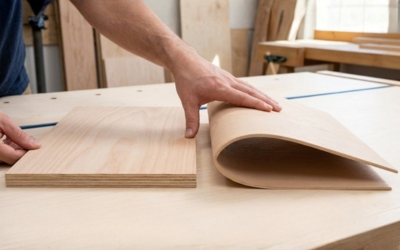
How Flexi Grade Plywood Is Different from Regular Plywood? When choosing the right plywood for furniture and interior projects, many people come across the term Flexi Grade plywood. At first glance, both Flexi Grade plywood and regular plywood may look similar, but their structure, flexibility, and applications make them very different. Understanding these differences helps architects, interior designers, and homeowners select the right plywood for creative and functional interior spaces. In modern interior design, curved structures and unique furniture designs are becoming increasingly popular. Designers often require a material that can bend smoothly without cracking while still maintaining strength. This is where Flexi Grade plywood becomes useful. Many professionals today prefer reliable manufacturers such as SomaniPly, known for producing high-quality plywood solutions suitable for both creative interiors and durable furniture. Quick Answer Flexi Grade plywood is specially manufactured to bend easily for curved furniture and interior designs, while regular plywood is rigid and primarily used for flat furniture surfaces and structural applications. Key Differences Between Flexi Grade Plywood and Regular Plywood Feature Flexi Grade Plywood Regular Plywood Flexibility Highly flexible and can bend easily Mostly rigid and difficult to bend Design Capability Ideal for curved and creative designs Best for flat surfaces Applications Curved furniture, arches, panels Cabinets, wardrobes, partitions Risk of Cracking Low when bending High if forced to bend Installation Requires shaping during installation Simple straight installation Design Value Used for modern interiors Used for standard furniture Flexibility and Design Possibilities The biggest difference between Flexi Grade plywood and regular plywood is flexibility. Flexi Grade plywood is designed in a way that allows it to bend smoothly along a particular direction. This makes it perfect for creating curved furniture, rounded walls, reception desks, and decorative interior elements. Regular plywood, however, is designed for strength and flat applications. It works well for cabinets, wardrobes, and partitions, but it cannot bend easily. If regular plywood is forced to bend, it may crack or break. Because of its flexibility, Flexi Grade plywood allows designers to experiment with creative interior concepts that are not possible with standard plywood. Manufacturing Structure Flexi Grade plywood is manufactured with layers arranged to allow bending without damaging the sheet. The internal structure supports flexibility while maintaining stability during installation. Regular plywood uses cross-layered sheets designed to provide strength and rigidity. This structure makes it suitable for flat furniture and structural applications, but limits its ability to bend. Due to this difference in manufacturing approach, each plywood type serves a different purpose in furniture design and construction. Applications in Modern Interiors Flexi Grade plywood is widely used in projects where curved surfaces are required. Some common applications include: Curved reception desks Decorative wall panels Arches and round partitions Designer furniture pieces Exhibition display structures Regular plywood is generally used for: Cabinets and wardrobes Storage furniture Wall partitions Shelving units Interior furniture structures Many interior professionals choose trusted manufacturers such as SomaniPly because consistent quality plays a crucial role in achieving smooth bending and durable furniture structures. Durability and Performance Although Flexi Grade plywood is flexible, it still provides strong performance when installed correctly. It is usually fixed onto a supporting structure that holds the curved shape securely. Regular plywood offers excellent durability for flat furniture and interior applications. However, it is not suitable for projects that require bending or shaping. Choosing the correct plywood type ensures better performance and helps avoid damage during installation. How to Know If a Plywood Supplier Is Genuine? To ensure you’re dealing with genuine plywood suppliers, verify: Business registration GST invoice Manufacturer authorization Market reputation Years of experience Reputable plywood manufacturers in India often provide documentation, warranty, and proper labeling. Cost and Practical Use Flexi Grade plywood can sometimes cost slightly more than regular plywood because of its specialized manufacturing process. However, it offers significant value when designing curved interiors or custom furniture. Regular plywood remains a practical and cost-effective choice for most indoor furniture projects where straight surfaces are required. Selecting the right plywood based on design requirements ensures better results and reduces unnecessary material waste. How to Choose the Right Plywood Before selecting plywood for your project, consider the following factors: Design Requirement – Curved structures require flexible plywood.Application – Furniture, partitions, or decorative elements may require different plywood types.Durability – High-quality plywood ensures longer performance.Budget – Choose plywood that balances cost and functionality. For curved interiors and creative furniture, Flexi Grade plywood is the best choice, while regular plywood works well for standard furniture applications. Conclusion The main difference between Flexi Grade plywood and regular plywood lies in flexibility, application, and manufacturing structure. Flexi Grade plywood is specially designed to bend smoothly, making it ideal for curved furniture, decorative panels, and modern interior concepts. Regular plywood remains a reliable option for flat furniture surfaces such as cabinets, wardrobes, and partitions. Understanding these differences helps designers, builders, and homeowners select the right plywood for their projects. Choosing a trusted manufacturer such as SomaniPly also ensures consistent quality, durability, and long-term performance in modern interior spaces. Frequently Asked Questions 1.What is Flexi Grade plywood used for? Flexi Grade plywood is mainly used for curved furniture, arches, decorative panels, and creative interior designs that require bending. 2.Can Flexi Grade plywood be used for normal furniture? Yes, Flexi Grade plywood can be used for furniture, but it is mostly preferred for curved or designer furniture structures. 3. Is Flexi Grade plywood strong for interior applications? Yes, Flexi Grade plywood provides good strength and stability when installed properly on a supporting structure. 4.What is the main difference between Flexi Grade plywood and regular plywood? Flexi Grade plywood is flexible and suitable for curved designs, while regular plywood is rigid and used for flat furniture. 5.Does Flexi Grade plywood require special installation? Yes, Flexi Grade plywood usually requires careful bending and fixing on a frame to achieve the desired curved shape. 6.How do I choose high-quality Flexi Grade plywood? Choose plywood with smooth bending quality, good surface finish, and reliable manufacturing standards from trusted
Top Questions to Ask Your Plywood Supplier Before Purchasing

Top Questions to Ask Your Plywood Supplier Before Purchasing When it comes to buying plywood products in India, choosing the right material is important but choosing the right supplier is even more critical. With rising demand for plywood for interiors, MDF, HDF, and engineered boards, the Indian market has become highly competitive. Unfortunately, not every dealer maintains proper plywood quality standards. Asking the right questions to ask before buying plywood can protect your investment and ensure long-lasting results. This guide will help homeowners, architects, builders, and dealers understand what to ask a plywood supplier, how to check authenticity, and how to avoid low quality plywood products. Also read common mistakes when buying plywood in India, our certificates, and technical specifications. Why Choosing the Right Plywood Supplier Matters The durability of plywood products depends not just on the material but also on: Manufacturing standards Storage conditions Certification compliance Transparency in pricing Climate suitability Poor supplier selection can reduce the durability of plywood products by up to 40%, especially in humid regions of India. What Plywood Grades Do You Offer? Understanding plywood grades MR BWR and BWP is essential. Grade Water Resistance Best Use MR Moisture Resistant Bedrooms BWR Boiling Water Resistant Kitchens BWP Waterproof Kitchens, Bathrooms & Coastal Areas If you’re unsure what questions you should ask a plywood supplier, always clarify grade suitability for your city’s climate. Are the Products Termite & Moisture Resistant? India’s climate demands protection. Ask your supplier: Is this termite-resistant plywood? Are these moisture-resistant plywood boards? Is it suitable for humid cities like Mumbai or Chennai? Proper treatment improves lifespan by nearly 30%. Are the Sheets Calibrated? Modern interiors require precision. Calibrated plywood sheets ensure: Uniform thickness Better laminate finish Reduced carpenter rework Non-calibrated sheets may vary by 1–2 mm, affecting quality. What Other plywood Products Do You Supply? A reliable supplier should offer varieties of plywood for your selection from: MDF boards for furniture HDF board for construction Engineered wood products Waterproof plywood Plywood for interiors This indicates better inventory management and specialization. How Do You Ensure Quality? To understand how to check plywood quality before buying, ask: What raw materials are used? Is a hardwood core used? What adhesive type is applied? Are products tested for bonding strength? Conduct a quick plywood quality check: Inspect core layers Check for gaps Confirm thickness Tap test for solid sound How to Know If a Plywood Supplier Is Genuine? To ensure you’re dealing with genuine plywood suppliers, verify: Business registration GST invoice Manufacturer authorization Market reputation Years of experience Reputable plywood manufacturers in India often provide documentation, warranty, and proper labeling. Fake vs Genuine Supplier – Quick Comparison Factor Genuine Supplier Risky Supplier Product Range Offers MDF, HDF, Plywood Limited options Transparency Clear pricing & invoice Cash-only deals Warranty Written warranty No warranty Reputation Established presence Unknown background Step-by-Step Supplier Selection Flow Step 1 → Research online reviews Step 2 → Compare plywood grades Step 3 → Inspect product physically Step 4 → Confirm warranty & invoice Step 5 → Evaluate market credibility Following this process reduces risk by over 70%. How to Choose the Right plywood Supplier in India When evaluating how to choose the right plywood supplier, consider: Experience in export or domestic markets Compliance with Indian standards Climate-specific recommendations Wide product range Customer testimonials Suppliers serving export markets usually follow stricter manufacturing processes and quality checks. Companies like SomaniPly, associated with the export plywood industry, focus on high bonding strength, calibrated boards, and climate ready materials suitable for Indian homes and international standards. Final Thoughts Selecting the right material is only half the job selecting the right supplier ensures quality, durability, and long-term value. Before finalizing your purchase: Compare plywood grades MR, BWR, BWP Confirm termite & moisture resistance Inspect calibrated plywood sheets Check supplier credibility A structured plywood products buying guide protects your interiors and reduces replacement costs. For buyers seeking reliable materials backed by export-grade manufacturing and strong quality control, companies like SomaniPly offer dependable solutions aligned with Indian climate conditions and global standards. Frequently Asked Questions 1.What questions should I ask a plywood supplier? Ask about grade (MR/BWR/BWP), termite treatment, thickness, warranty, and climate suitability. 2.How to avoid low-quality plywood products? Verify certification, inspect core layers, check thickness accuracy, and purchase from reputed suppliers. 3.How to check plywood quality before buying? Look for uniform layers, accurate thickness, termite resistance, and warranty documentation. 4.How to choose a plywood supplier in India? Choose certified suppliers with transparent documentation, a wide product range, and a strong market reputation.
How to Avoid Low Quality Plywood Products in the Indian Market
How to Avoid Low Quality Plywood Products in the Indian Market The Indian Plywood market is growing rapidly due to rising demand for modular kitchens, wardrobes, office interiors, and premium furniture. However, along with growth comes a serious issue: Low Quality Plywood products in India. From duplicate plywood in India to low-grade engineered boards sold as premium material, many buyers unknowingly invest in products that last only 2–3 years instead of 15–20 years. If you’re planning to buy Plywood products for Indian homes, this detailed Plywood buying guide for India will help you understand what Low Quality Plywood products are, how to identify genuine Plywood, and how to avoid duplicate Plywood in the Indian market. What Are Low Quality Plywood Products? Low Quality Plywood products are materials that are: Sold without proper certification Mislabelled as a higher grade (e.g., MR sold as BWR) Manufactured using low-quality core fillers These low-quality Plywood products often fail under Indian climate conditions, especially in humid cities like Mumbai and Chennai. Why Low Quality Plywood Products Are a Growing Problem in India According to industry estimates, nearly 20-30% of plywood sold in local markets may not fully comply with Indian plywood standards. Common risks include: Swelling during the monsoon Weak bonding Termite damage Reduced load capacity This makes Plywood product authenticity extremely important for homeowners, builders, and architects. Low Quality Plywood vs Original Plywood – Key Differences Understanding low quality plywood vs original plywood can save you thousands of rupees in future repairs. Feature Original Plywood Fake / Duplicate Plywood Core Layers Uniform & gap-free Visible gaps & fillers Thickness Accurate (Calibrated) Uneven Termite Treatment Certified Often untreated Lifespan 10–25 years 2–5 years Warranty Provided Rarely available Saving ₹10–20 per sq ft today can cost 2X more in replacements later. How to Identify Genuine Plywood If you’re wondering how to identify genuine plywood, follow this checklist: Inspect the Core Material To understand how to identify fake plywood, examine: Cross-section layers No overlapping patches No core gaps Even bonding Genuine products use hard plywood cores for better durability. Check for Calibrated Plywood Sheets Modern interiors require precision. Calibrated plywood sheets ensure: Uniform thickness Better laminate finish Reduced carpenter rework Duplicate plywood often lacks thickness consistency. Verify Waterproof & Termite Properties Ask: Is it termite-resistant plywood? Does it meet waterproof plywood quality standards? In India’s humid climate, untreated boards may swell within months. Pair this with supplier questions, certificates, and choosing a manufacturer in Bangalore. Engineered Plywood vs Low Quality Plywood Many buyers confuse genuine engineered boards with cheap imitations. Feature Engineered Plywood (Quality) Low Quality Engineered Plywood Density High & uniform Uneven Surface Finish Smooth Rough patches Durability 8–15 years 3–5 years Moisture Resistance Moderate Low Always purchase from trusted plywood manufacturers in India. How to Avoid Low Quality Plywood – Step-by-Step Guide Step 1 → Buy from authorized dealers Step 2 → Inspect thickness & core layers Step 3 → Check grade (MR/BWR/BWP) Step 4 → Ask for invoice Step 5 → Compare market reputation Following this process reduces risk by over 70%. How Climate Increases the Risk of Low Quality Products Cities like: Mumbai & Chennai → High humidity Delhi & Jaipur → Extreme temperature Guwahati & Kolkata → Heavy rainfall Low-grade plywood fails faster in such climates. That’s why following an interior Plywood buying guide in India is critical. How to Know If Plywood Is Original – Quick Quality Check Before purchasing, perform this Plywood product quality check: Check weight (original plywood feels solid) Tap test (solid sound, not hollow) Check for sharp edges & clean finish Look for a uniform branding stamp These small checks ensure long-term reliability. Why Choosing Trusted Manufacturers Matters Reputed brands maintain strict quality control, especially those involved in export markets. Export-driven manufacturers follow higher bonding standards, better seasoning processes, and advanced treatment methods. Companies like Somani Ply, active in the export Plywood industry, ensures calibrated manufacturing, and durability standards suitable for Plywood products for Indian homes. Choosing reliable brands reduces long-term maintenance costs significantly. Final Thoughts The presence of low quality plywood products in India makes careful inspection essential. Before purchasing: Inspect core & thickness Check the waterproof plywood quality Confirm termite-resistant treatment Buy from trusted plywood manufacturers in India A structured Plywood buying guide in India protects your investment and ensures long-lasting interiors. For consistent quality, export-level compliance, and durable solutions designed for Indian conditions, manufacturers like SomaniPly offer reliable products backed by strong production standards. Frequently Asked Questions 1.How to identify original Plywood products in India? Check core layers, thickness accuracy, and warranty documentation. 2.How to avoid duplicate plywood in India? Buy from authorized dealers, inspect core layers, and avoid unusually cheap products. 3.How to check original Plywood products before buying? Perform physical inspection, check calibration, and request invoice with brand details.
How to Choose the Right Plywood for Indian Climate Conditions

How to Choose the Right Plywood for Indian Climate Conditions India’s climate is diverse, from humid coastal cities like Mumbai and Chennai to extreme heat in Delhi and Rajasthan, and heavy rainfall in Guwahati and Kerala. This variation directly impacts furniture durability. Choosing the right plywood for the Indian climate is essential to ensure long-lasting interiors. Poor selection can reduce furniture lifespan by 30-50% due to swelling, delamination, and termite damage. This detailed plywood buying guide for India will help you understand which plywood is best for the Indian climate, how climate affects plywood durability, and what to check before making a purchase. See plywood across climates, BWR / BWP grade plywood, and MR grade plywood. How Climate Affects Plywood Durability Many homeowners ignore one key factor: how the climate affects plywood durability. Common Climate Challenges in India: High Humidity → Swelling & fungal growth Coastal Moisture → Salt exposure damage Extreme Heat → Warping & cracks Heavy Monsoons → Adhesive weakening That’s why choosing plywood for Indian conditions requires understanding grade, thickness, and treatment. Plywood Grades Explained in India Understanding plywood grades explained in India is the first step. Difference Between MR, BWR, and BWP Plywood Grade Water Resistance Best Use MR (Moisture Resistant) Low Bedrooms, indoor furniture BWR (Boiling Water Reactor) Moderate Kitchens BWP (Boiling Water Proof / Marine) High Kitchens, Bathrooms, coastal homes If you’re wondering, MR vs BWR plywood – which is better? BWR offers better water resistance, while BWP is ideal for heavy moisture exposure. Which Plywood is Best for the Indian Climate? The answer depends on location: 1.Which plywood is best for coastal regions? Choose BWP or Marine Grade waterproof plywood India (IS:710). Coastal humidity and salt exposure demand higher bonding strength. 2.What plywood should be used in humid areas? Use moisture-resistant plywood like BWR or BWP to prevent swelling. 3.Is waterproof plywood necessary in India? Yes, especially for kitchens, bathrooms, and ground-floor homes. Waterproof plywood improves durability by up to nearly 40% in humid conditions. Best Plywood for Indian Homes – Based on Usage Plywood for Kitchens and Bathrooms For kitchens and bathrooms, choose BWP grade for wet zones and BWR grade for moderately moisture-prone areas. Ensure termite-resistant plywood Check for calibrated plywood sheets Plywood for Bedrooms & Living Areas MR grade works in dry conditions Upgrade to BWR for long-term safety Plywood Thickness Guide India Choosing the correct thickness is critical for strength. Application Recommended Thickness Back panels 12mm Wardrobes 16–18mm Kitchen cabinets 18–19mm Beds & heavy furniture 19mm+ Using thinner sheets for heavy loads reduces structural life significantly. Long Lasting Plywood – What to Look For If you are searching for what plywood lasts longer in Indian weather, check these 5 factors: High-bonding-strength adhesives Uniform core layers (no gaps) Calibrated plywood sheets for accuracy Proper termite & borer treatment High-quality, durable plywood for the Indian climate can last 15–30 years with proper installation. Plywood Selection for Indian Weather – Quick Flow Guide Step 1 → Identify your city climate (humid/dry/coastal) Step 2 → Select grade (MR/BWR/BWP) Step 3 → Confirm thickness as per usage Step 4 → Verify termite treatment Step 5 → Buy from a trusted manufacturer Following this reduces the risk of premature damage by over 70%. Termite-Resistant Plywood – A Must in India Termites account for nearly 30% of wood damage cases in Indian homes. Choose: Chemically treated plywood Warranty-backed products Reputed plywood manufacturers This is especially important in humid and ground-contact installations. Moisture-Resistant Plywood vs Waterproof Plywood in India Feature Moisture Resistant (MR) Waterproof (BWP) Water Exposure Limited High Suitable For Indoor furniture Kitchens, bathrooms Cost Affordable Higher Climate Suitability Dry regions Humid & coastal Understanding this difference helps in smarter plywood selection for the Indian weather. Engineered Precision Matters Modern interiors require calibrated plywood sheets to ensure: Even thickness Better laminate bonding Reduced carpenter errors Improved finish Export-focused companies maintain tighter quality control standards. Brands like SomaniPly, active in the export wood industry, emphasize precision manufacturing, moisture resistance, and climate-ready treatment, making them suitable for plywood for Indian homes across diverse weather conditions. Frequently Asked Questions 1.Which plywood is best for the Indian climate? BWR plywood is suitable for most homes, while BWP grade is best for humid and coastal regions. 2.Is waterproof plywood necessary in India? Yes, especially for kitchens, bathrooms, and cities with high humidity. 3.What plywood should be used in humid areas? Boiling Water Resistant (BWR) or Marine Grade (BWP) plywood is recommended.
Common Mistakes People Make While Buying Plywood in India
Common Mistakes People Make While Buying Plywood in India Buying plywood may look simple, but choosing the wrong type can lead to swelling, termite damage, bending, and costly replacements. In India, where humidity, heat, and termites are common challenges, selecting durable plywood for the Indian climate becomes even more important. If you’re planning interiors for your home or office, this detailed plywood buying guide in India will help you avoid the most common plywood buying mistakes and make a smarter decision. Why Choosing the Right Plywood Matters Plywood is the backbone of furniture, wardrobes, kitchen cabinets, and wall paneling. A poor selection can reduce furniture life by 30-40%, especially in coastal and high-humidity regions like Mumbai, Chennai, or Guwahati. Understanding how to choose good-quality plywood ensures: Longer furniture life Better load-bearing capacity Resistance to moisture and termites Cost savings in the long term Not Understanding Plywood Grades One of the biggest mistakes while choosing plywood is ignoring plywood grades. Plywood Grades Explained In India, plywood mainly comes in: MR (Moisture Resistant) – Suitable for indoor furniture BWR (Boiling Water Resistant) – Ideal for kitchens & semi-wet areas BWP (Boiling Water Proof / Marine Grade) – Best for heavy moisture exposure Difference Between MR and BWR Plywood Feature MR Plywood BWP Plywood Water Resistance Low Moderate to High Suitable For Bedroom furniture Kitchen cabinets Adhesive Used Urea-formaldehyde Phenol-formaldehyde Price Range Affordable Slightly Higher Many homeowners assume MR plywood is waterproof it is not. If you’re wondering, “Is waterproof plywood necessary?” the answer is YES for kitchens, bathrooms, and humid cities. Not Checking for Termite Resistance India accounts for nearly 30% furniture damage cases due to termites, especially in warm climates. Many buyers forget to ask: How to identify termite-resistant plywood? Check for: Chemical treatment certification Branded plywood with an anti-termite warranty Manufacturer guarantee (10–25 years) Choosing the Wrong Thickness The plywood thickness guide is often ignored. Standard Thickness Options: 6mm – Back panels 12mm – Lightweight furniture 16mm – Cabinets & wardrobes 19mm – Heavy furniture & beds Choosing thinner sheets for heavy loads leads to bending and sagging within 1–2 years. Not Comparing Wood Plywood vs Engineered Wood Many buyers get confused between wood plywood vs engineered wood (MDF, particle board, HDHMR). Best For Long-term furniture Budget interiors Temporary furniture Factor Plywood MDF Particle Board Strength High Medium Low Moisture Resistance Moderate–High Low Very Low Load Capacity Excellent Limited Poor If you’re asking, which plywood is best for furniture? For long–lasting Indian homes, Somaniply high-quality hardwood plywood is usually the safest investment. Ignoring Calibrated Plywood Sheets Modern interiors require precision. Calibrated plywood sheets ensure: Uniform thickness Better laminate finish Reduced carpenter rework Minimal wastage Uncalibrated sheets may vary in thickness by 1–2 mm, affecting finish quality. Not Checking Before Buying – A Quick Checklist Here’s a simple flow checklist for things to check before buying plywood: Step 1 → Confirm Grade (MR/BWR/BWP) Step 2 → Ask for Termite Warranty Step 3 → Verify Thickness Step 4 → Inspect Core Gaps Step 5 → Choose Calibrated Sheets Step 6 → Compare Brand Reputation This ensures you avoid major plywood buying mistakes. Buying Only Based on Price Price-driven decisions often compromise quality. Smart buyers evaluate: Brand trust Warranty Manufacturing standards Export quality Not Considering Local Climate India has diverse climatic zones: High humidity (Kerala, Assam) Extreme heat (Rajasthan) Coastal moisture (Mumbai, Chennai) Always choose durable plywood for the Indian climate, especially BWR or BWP grade in moisture-prone areas. Skipping Expert Consultation If you’re unsure about how to buy plywood for the home, consult: Interior designers Architects Trusted plywood dealers Professionals help match grade, thickness, and usage area. Avoid guesswork with questions to ask your plywood supplier, how to avoid low-quality plywood, and SomaniPly’s certificates. Conclusion Avoiding these common plywood buying mistakes can save you money, stress, and future repairs. The right plywood ensures strength, longevity, and a better interior finish. When selecting plywood in India, prioritize: Climate suitability Proper thickness Termite protection Trusted manufacturer FAQs 1.What to check before buying plywood? Check grade (MR/BWR/BWP), thickness, termite resistance, core gaps, and brand warranty. 2.Which plywood is best for furniture in India? BWR plywood is ideal for most home furniture, while BWP/Marine plywood is best for high-moisture areas. 3.Is waterproof plywood necessary for kitchen cabinets? Yes. Kitchens experience moisture and heat.BWP plywood ensures longer durability. 4.How to choose the right plywood for home interiors? Understand the usage area, climate, and load requirement before purchasing.
Eco-Friendly Fire Safety: Is FR Plywood Environmentally Sustainable?
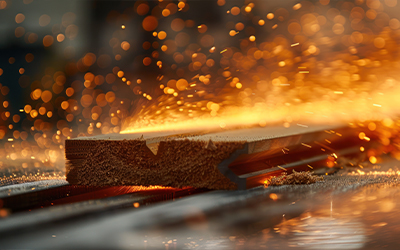
Eco-Friendly Fire Safety: Is FR Plywood Environmentally Sustainable? Introduction: Fire Safety Meets Sustainability The modern construction landscape is evolving. Architects, designers, and builders are increasingly seeking building materials that provide both fire safety and environmental responsibility. Fire-Retardant Plywood (FR plywood) has emerged as a key solution, offering enhanced fire protection without compromising the principles of eco-conscious design. With urban development expanding and green construction gaining momentum, the demand for eco-friendly plywood and other sustainable building solutions continues to grow. Understanding the environmental implications of fire-resistant plywood is crucial for informed material selection. What Is Fire-Retardant Plywood? Fire-Retardant Plywood is specially treated to resist ignition and slow the spread of flames. Unlike regular plywood, FR plywood undergoes a chemical treatment or lamination process that enhances its fire-resistant plywood properties. The manufacturing process typically involves impregnating wood veneers with fire-retardant chemicals before bonding them with adhesives. This makes FR plywood particularly suitable for applications in public spaces, offices, and eco-friendly homes where fire safety standards must meet regulatory requirements. The key difference between FR plywood and conventional plywood lies in its fire-retardant properties, which are achieved without compromising structural strength or aesthetic appeal. Explore SomaniPly fire retardant plywood and our certificates for compliance documentation. How Eco-Friendly Is FR Plywood? A common misconception is that chemical treatment automatically makes plywood environmentally harmful. Modern sustainable plywood manufacturers prioritize low-toxicity treatments and sustainable timber sources. Eco-friendly plywood is now produced using low-emission plywood adhesives and FR-grade plywood sustainability practices that reduce environmental impact. By sourcing timber from responsibly managed forests and using non-toxic fire-retardant chemicals, FR plywood can meet rigorous green building standards while maintaining fire safety. Use of Low-Emission Resins and Sustainable Timber FR plywood production often employs adhesives that comply with strict formaldehyde emission regulations. These environmentally safe building materials contribute to healthier indoor air quality. Additionally, using timber certified under programs like FSC ensures forests are not depleted unsustainably. Role of Non-Toxic Fire-Retardant Chemicals Advancements in green construction materials have enabled manufacturers to replace highly toxic flame retardants with safer alternatives. These chemicals maintain the fire-resistant plywood characteristics while minimizing long-term environmental impact. Applications in Green Construction and Interior Design Fire-resistant plywood is versatile and used in diverse construction and interior applications: Schools and educational institutions Offices and commercial interiors Eco-friendly homes and apartments Public spaces requiring fire safety compliance The Future of Sustainable Fire Safety Materials The future promises further innovations in eco-friendly plywood and fire-retardant plywood technology. Research into bio-based fire retardants and renewable adhesives is expanding, allowing manufacturers to develop materials with minimal environmental impact. Integration with modern interior design materials and smart construction practices ensures that FR plywood continues to meet evolving aesthetic, safety, and sustainability standards. As awareness grows, the industry is likely to shift toward carbon-neutral production, reducing the ecological footprint of green construction materials globally. FAQ’s 1. What is FR plywood? FR plywood is fire-retardant plywood treated to resist ignition and slow flame spread, suitable for applications requiring fire safety. 2. Is FR plywood environmentally safe? Yes, modern FR plywood uses low-emission plywood adhesives, non-toxic chemicals, and timber from sustainable sources, making it a form of eco-friendly plywood.