
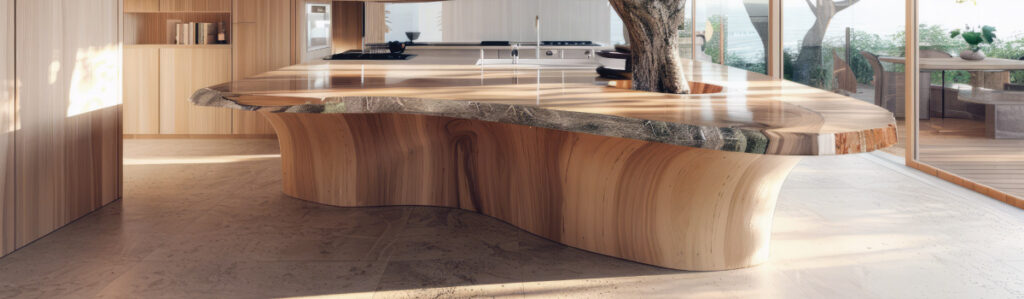
Modern interiors are no longer built around straight lines and sharp corners alone. Curves, fluid forms, and continuous surfaces are becoming central to contemporary design. From rounded walls to curved furniture and flowing partitions, the goal is to create spaces that feel natural, connected, and visually smooth.
This is where flexi grade plywood changes the game. It allows designers and architects to move beyond rigid structures and bring seamless interior concepts to life—without compromising on strength or practicality.
What Makes Flexi Grade Plywood Different
Flexi grade plywood is engineered to bend without breaking. Unlike standard plywood, which resists curvature, flexi plywood is designed with a structure that allows easy shaping into curves and waves.
This flexibility enables:
- Smooth curved surfaces
- Continuous design flow
- Custom shapes without joints
- Creative freedom in interiors
Instead of forcing design to fit the material, flexi plywood allows the material to adapt to the design.
Why Seamless Interiors Are in Demand
There is a clear shift in interior design preferences. Straight, boxy layouts are being replaced by softer, more organic forms.
Seamless interiors offer:
- Better visual flow across spaces
- Fewer visible joints and breaks
- A premium, modern aesthetic
- Improved space perception
Curved elements make rooms feel larger, more fluid, and less cluttered. This is especially valuable in urban homes where space optimization is important.
How Flexi Plywood Enables Curved Design
Continuous Wall Panels
Flexi plywood allows walls to transition smoothly from one section to another without harsh edges. This creates a more cohesive and elegant look.
Curved Furniture
Reception desks, TV units, shelves, and sofas can be designed with rounded edges, giving interiors a softer and more refined appearance.
Designer Ceilings
False ceilings with waves, arcs, and layered curves are easier to execute with flexi plywood. It allows designers to experiment without structural limitations.
Partitions and Feature Elements
Curved partitions help divide spaces without making them feel closed or rigid. They maintain openness while adding visual interest.
Design Advantages That Go Beyond Looks
Flexi grade plywood is not just about aesthetics. It also improves how spaces function and feel.
Curved edges reduce sharp corners, making interiors safer, especially in homes with children. Smooth transitions improve movement within the space. Seamless designs also reduce dust accumulation in joints and corners, making maintenance easier.
These practical benefits make flexi plywood a smart choice, not just a creative one.
Precision and Finish Quality
One of the key advantages of using flexi plywood is the ability to achieve a high-quality finish.
Because it bends smoothly, it allows:
- Better laminate and veneer application
- Uniform surface finish
- Cleaner edges without cracking
- Minimal need for joints or fillers
This results in interiors that look more polished and professionally executed.
Where Flexi Plywood Works Best
Flexi grade plywood is increasingly being used in both residential and commercial interiors.
In homes, it is popular for:
- Living room feature walls
- Curved TV units
- Bedroom headboards
- Modular furniture accents
In commercial spaces, it is widely used in:
- Office reception areas
- Retail displays
- Hospitality interiors
- Cafés and restaurants
These spaces benefit from the ability to create unique, memorable designs.
Flexi vs Regular Plywood: A Practical Comparison
| Feature | Flexi Grade Plywood | Regular Plywood |
| Bending Ability | High | Very limited |
| Design Flexibility | Excellent | Restricted |
| Surface Finish | Smooth on curves | Not suitable for curves |
| Joint Visibility | Minimal | More visible |
| Ideal Use | Curved designs | Flat surfaces |
This comparison clearly shows why flexi plywood is essential for modern, design-focused interiors.
Execution Matters as Much as Material
While flexi plywood offers great potential, achieving seamless interiors depends on proper execution.
Skilled carpentry ensures that curves are smooth and consistent. Correct layering techniques improve strength. Proper finishing enhances the final look.
Without the right application, even the best material cannot deliver the desired outcome.
The Role of Reliable Materials
Consistency in plywood quality becomes even more important when working with curved designs. Uneven flexibility or weak bonding can lead to cracks or surface issues.
Manufacturers like SomaniPly offer flexi grade plywood designed for smooth bending and reliable performance, helping designers achieve precise and durable results.
The Future of Interior Design Is Fluid
Design is moving toward spaces that feel natural rather than constructed. Straight lines are giving way to curves, and rigid layouts are being replaced by flowing concepts.
Flexi grade plywood plays a key role in this transformation. It gives designers the ability to create interiors that are not only visually striking but also more comfortable and functional.
Final Thoughts
Seamless interiors are no longer limited to luxury projects. With materials like flexi grade plywood, they are becoming more accessible and practical across different types of spaces.
Whether it is a modern home, a retail outlet, or an office, the ability to create smooth, continuous designs adds significant value to the overall experience.
For anyone looking to move beyond conventional interiors, flexi plywood offers both creative freedom and reliable performance—making it an essential material in contemporary design.
FAQs
What is flexi grade plywood used for?
It is used for creating curved surfaces like walls, furniture, ceilings, and partitions.
Can flexi plywood replace regular plywood?
No. It is best used for curved designs, while regular plywood is still needed for flat structural surfaces.
Is flexi plywood strong?
Yes, when used correctly and supported properly, it provides good strength along with flexibility.
Does flexi plywood crack when bent?
High-quality flexi plywood bends smoothly without cracking when handled properly.
Is it expensive compared to regular plywood?
It can be slightly more expensive, but it offers unique design possibilities that regular plywood cannot achieve.
Can laminates be applied on flexi plywood?
Yes. It supports laminates and veneers well, ensuring a smooth finish on curved surfaces.