
How to Choose the Best Plywood Manufacturer in Bangalore for Your Project
By SomaniPly | Last updated: October 2026 | Reading time: ~10 minutes Whether you are furnishing a home in Whitefield, fitting out an office in Electronic City or building formwork for a site on the city’s outskirts, the plywood manufacturer in Bangalore you choose decides how your project performs for the next decade. Plywood sits behind every modular kitchen, wardrobe and partition. When it fails, it fails slowly and expensively through delamination, warping and swelling. This guide gives you a practical framework for comparing suppliers on facts rather than brand noise. It draws on Indian plywood standards and on more than 20 years of manufacturing experience at SomaniPly. Short answer: how do you choose the best plywood manufacturer in Bangalore? Choose a manufacturer that (1) offers the exact grade your project needs, (2) shares verifiable certifications such as BIS, FSC, E1 and EPD along with technical specification sheets, (3) controls quality from veneer peeling to final finishing, (4) quotes transparently and lets you test samples from the lot you will receive, and (5) can supply and support your project locally. Check these five points before you compare prices. Figure 1: The 10-point checklist for choosing a plywood manufacturer in Bangalore. What Is a Plywood Manufacturer, and How Is It Different from a Dealer? A plywood manufacturer produces boards in its own plant: it sources logs, peels and dries veneers, bonds them with adhesive under heat and pressure, and finishes the sheets. A dealer or retailer sells boards made by others. For a large order or a commercial specification, the difference affects traceability, consistency and accountability. Factor Manufacturer Dealer / retailer Brand showroom Traceability Batch and process records available Depends on the source brand Usually traceable to the brand Customisation Thickness, size, face and bonding options on request Limited to stock Limited to catalogue Pricing Direct pricing, better for bulk orders Includes dealer margin Often includes showroom margin Technical support Direct access to quality and technical teams Basic product advice Brand-level support Best for Builders, contractors, furniture units, large projects Small repairs and one-off jobs Home buyers who want a retail experience 10 Factors to Evaluate Before Choosing a Plywood Manufacturer in Bangalore 1. Match the grade to your project The best manufacturer is useless if you buy the wrong grade. Bengaluru’s mild climate hides a real moisture challenge: heavy monsoon humidity, damp walls and wet kitchens. Pick the grade by exposure, not by habit. Grade Indian Standard Best for Avoid for MR (moisture resistant) IS 303 Wardrobes, lofts, bedroom furniture, dry interiors Kitchens, bathrooms, exterior use BWR (boiling water resistant) IS 303 Kitchen cabinets, humid rooms, semi-exterior joinery Permanent water exposure BWP (boiling water proof) IS 303 (2024 revision); IS 710 for marine Wet areas, demanding interiors, outdoor furniture Dry rooms where lower grades are enough Film-faced shuttering IS 4990 Concrete formwork, repeated reuse Furniture Fire retardant IS 5509 Hotels, hospitals, theatres, commercial buildings Standard residential joinery where not required Figure 3: Which plywood grade suits which space. Browse the full range on our plywood page, or go straight to MR grade plywood, BWR / BWP grade plywood, film faced shuttering plywood, fire retardant plywood and flexi grade plywood for curved designs. Also see how to choose the right plywood for Indian climate conditions. 2. Look for verifiable certifications Plywood is bonded with resin, so indoor air quality and responsible sourcing matter, especially in bedrooms and kitchens. A logo on a brochure is not proof. Ask to see the actual certificate, and check that it is current and covers the product you are buying. View SomaniPly’s certificates. Certification What it tells you BIS Conformity of the product to the relevant Indian Standard, published by the Bureau of Indian Standards. FSC Timber comes from forests managed to Forest Stewardship Council standards. E1 A low formaldehyde emission class, relevant to indoor air quality. Low VOC (environment-friendly) Adhesives and finishing with low volatile organic compound emissions. GreenPro An eco-label for products with a lower environmental impact. EPD An Environmental Product Declaration is a standardised report of life-cycle environmental impact, typically verified by an independent party. SomaniPly’s plywood carries these certifications: BIS, FSC, GreenPro, E1, EPD and Low VOC environment-friendly certification. Expect any manufacturer that makes sustainability claims to show you the matching documents. Figure 2: Certifications held by SomaniPly. 3. Ask for technical documents A manufacturer that stands behind its product will share paperwork readily. Request these before you place an order: Document What it tells you Technical specification sheet Grade, thickness range, sizes, bond type and tolerances. See SomaniPly’s product specifications. Certificates (BIS, FSC, E1, EPD and others) Current, verifiable proof of the claims a supplier makes. Test reports Results for the properties that matter for your grade, such as bond performance. Batch and lot details Lets you trace the sheets you receive back to production. Itemised quotation and GST invoice Confirms exactly what grade, thickness and quantity you are paying for. 4. Understand the process and quality control Quality is built in at every stage. A serious manufacturer will walk you through its process without hesitation, from log selection to final inspection. At SomaniPly, each stage from core veneer peeling and drying to hot pressing and finishing is checked to minimise waste and keep output consistent. Our logs come from FSC-certified forests and nearby renewable plantations. Figure 4: The six stages of plywood manufacturing. Ask any supplier these questions: Where do the logs come from, and how are they sourced? How are veneers dried, and how is moisture content checked? Which adhesive is used for each grade? What in-process and final QA/QC checks are carried out, and are records kept per batch? How is production waste managed and recycled? 5. Review product range and customisation A manufacturer with a wide range can supply your whole project from one source, which keeps colour, thickness and bonding consistent. Check whether they also offer the companion boards you may need, such as MDF boards, HDF/HDHMR, OSB particle board, birch grade plywood and prelaminated
Premium Plywood Manufacturer in Karnataka for Construction
Karnataka’s construction sector is expanding rapidly, with residential, commercial, and infrastructure projects growing across cities like Bangalore, Mysore, Mangalore, and Hubli. In modern construction, material selection plays a crucial role in ensuring structural strength, durability, and long-term performance. If you are looking for a premium plywood manufacturer in Karnataka for construction, choosing the right plywood is essential. It is widely used in shuttering, formwork, partitions, and interior structures, making it a key material in both structural and finishing stages. Why Plywood is Important in Construction Plywood is not limited to furniture and interiors. It plays a critical role in construction applications due to its strength, flexibility, and load-bearing capacity. In construction, plywood is commonly used for: Concrete shuttering and formwork Wall partitions and paneling False ceilings and structural frameworks Temporary structures and site usage High-quality plywood ensures better performance, reduces material failure, and improves construction efficiency. For broader grade guidance across Karnataka, see our guide to the best plywood manufacturer in Karnataka for homes & commercial. Key Benefits of Premium Plywood for Construction High Load-Bearing Strength Premium plywood can handle heavy loads, making it suitable for shuttering and structural applications. Moisture and Water Resistance Construction sites often involve exposure to water and humidity. BWP-grade plywood offers high resistance to moisture, ensuring durability. Reusability In shuttering applications, premium plywood can be reused multiple times, reducing overall project costs. Dimensional Stability Plywood maintains its shape under varying environmental conditions, ensuring consistency in construction work. Types of Plywood Used in Construction Shuttering Plywood Used for concrete formwork Designed to withstand heavy loads and pressure Can be reused multiple times BWP Grade Plywood (Boiling Water Proof) Suitable for high-moisture environments Ideal for construction and structural applications Commercial Plywood Used for basic applications like partitions and paneling Suitable for low-load environments Browse the full SomaniPly plywood range for construction and interior grades. Plywood Comparison Table for Construction Use Feature Commercial Plywood BWR Plywood BWP / Shuttering Plywood Water Resistance Low High Very High Load-Bearing Capacity Moderate High Very High Best Use Partitions Interiors Construction, shuttering Reusability Low Moderate High Durability Moderate High Very High Cost Lower Medium Higher For construction purposes, BWP and shuttering plywood are preferred due to their strength and resistance to water. Climate and grade tips: how to choose the right plywood for Indian climate conditions. Applications of Plywood in Construction Projects Concrete Shuttering Used as molds for concrete structures, ensuring smooth finishing and structural accuracy. See also how to protect shuttering plywood edges for longer reuse. Wall Partitions Provides lightweight and cost-effective solutions for dividing spaces. Ceiling Frameworks Supports false ceiling structures and design elements. Temporary Structures Used for scaffolding support, site offices, and temporary installations. Why SomaniPly is a Premium Choice in Karnataka SomaniPly offers high-performance plywood solutions suitable for construction and structural applications across Karnataka. Strong core construction for high load-bearing capacity High resistance to moisture and environmental exposure Consistent quality across sheets Suitable for shuttering, partitions, and structural applications SomaniPly is designed to meet the demands of modern construction, ensuring durability, efficiency, and long-term reliability. Review product specifications when matching grade to site conditions. Common Mistakes in Choosing Plywood for Construction Using low-grade plywood for high-load applications Ignoring moisture resistance requirements Choosing materials based only on cost Not considering reusability for shuttering Avoiding these mistakes improves construction quality and reduces long-term costs. Conclusion Plywood is an essential material in construction, contributing to both structural support and finishing applications. Choosing a premium plywood manufacturer in Karnataka ensures better strength, durability, and performance across projects. Investing in high-quality plywood leads to efficient construction, reduced maintenance, and long-term reliability. Contact SomaniPly for construction-grade recommendations. FAQs Which plywood is best for construction? BWP and shuttering plywood are best for construction due to their high strength and water resistance. Can plywood be used for concrete shuttering? Yes, shuttering plywood is specifically designed for concrete formwork applications. How many times can shuttering plywood be reused? High-quality shuttering plywood can be reused multiple times depending on usage and handling. Why is premium plywood important in construction? It ensures structural strength, durability, and better performance under heavy load and environmental conditions.
Best Plywood Manufacturer in Karnataka for Homes & Commercial
Karnataka is one of India’s fastest-growing states in terms of residential development, commercial infrastructure, and interior design demand. From modern apartments in Bangalore to commercial spaces in cities like Mysore, Mangalore, and Hubli, the need for durable and high-quality plywood is increasing rapidly. If you are looking for the best plywood manufacturer in Karnataka for homes and commercial use, choosing the right plywood is critical. It directly impacts the durability, strength, and long-term performance of interiors and furniture. Why Plywood Quality Matters for Homes & Commercial Spaces Both residential and commercial interiors require materials that can withstand continuous usage, environmental changes, and load stress. Low-quality plywood often leads to: Swelling due to moisture exposure Bending or sagging under weight Reduced lifespan of furniture Frequent maintenance and repairs High-quality plywood ensures: Strong structural support Better moisture resistance Long-term durability Consistent performance across applications For climate-specific guidance across the state, see how to choose the right plywood for Indian climate conditions. What Makes a Plywood Manufacturer the Best in Karnataka When selecting a plywood manufacturer in Karnataka, consider these key factors: Consistent Product Quality Uniform thickness, strong bonding, and reliable performance across all sheets. Moisture & Weather Resistance Essential for Karnataka’s varying humidity levels and climate conditions. High Load-Bearing Strength Supports furniture, storage units, and commercial installations. Versatility for Multiple Applications Suitable for both residential interiors and heavy-use commercial environments — browse the full SomaniPly plywood range. Types of Plywood for Homes & Commercial Use MR Grade Plywood (Moisture Resistant) Suitable for indoor furniture and dry areas Ideal for wardrobes and basic interior applications BWR Grade Plywood (Boiling Water Resistant) Best for kitchens and semi-moisture areas Offers better durability and bonding strength BWP Grade Plywood (Boiling Water Proof) Designed for high-moisture environments Ideal for kitchens, bathrooms, and commercial applications Explore BWR / BWP grade plywood for moisture-prone homes and commercial installs. Plywood Comparison Table: MR vs BWR vs BWP Feature MR Plywood BWR Plywood BWP Plywood Water Resistance Low–Moderate High Very High Best Use Homes (dry areas) Kitchens, interiors Commercial, wet areas Durability Moderate High Very High Moisture Exposure Occasional Frequent Continuous Lifespan 5–8 years 8–12 years 10–15+ years Cost Lower Medium Higher Choosing the right plywood depends on usage. For commercial spaces and moisture-prone environments, BWR or BWP plywood is recommended. Related: why plywood is the most underrated decision in interior design. Best Plywood Applications in Karnataka For Homes Kitchen cabinets: BWR or BWP plywood Wardrobes: MR or BWR plywood TV units and panels: Stable plywood for long-term use For Commercial Spaces Office furniture and workstations Retail display units Storage systems and partitions High-load furniture applications Using the right plywood improves durability and reduces long-term costs. Match grades with SomaniPly product specifications. Why SomaniPly is a Trusted Choice in Karnataka SomaniPly is designed to meet the demands of both residential and commercial interiors across Karnataka. High-strength core for durability and stability Consistent quality across all applications Suitable for kitchens, furniture, and commercial setups Designed to perform in real-world conditions SomaniPly ensures that interiors remain strong, functional, and long-lasting, making it a preferred choice for homes and businesses. Local buyers may also find our guides for Hebbal and Yelahanka useful. Common Mistakes to Avoid When Choosing Plywood Selecting plywood based only on price Using MR plywood in moisture-prone areas Ignoring load-bearing requirements Choosing inconsistent or low-quality materials Avoiding these mistakes ensures better performance and longevity. Conclusion Choosing the best plywood manufacturer in Karnataka is essential for building durable interiors and long-lasting furniture. Whether it is a home or a commercial space, investing in high-quality plywood ensures better strength, reduced maintenance, and long-term reliability. Contact SomaniPly to select the right grade for your project. FAQs Which plywood is best for homes in Karnataka? BWR and BWP plywood are ideal for kitchens and moisture-prone areas, while MR plywood works well for general furniture. Which plywood is best for commercial use? BWP plywood is preferred for commercial spaces due to its high durability and moisture resistance. Why is plywood important for interiors? It provides structural strength and ensures long-term performance. How long does plywood last? High-quality plywood can last 10–15 years depending on usage and conditions.
Best Plywood Manufacturer in Yelahanka for Durable Furniture
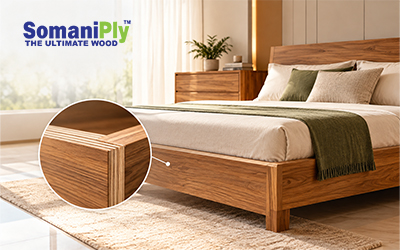
Yelahanka has rapidly grown into a key residential and commercial hub in North Bangalore, with increasing demand for modern interiors and high-quality furniture. Whether it’s apartments, villas, or office spaces, durability has become a top priority. If you are searching for the best plywood manufacturer in Yelahanka for durable furniture, the choice of plywood plays a critical role. It determines how well your furniture performs, how long it lasts, and how much maintenance it requires over time. Why Durable Plywood Matters for Furniture Furniture is subjected to continuous use, weight, and environmental exposure. Without high-quality plywood, even well-designed furniture can fail over time. Common issues caused by low-quality plywood include: Bending shelves under load Swelling due to moisture Weak joints and structural instability Reduced lifespan of furniture Durable plywood ensures strength, stability, and long-term performance across all furniture applications. Related reading: why plywood is the most underrated decision in interior design. What Makes a Plywood Manufacturer the Best in Yelahanka Choosing the right plywood manufacturer is essential for achieving long-lasting results. The best plywood manufacturers focus on: Strong Core Construction High-quality plywood is made with multiple layers bonded together for strength and stability. Moisture Resistance Essential for kitchens, wardrobes, and utility areas in residential spaces. Consistent Quality Uniform thickness and reliable performance across every sheet — see the full SomaniPly plywood range. High Load-Bearing Capacity Supports heavy furniture and storage units without bending or sagging. Types of Plywood for Durable Furniture MR Grade Plywood Suitable for indoor furniture and wardrobes Ideal for dry areas BWR Grade Plywood Best for kitchen cabinets and utility spaces Offers higher moisture resistance BWP Grade Plywood Designed for high-moisture environments Ideal for kitchens and areas exposed to water For moisture-prone furniture zones, explore BWR / BWP grade plywood. Plywood Comparison Table: MR vs BWR vs BWP Feature MR Plywood BWR Plywood BWP Plywood Water Resistance Low–Moderate High Very High Best Use Bedrooms, wardrobes Kitchens, utility areas Wet areas, kitchens Durability Moderate High Very High Moisture Exposure Occasional Frequent Continuous Lifespan 5–8 years 8–12 years 10–15+ years Cost Lower Medium Higher Selecting the right plywood type ensures better durability and performance for furniture in Yelahanka homes. Also useful: how to choose the right plywood for Indian climate conditions. Best Plywood Applications for Furniture Wardrobes: MR or BWR plywood for long-term use Kitchen Cabinets: BWR or BWP plywood for moisture resistance Storage Units: High-strength plywood for load-bearing TV Units & Panels: Stable plywood for durability Using the correct plywood for each application improves overall furniture lifespan. Match grades with SomaniPly product specifications. Why SomaniPly is a Trusted Choice in Yelahanka SomaniPly is designed to meet the demands of modern interiors and durable furniture applications. High-quality core structure for strength and stability Consistent performance across residential and commercial use Suitable for kitchens, wardrobes, and heavy-use furniture Built to withstand moisture and daily wear For homeowners and businesses in Yelahanka, SomaniPly offers reliable plywood solutions that support long-lasting interiors. Nearby buyers may also find our guide for the best plywood manufacturer in Hebbal helpful. Common Mistakes to Avoid When Choosing Plywood Selecting plywood based only on price Using MR plywood in moisture-prone areas Ignoring load-bearing requirements Choosing inconsistent or low-grade materials Avoiding these mistakes ensures better durability and reduces long-term costs. Conclusion Furniture durability depends heavily on the quality of plywood used. Choosing the best plywood manufacturer in Yelahanka ensures that your interiors remain strong, stable, and functional for years. Investing in high-quality plywood is not just a material choice — it is a long-term decision for better performance and reliability. Contact SomaniPly to choose the right grade for your project. FAQs Which plywood is best for durable furniture? BWR and BWP plywood are ideal for durable furniture, especially in areas exposed to moisture. Why is plywood important for furniture durability? It provides structural strength and ensures long-term performance under regular use. How long does good plywood last? High-quality plywood can last 10–15 years depending on usage and conditions. Is MR plywood suitable for all furniture? MR plywood is suitable for dry areas but not recommended for moisture-prone spaces.
Best Plywood Manufacturer in Hebbal for Homes & Interiors
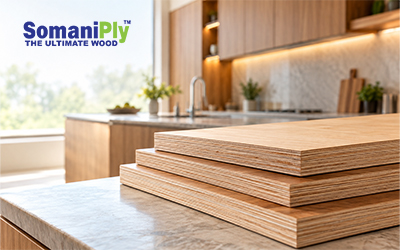
Hebbal has become one of Bangalore’s fastest-growing residential hubs, with modern apartments, villas, and commercial spaces shaping the area. With this growth comes the need for durable, high-quality materials that can support long-lasting interiors. If you are searching for the best plywood manufacturer in Hebbal for homes and interiors, choosing the right plywood is essential. It directly impacts the strength, durability, and performance of furniture across your space. Why Choosing the Right Plywood in Hebbal Matters Interiors in Hebbal are exposed to: Daily usage and load stress Humidity variations across seasons Modern modular furniture requirements Using low-quality plywood can lead to: Swelling in kitchen cabinets Bending shelves and weak wardrobes Reduced lifespan of furniture High-quality plywood ensures stability, durability, and long-term performance. For climate-specific guidance, see how to choose the right plywood for Indian climate conditions. What Makes a Plywood Manufacturer the Best in Hebbal When selecting the best plywood manufacturer in Hebbal, consider: Consistent Quality Uniform thickness, strong bonding, and reliable performance across every sheet. Moisture Resistance Essential for kitchens, utility areas, and long-term durability. High Load-Bearing Strength Supports wardrobes, storage units, and heavy furniture. Application-Based Solutions Different plywood grades for different interior needs — browse the full SomaniPly plywood range. Types of Plywood for Homes & Interiors MR Grade Plywood Suitable for wardrobes and indoor furniture Ideal for low-moisture areas BWR Grade Plywood Best for kitchens and utility areas Offers strong moisture resistance BWP Grade Plywood Suitable for high-moisture environments Ideal for kitchens and bathrooms Explore BWR / BWP grade plywood for moisture-prone Hebbal kitchens and wet zones. Plywood Comparison Table: MR vs BWR vs BWP Feature MR Plywood BWR Plywood BWP Plywood Water Resistance Low–Moderate High Very High Best Use Bedrooms, wardrobes Kitchens, utility areas Wet areas, kitchens, bathrooms Durability Moderate High Very High Moisture Exposure Occasional Frequent Continuous Lifespan 5–8 years 8–12 years 10–15+ years Cost Lower Medium Higher Choosing the right plywood grade depends on where it will be used. For kitchens and moisture-prone areas in Hebbal homes, BWR or BWP plywood is recommended. You can also review why plywood is the most underrated decision in interior design. Best Plywood Applications in Hebbal Homes Kitchen Cabinets: BWR or BWP plywood for moisture resistance Wardrobes: MR or BWR plywood for durability TV Units & Panels: Stable plywood for long-term use Storage Furniture: High-strength plywood for load-bearing Using the right material ensures better performance across all interior applications. Common Problems with Low-Quality Plywood Many homeowners face issues due to poor plywood selection: Swelling and deformation due to moisture Layer separation over time Weak furniture structure Frequent repairs and maintenance These issues increase long-term costs and reduce interior lifespan. How to Choose the Best Plywood in Hebbal Before finalizing plywood, ensure: You select the right grade (MR, BWR, or BWP) The plywood has strong bonding and uniform layers It is suitable for local environmental conditions You choose a trusted and consistent manufacturer Match grades to use cases with SomaniPly product specifications. Why SomaniPly is a Trusted Choice in Hebbal SomaniPly offers plywood solutions designed for modern homes and interiors: Consistent quality across all sheets Strong core structure for durability Suitable for kitchens, wardrobes, and furniture Designed for long-term performance in real conditions Conclusion Choosing the best plywood manufacturer in Hebbal is not just about price — it is about long-term performance and durability. High-quality plywood ensures that your interiors remain strong, stable, and functional for years. Contact SomaniPly if you need help selecting the right grade for your Hebbal project. FAQs Which plywood is best for homes in Hebbal? BWR and BWP plywood are ideal for kitchens and moisture-prone areas, while MR plywood works well for general furniture. Why is plywood quality important for interiors? It determines durability, strength, and how long furniture lasts without damage. How long does good plywood last? High-quality plywood can last 10–15 years depending on usage and conditions. What should I check before buying plywood? Check the grade, bonding quality, moisture resistance, and manufacturer reliability.
Why Plywood is the Most Underrated Decision in Interior Design
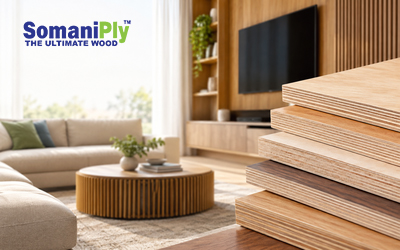
When planning interiors, most homeowners focus on design elements like colors, finishes, and furniture styles. However, one of the most critical factors in interior design is often overlooked — the quality of plywood. Plywood plays a key role in determining the durability, strength, and long-term performance of furniture and interiors. Studies in construction materials indicate that a significant portion of furniture failures are linked to poor core material quality rather than external finishes. Choosing the right plywood ensures that interiors remain stable, functional, and long-lasting. What is the Role of Plywood in Interior Design? Plywood forms the structural base of most interior elements, including: Modular kitchen cabinets Wardrobes and storage units TV units and wall panels Office furniture and partitions It distributes load evenly and resists stress. Compared to solid wood, plywood offers better dimensional stability due to its cross-layered construction, reducing the chances of warping or cracking. Why Plywood is the Most Important Interior Material Strength and Load-Bearing Capacity High-quality plywood supports weight efficiently, ensuring that shelves, cabinets, and furniture maintain their shape over time. Moisture Resistance In areas like kitchens and utility spaces, moisture-resistant plywood such as BWR and BWP helps prevent swelling, warping, and structural damage. Long-Term Durability Good-quality plywood maintains its structure and finish for years, reducing the need for repairs and replacements. Dimensional Stability The cross-grain structure of plywood minimizes expansion and contraction, making it more stable than many alternative materials. Types of Plywood Used in Interior Design MR Grade Plywood (Moisture Resistant) Suitable for indoor furniture and wardrobes Ideal for low-moisture areas BWR Plywood (Boiling Water Resistant) Best for kitchens and semi-wet areas Offers better moisture resistance and bonding strength BWP Plywood (Boiling Water Proof) Suitable for high-moisture environments Ideal for kitchens, bathrooms, and utility spaces Learn more about SomaniPly BWR / BWP grade plywood for moisture-prone interiors. Plywood Comparison Table: MR vs BWR vs BWP Feature MR Plywood BWR Plywood BWP Plywood Water Resistance Low–Moderate High Very High Best Use Bedrooms, wardrobes Kitchens, utility areas Wet areas, kitchens, bathrooms Durability Moderate High Very High Moisture Exposure Occasional Frequent Continuous Lifespan 5–8 years 8–12 years 10–15+ years Cost Lower Medium Higher Choosing between MR, BWR, and BWP plywood depends on where it will be used. For moisture-prone areas like kitchens, BWR or BWP plywood is recommended, while MR plywood is suitable for general interior furniture. Common Problems Caused by Low-Quality Plywood Using poor-quality plywood can lead to: Swelling due to moisture absorption Delamination or layer separation Bending or sagging shelves Reduced load-bearing capacity Increased maintenance and repair costs Over time, these issues reduce the lifespan of interiors and increase overall expenses. How to Choose the Best Plywood for Interiors To ensure durability and performance: Select the correct grade (MR, BWR, or BWP) based on usage Check for uniform thickness and strong bonding Ensure moisture and termite resistance Choose reliable manufacturers with consistent quality Avoid selecting plywood based only on price For a deeper buying guide, see how to choose the right plywood for Indian climate conditions. Why Plywood Quality Matters in Indian Conditions In cities like Bangalore and across Karnataka, interiors are exposed to humidity variations, seasonal weather changes, and daily usage. Plywood used in such environments must be able to: Resist moisture and humidity Maintain structural strength over time Perform consistently across different applications Choosing the right plywood ensures better durability under these conditions. You can also review SomaniPly product specifications when matching grade to application. Best Plywood for Different Interior Applications Kitchen Cabinets: BWR or BWP plywood Wardrobes: MR or BWR plywood Office Furniture: High-strength plywood Wall Panels: Lightweight and stable plywood Using the right type of plywood for each application improves performance and reduces long-term issues. Conclusion Interior design is not just about appearance — it is about performance and longevity. Plywood is one of the most important materials that determines how well interiors function over time. Choosing high-quality plywood ensures durability, reduces maintenance, and improves the overall lifespan of furniture and interiors. About SomaniPly SomaniPly offers high-quality plywood solutions designed for strength, durability, and consistent performance across residential and commercial applications. FAQs Why is plywood important in interior design? Plywood provides structural strength and stability, ensuring long-term performance of interiors. Which plywood is best for kitchen cabinets? BWR or BWP plywood is recommended due to its moisture resistance. What is the difference between MR and BWR plywood? MR plywood is suitable for indoor use, while BWR plywood offers better resistance to moisture. How long does good quality plywood last? High-quality plywood can last 10–15 years depending on usage and environmental conditions.
How Architects Compare Plywood Strength and Sustainability

How Architects Compare Plywood Strength and Sustainability Architects compare plywood by looking at two connected questions: Will the panel perform safely in the intended application, and has it been produced with a responsible environmental approach? A strong plywood sheet is not automatically sustainable, while an environmentally certified product may not be suitable for every structural or moisture-prone application. Architects therefore evaluate plywood grade, thickness, core construction, bonding quality, emissions, timber sourcing, durability and supporting documentation before approving it for a project. Why Both Strength and Sustainability Matter Plywood is used in furniture, partitions, wall panelling, doors, ceilings, kitchens, retail displays, institutional interiors and formwork. Each application places different demands on the material. A library shelf must resist bending under continuous book weight. A kitchen cabinet must tolerate humidity and occasional water exposure. A decorative wall panel may require a smooth finish but carry very little load. At the same time, architects may need to consider: Where the timber was sourced Whether the wood is legally and responsibly harvested Which adhesives were used How much formaldehyde the product releases Whether environmental documentation is available How long the plywood is expected to last Whether the material can help reduce project waste How far the product must be transported The best plywood choice balances technical performance, environmental impact, cost and long-term durability. Architects Begin with the Intended Application Plywood should not be selected before the application is clearly understood. Architects usually identify: Where the plywood will be installed Whether the application is structural or decorative How much weight it must carry Whether it will face water or humidity How often the surface will be used Whether it will be installed indoors or outdoors What finish will be applied Whether fire-performance requirements apply How long the material is expected to remain in service This prevents the project from using an expensive high-performance plywood where it is unnecessary or a low-grade product where failure is likely. Understanding Plywood Strength Plywood strength depends on more than sheet thickness. The quality of the veneers, bonding, grain direction, internal core and manufacturing consistency all affect performance. Architects and structural consultants may compare several factors before approving a panel. 1. Plywood Grade The plywood grade indicates the conditions for which the product is designed. Common categories may include: MR-grade plywood Moisture-resistant plywood is generally used in dry interior areas. It may be suitable for wardrobes, office furniture, bedroom storage and decorative applications. MR does not mean waterproof. It should not be used where the furniture faces regular water contact. BWR-grade plywood Boiling-water-resistant plywood offers better moisture protection than standard commercial plywood. It may be considered for: General commercial furniture Classroom desks Library shelves Retail counters Wardrobes in humid locations Interior cabinets exposed to occasional moisture BWP-grade plywood Boiling-waterproof plywood is more suitable for areas with higher moisture exposure. Common applications include: Kitchen cabinets Bathroom vanities Laboratory storage Canteen counters Cabinets near plumbing Utility-area furniture Shuttering plywood Shuttering plywood is designed for concrete formwork. Architects and site engineers evaluate its bonding, surface film, thickness, edge sealing and expected number of reuses. Fire-retardant plywood Fire-retardant plywood may be specified where project requirements call for improved resistance to flame spread. It does not make the entire furniture or building element fireproof. The complete assembly must meet the project’s fire-safety requirements. 2. Thickness Plywood thickness affects stiffness, load-bearing capacity and resistance to bending. Thicker plywood may be required for: Long shelves Table tops Bed platforms Heavy storage Laboratory worktops Classroom desks Retail displays Large cabinet shutters Thinner panels may be suitable for: Drawer bottoms Cabinet backs Decorative wall finishes Lightweight partitions Ceiling panels Architects do not select thickness only by appearance. They consider the unsupported span, expected load, support spacing and method of fixing. 3. Veneer Quality Plywood is made by bonding multiple thin wood veneers. The quality of these layers strongly affects overall strength. Architects may check whether the plywood has: Uniform veneers Proper layer arrangement Minimal core gaps No visible overlap defects Consistent density Straight edges Properly bonded layers Poor veneer quality can create weak sections inside the sheet, even when the outer surface appears smooth. 4. Core Construction The internal core determines how well the plywood handles screws, load and repeated use. A poor-quality core may contain: Large gaps Overlapping veneers Weak wood layers Uneven thickness Loose internal sections Inconsistent bonding For furniture with hinges, drawer channels, wall brackets or repeated fixing points, good core construction is essential. 5. Bonding Quality The adhesive must hold the veneer layers together under the expected site conditions. Architects may review: Bonding test information Delamination resistance Moisture-performance claims Manufacturer specifications Product certification Suitability for the proposed application Plywood with weak bonding may begin to separate when exposed to moisture, heat or repeated stress. 6. Bending Strength and Stiffness Plywood shelves, desk tops and panels must resist bending under load. Bending performance becomes especially important for: Library shelving University furniture Retail display units Office workstations Storage racks Laboratory counters Large cabinet shutters Architects may reduce bending by using thicker plywood, shorter spans, vertical dividers, metal supports or reinforced frames. 7. Screw-Holding Capacity Plywood must hold hardware securely. This is important for: Hinges Drawer channels Handles Locks Shelf supports Wall-mounted cabinets Desk frames Joinery systems Weak plywood may allow screws to loosen, creating unstable shutters, shelves or furniture. Architects may request samples or technical information before approving plywood for hardware-intensive applications. 8. Dimensional Stability Plywood should remain reasonably flat and stable when environmental conditions change. Architects check for: Warping Twisting Edge swelling Surface unevenness Thickness variation Delamination Moisture-related movement Dimensional stability is particularly important for large shutters, wall panels, modular furniture and tightly aligned interior systems. 9. Surface Quality The surface affects both appearance and fabrication. A smooth plywood face is important for: Decorative laminate Natural veneer Paint Polish Acrylic finishes Wall panelling Premium furniture Architects may check for patches, cracks, open grain, sanding defects and unevenness before choosing a finish. How Architects Assess Sustainability Sustainability involves the full life cycle of plywood, not only
How Plywood Manufacturers Can Reduce Environmental Impact

How Plywood Manufacturers Can Reduce Environmental Impact Plywood is widely used in homes, offices, schools, retail spaces, construction projects and commercial interiors. It makes efficient use of timber by bonding thin wood veneers into strong and stable panels. However, plywood manufacturing can still affect forests, energy use, water consumption, air quality and waste generation. Manufacturers can reduce this environmental impact by sourcing timber responsibly, improving production efficiency, using lower-emission adhesives, controlling pollution and designing plywood products that last longer. Sustainable manufacturing is not achieved through one change. It requires improvements across the entire process, from raw-material sourcing to packaging and delivery. Why Environmental Responsibility Matters in Plywood Manufacturing Environmental performance is becoming an important factor in construction and furniture material selection. Architects, contractors, interior designers and institutional buyers increasingly look for products supported by responsible sourcing and clear technical documentation. Improving sustainability can help plywood manufacturers: Reduce raw-material waste Lower energy and water consumption Control production emissions Improve worker safety Meet green-building requirements Strengthen customer confidence Reduce operating costs Improve product quality Build long-term supply stability Differentiate their products in the market Environmental responsibility should be treated as part of manufacturing quality rather than only as a marketing activity. 1. Source Timber from Responsibly Managed Forests Timber sourcing is one of the most important environmental considerations in plywood manufacturing. Manufacturers should avoid timber connected to illegal logging, uncontrolled forest loss or poorly managed supply chains. Instead, they can work with suppliers that provide legally sourced and traceable wood. Responsible timber sourcing may include: Purchasing wood from managed plantations Using timber from verified legal sources Maintaining supplier documentation Conducting regular supplier checks Supporting forest regeneration Avoiding timber from protected areas Using recognised forest-certification systems Maintaining chain-of-custody records Traceability helps manufacturers understand where the timber comes from and whether the source follows responsible forestry practices. 2. Use Plantation-Grown and Fast-Renewing Wood Species Plywood production can reduce pressure on natural forests by using plantation-grown timber where technically suitable. Fast-growing tree species can provide a more predictable raw-material supply when plantations are managed responsibly. They may also reduce the harvesting pressure placed on slow-growing forest species. However, plantation timber should still be evaluated for: Legal land use Water consumption Soil protection Biodiversity impact Chemical use Replanting practices Community impact Long-term land management A fast-growing species is not automatically sustainable. The complete plantation system must be managed carefully. 3. Improve Timber Recovery from Each Log A large amount of wood can be wasted when logs are poorly graded, peeled or cut. Better production planning can help manufacturers obtain more usable veneer from every log. Ways to improve timber recovery include: Sorting logs by size and quality Optimising log conditioning Maintaining peeling machines Improving veneer-cutting accuracy Reducing unnecessary trimming Using digital measurement systems Training machine operators Separating reusable offcuts Monitoring recovery rates by batch Higher timber recovery reduces the amount of raw wood needed to produce each plywood sheet. 4. Use Wood Waste Productively Plywood manufacturing creates bark, veneer trimmings, rejected sheets, sanding dust and small wood pieces. These materials should not automatically be sent to landfill or burned in uncontrolled conditions. Depending on quality and local regulations, wood waste may be used for: Biomass energy Briquettes or pellets Particleboard production Packaging supports Pallets Protective separators Secondary wood products Controlled industrial fuel Composting of suitable untreated material Wood dust and adhesive-contaminated waste require careful handling. Manufacturers must ensure that reuse or disposal methods do not create additional air, soil or water pollution. 5. Reduce Formaldehyde and Chemical Emissions Adhesives are essential for bonding plywood veneers, but some resin systems may release formaldehyde and other chemical emissions. Manufacturers can reduce emissions by: Using lower-emission resin systems Improving resin formulation Controlling adhesive application Preventing excessive glue use Maintaining correct pressing conditions Testing finished products regularly Using qualified raw-material suppliers Improving factory ventilation Monitoring workplace exposure Low-emitting plywood can be particularly valuable for indoor applications such as schools, hospitals, homes, offices and hotels. Environmental claims should be supported by suitable test reports rather than general terms such as non-toxic or chemical-free. 6. Apply Adhesives More Efficiently Using more adhesive does not always produce better plywood. Excess application can increase costs, emissions, and chemical waste. Modern glue-spreading systems can help manufacturers maintain a consistent adhesive quantity across each veneer. Better adhesive control may include: Calibrating spreading machines Monitoring glue weight Adjusting application to veneer condition Preventing adhesive leakage Reusing suitable material where permitted Training workers in correct mixing Controlling resin storage conditions Recording batch formulations Efficient application improves bonding while reducing unnecessary material consumption. 7. Improve Energy Efficiency Plywood manufacturing uses energy for log conditioning, veneer drying, pressing, sanding, cutting, ventilation and material movement. Manufacturers can reduce energy use by: Installing energy-efficient motors Maintaining boilers and dryers Improving insulation Recovering heat from exhaust systems Preventing steam leakage Using variable-frequency drives Optimising production schedules Reducing machine idle time Monitoring energy use by process Replacing inefficient lighting Improving compressed-air systems Energy monitoring helps identify which machines or production stages consume the most power. 8. Use Renewable Energy Where Practical Manufacturers can reduce dependence on fossil fuels by introducing renewable energy into their operations. Possible options include: Rooftop solar panels Solar water heating Biomass produced from suitable wood waste Renewable electricity procurement Hybrid energy systems Heat-recovery systems Biomass should be used only in properly designed and controlled equipment. Burning mixed, treated, or adhesive-contaminated waste without suitable emission controls can create serious pollution. Renewable energy should be combined with efficiency measures. Producing clean energy does not remove the need to reduce unnecessary consumption. 9. Make Veneer Drying More Efficient Veneer drying is one of the most energy-intensive stages of plywood production. Excessive drying can waste energy and make veneers brittle, while insufficient drying may affect bonding quality. Manufacturers can improve drying by: Measuring veneer moisture accurately Grouping veneers by thickness Controlling dryer temperature Maintaining airflow Repairing heat leakage Cleaning dryer components Using automated moisture monitoring Recovering waste heat Avoiding unnecessary repeat drying Better drying control reduces energy use and supports consistent product quality.
How Sustainable Plywood Supports LEED-Certified Projects
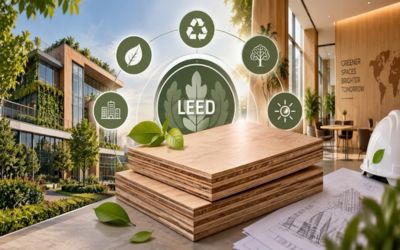
How Sustainable Plywood Supports LEED-Certified Projects Sustainable plywood can support LEED-certified projects by contributing to responsible material sourcing, lower formaldehyde emissions, transparent product documentation, and reduced construction waste. However, plywood does not receive LEED certification by itself. It must form part of a wider project strategy that meets the requirements of the selected LEED rating system and version. What Is LEED Certification? LEED stands for Leadership in Energy and Environmental Design. Developed by the U.S. Green Building Council, it provides a framework for designing, constructing and operating healthier, more efficient and environmentally responsible buildings. Projects must satisfy mandatory prerequisites and earn points across different sustainability categories. The total number of points determines whether a project achieves Certified, Silver, Gold or Platinum status. LEED can be applied to new buildings, major renovations, commercial interiors and existing-building operations. LEED v5 is currently the latest version, although projects may also be registered under LEED v4.1 or LEED v4. The exact material requirements therefore depend on the rating system and version selected by the project team. What Makes Plywood Sustainable? Plywood should not be described as sustainable only because it is made from wood. Its environmental value depends on how the timber is sourced, how the panel is manufactured, which adhesives are used, how long it lasts and whether reliable documentation is available. Sustainable plywood may include some or all of the following characteristics: Timber from responsibly managed forests Valid forest-certification documentation Traceable supply chains Low formaldehyde emissions Efficient use of wood resources Recycled or recovered content where applicable Environmental Product Declarations Material ingredient disclosures Durable construction and long service life Manufacturing systems that reduce waste Product information that can be verified A plywood product should be evaluated using technical documents rather than broad terms such as green, natural, eco-friendly or premium. Sustainable Plywood Can Support Responsible Wood Sourcing Wood sourcing is one of the most direct ways plywood may support a LEED material strategy. Under applicable LEED responsible-sourcing requirements, wood products may qualify when they are certified by the Forest Stewardship Council or another equivalent accepted by USGBC. The requirements vary by rating-system version, so project teams must confirm the correct compliance path before procurement. FSC certification is intended to provide credible verification that forest-based materials have moved through a controlled supply chain. Its Chain of Custody system tracks certified material from its source through processing, manufacturing and sale. For a LEED project, simply seeing an FSC logo in a brochure may not be sufficient. The procurement team may need to verify: The manufacturer’s or supplier’s Chain of Custody certificate Whether the certificate was valid when the material was purchased The certificate scope The FSC claim shown on the invoice The product description and quantity Whether the supplying company is authorised to sell the certified product This documentation helps the LEED consultant connect the installed plywood to the project’s responsible-sourcing calculations. It Can Support Low-Emitting Material Requirements Plywood is a composite wood product manufactured using wood veneers and adhesives. Depending on the adhesive system and production quality, composite wood products may release formaldehyde into indoor air. LEED includes low-emitting material requirements covering products such as composite wood, adhesives, sealants, paints and coatings. LEED v5 continues to include composite wood products within its low-emitting material criteria, while LEED v4.1 also provides formaldehyde-emission evaluation requirements for composite wood. Low-emitting plywood can be valuable in: Offices Schools and universities Hospitals and clinics Hotels Residential interiors Retail stores Libraries Childcare facilities Frequently occupied commercial buildings Project teams should request valid emission test reports or accepted third-party certifications. A statement such as low VOC or eco-friendly is not enough unless it is supported by documentation that matches the selected LEED requirements. Why Low-Emission Plywood Matters Indoors Plywood is commonly used in wardrobes, cabinets, wall panels, partitions, desks, shelves, doors and fixed furniture. These products may cover a considerable surface area within a building. Selecting lower-emitting plywood, laminating adhesives and finishes can support the project’s indoor environmental goals. The complete furniture assembly must be considered—not only the plywood core. For example, a low-emitting plywood sheet may still be combined with: High-emitting adhesives Unverified laminates Solvent-based coatings High-emission edge-sealing products Unverified paints or polishes Therefore, architects and contractors should evaluate the plywood, adhesive, laminate, coating and sealant as part of one material system. Environmental Product Declarations Improve Transparency An Environmental Product Declaration, commonly called an EPD, communicates information about a product’s environmental impacts across defined stages of its life cycle. LEED has material disclosure and optimisation pathways that recognise qualifying environmental product declarations. In LEED v4.1, the EPD credit encourages projects to use a range of permanently installed products with eligible environmental declarations. An EPD may include information related to: Raw-material extraction Energy used in manufacturing Transport Greenhouse-gas emissions Water use Waste generation Production processes End-of-life assumptions Plywood with a qualifying, independently verified EPD can make product selection and LEED documentation easier. However, the EPD does not automatically mean that one product is environmentally superior to another. The project team must check whether the declaration meets the exact programme, scope, verification and validity requirements of the selected LEED version. Material Ingredient Disclosure Can Support Better Decisions Project teams may also evaluate the chemical ingredients used in plywood, adhesives, laminates and coatings. LEED includes material ingredient disclosure and optimisation pathways that encourage manufacturers to communicate product contents through accepted reporting methods. Useful documents may include: Health Product Declarations Manufacturer ingredient inventories Cradle-to-Cradle certifications Declare labels Other accepted third-party disclosures These documents help architects and sustainability consultants understand which chemicals are present and whether the manufacturer has assessed or improved the product formulation. Ingredient disclosure does not necessarily mean that a product is completely free from hazardous substances. It mainly provides transparency that supports informed selection. Recycled and Recovered Content May Reduce Virgin Material Use Some plywood or engineered wood products may include recovered wood, recycled fibres or manufacturing by-products. Using recovered material can reduce demand for virgin resources and divert usable wood from disposal. However, recycled content should not be
How Chennai’s Humid Climate Affects Plywood Furniture
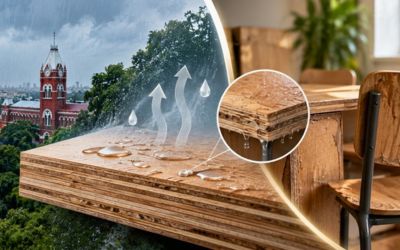
How Chennai’s Humid Climate Affects Plywood Furniture Chennai’s warm and humid climate can cause plywood furniture to absorb moisture, swell, warp, develop mould, and lose its finish. Furniture placed near exterior walls, kitchens, bathrooms and windows faces a higher risk. Choosing moisture-resistant plywood, sealing edges and maintaining ventilation can significantly reduce climate-related damage. Why Chennai’s Climate Can Be Difficult for Plywood Furniture Chennai has a coastal climate with high humidity during much of the year. The city also experiences periods of heavy rain, warm temperatures, and moisture-filled air. Even when rainwater does not directly touch furniture, moisture present in the air can slowly affect plywood. This is especially common in homes with limited ventilation, damp walls, plumbing leakage, or furniture placed directly against exterior walls. Over time, excess moisture can affect the strength, appearance and usability of plywood furniture. Common problems include: Swollen plywood edges Warped wardrobe shutters Peeling laminate Loose furniture joints Mould and fungal growth Musty smells inside cupboards Rusting hinges and screws Difficulty opening drawers Reduced furniture life Understanding these risks can help homeowners choose suitable plywood and protect their furniture. How Humidity Affects Plywood Plywood is manufactured by bonding multiple thin wood veneers together. Good-quality plywood is strong and dimensionally stable, but wood-based materials can still react to changes in moisture. When humidity is high, plywood may absorb moisture from the surrounding air. If the furniture remains exposed for a long period, the wood layers can expand. When the weather becomes dry again, the material may contract. Repeated expansion and contraction can gradually affect joints, laminates, edges and hardware. The level of damage depends on: Plywood grade Quality of bonding Edge sealing Surface finish Room ventilation Furniture location Water leakage Maintenance practices High-quality plywood with properly sealed surfaces performs better than low-grade or poorly finished material. 1. Plywood Edges May Swell The edges are often the first part of plywood furniture to show moisture damage. Most furniture surfaces are protected with laminate, veneer, paint or polish. However, cut edges, screw holes and unfinished sections may remain exposed. Moisture can enter through these areas and cause the plywood layers to expand. Common signs of edge swelling include: Raised laminate near corners Uneven cabinet shutters Soft or rough edges Visible separation between layers Difficulty closing doors Increased thickness near the base Kitchen cabinets, bathroom storage and wardrobes near damp walls are especially vulnerable. 2. Wardrobe Doors Can Warp Large wardrobe shutters may bend or lose alignment when they absorb moisture unevenly. For example, the front of the wardrobe may remain dry while the back is exposed to a damp wall. This uneven exposure can cause the plywood to expand differently on each side. As a result: Wardrobe doors may not close properly Gaps may appear between shutters Hinges may become loose The shutter may rub against the frame Locks and handles may become misaligned Maintaining a small gap between the wardrobe and wall can improve airflow and reduce moisture build-up. 3. Laminate and Veneer May Start Peeling Laminate and veneer protect plywood while improving its appearance. However, moisture entering through edges or joints can weaken the adhesive holding the finish. This may cause: Bubbles below the laminate Raised corners Peeling veneer Discolouration Uneven surfaces Cracks near joints Peeling is commonly seen near kitchen sinks, bathroom vanities, window-side furniture and floor-level cabinet edges. Minor peeling should be repaired early. Once moisture reaches deeper plywood layers, the damage may become more difficult to correct. 4. Mould Can Develop on Furniture Warmth, humidity and poor airflow create suitable conditions for mould growth. Mould may appear: Behind wardrobes Inside closed cupboards Under beds Around furniture bases Inside shoe racks Near bathroom walls Behind kitchen cabinets It may look like black, green, grey or white patches. Furniture may also develop an unpleasant, musty smell. Mould can damage the surface finish and stored items such as clothes, books, shoes and documents. Keeping furniture ventilated and controlling indoor humidity can reduce the risk. 5. Plywood Layers May Separate When moisture enters low-quality or poorly sealed plywood, it may weaken the bonding between veneers. This can lead to delamination, where the layers begin to separate. Early signs include: Small gaps along the edge Raised outer layers Hollow sounds when tapped Soft plywood sections Cracking around screws Peeling near cut-outs Severe delamination can weaken furniture and may require replacement of the affected panel. 6. Furniture Joints Can Become Loose Plywood furniture depends on screws, hinges, brackets and connectors. When plywood repeatedly absorbs and releases moisture, the fixing points may become weak. Screws may lose their grip, and hardware may become loose. This can affect: Wardrobe hinges Drawer channels Kitchen shutters Bed frames Wall-mounted cabinets Bookshelves Study tables Loose hardware should be repaired quickly. Delaying repairs can cause wider damage around the screw holes. 7. Metal Hardware May Rust Humidity does not affect only the plywood. It can also damage metal components used in furniture. Hinges, screws, handles, drawer channels and locks may develop rust, particularly in kitchens, bathrooms and homes close to the coast. Rust can cause: Squeaking hinges Stiff drawer movement Staining on plywood Loose hardware Broken screws Difficulty opening cabinets Good-quality corrosion-resistant hardware may provide better performance in humid locations. 8. Furniture Can Develop a Musty Smell Closed wardrobes and cabinets may trap humid air. Clothes, books and other items stored inside can also hold moisture. This can create a musty smell even before visible mould appears. The problem is common in: Wardrobes Shoe racks Kitchen cabinets Loft storage Bed storage Closed bookshelves Regularly opening cabinet doors and using moisture absorbers can help keep the interiors dry. Which Areas of a Chennai Home Face Greater Risk? Some parts of a home experience more moisture than others. Area Main moisture source Common plywood problem Kitchen Steam, spills and plumbing Swelling and peeling laminate Bathroom Humidity and water splashes Mould and edge damage Bedroom Closed spaces and damp walls Musty smell and warped wardrobes Living room Exterior walls and windows Surface damage and discolouration Balcony Rain