
What Is GreenPro Certification & Why It Matters for Plywood

What Is GreenPro Certification & Why It Matters for Plywood Sustainability has become one of the most important considerations in modern construction and interior design. Homeowners are investing in healthier living spaces, architects are designing environmentally responsible buildings, and builders are selecting materials that support long-term performance without compromising the environment. As a result, certifications have become an essential factor in evaluating the quality and sustainability of building materials. Among the many certifications available today, GreenPro Certification has emerged as one of India’s most respected eco-labels for construction products. Developed by the Confederation of Indian Industry (CII) through the Indian Green Building Council (IGBC), GreenPro helps identify products that meet recognized environmental standards and contribute to sustainable building practices. For plywood manufacturers, GreenPro Certification reflects a commitment to responsible manufacturing, resource efficiency, and environmentally conscious production. For architects, builders, interior designers, and homeowners, it offers confidence that the materials selected support both quality and sustainability. At SomaniPly, GreenPro Certification reflects our commitment to manufacturing premium plywood that supports sustainable construction while delivering the durability, strength, and performance expected from modern building materials. What Is GreenPro Certification? GreenPro Certification is India’s leading eco-label for green building products. It is awarded to products that meet stringent environmental standards across multiple stages of manufacturing, including raw material sourcing, production efficiency, environmental impact, and product performance. Unlike general environmental claims, GreenPro follows an independent assessment process. Products are evaluated against established sustainability criteria before receiving certification, ensuring that they meet recognized benchmarks for responsible manufacturing. This independent evaluation makes GreenPro one of the most trusted certifications for architects, developers, builders, and interior designers who want to specify environmentally responsible materials in their projects. For manufacturers, earning GreenPro Certification demonstrates a commitment to continuous improvement and responsible production practices. For customers, it provides assurance that the products they choose have been evaluated beyond quality alone. Why GreenPro Certification Matters for Plywood Plywood is one of the most widely used materials in residential, commercial, and institutional construction. It forms the foundation of modular kitchens, wardrobes, office furniture, wall paneling, educational facilities, healthcare interiors, hospitality projects, and countless other applications. As its use continues to expand, so does the responsibility of ensuring that plywood is manufactured responsibly. GreenPro Certification helps address this responsibility by encouraging manufacturers to adopt environmentally conscious production practices while maintaining consistent product quality. Instead of evaluating plywood only for strength or durability, customers can also consider its environmental performance when making purchasing decisions. Choosing GreenPro-certified plywood means selecting products that have been independently assessed for sustainability, giving greater confidence that the material contributes to responsible construction practices while delivering dependable long-term performance. Why Professionals Prefer GreenPro-Certified Plywood Different stakeholders benefit from GreenPro Certification in different ways. While architects focus on sustainable material specification, homeowners often seek healthier living spaces, and builders prioritize quality and reliability. Stakeholder Why GreenPro Matters Architects Supports sustainable material specification for environmentally responsible projects. Builders Provides confidence in using independently certified building materials. Interior Designers Helps create sustainable, healthier, and modern interior spaces. Developers Supports green building initiatives and responsible project delivery. Homeowners Offers assurance that plywood is manufactured with environmental responsibility in mind. By supporting every stakeholder in the construction process, GreenPro Certification has become an important factor in modern material selection. GreenPro Supports Sustainable Construction Sustainable construction extends beyond energy-efficient buildings. It also depends on selecting materials that reduce environmental impact while maintaining quality and durability throughout their lifecycle. GreenPro-certified plywood contributes to this objective by encouraging responsible manufacturing and promoting products that align with environmentally conscious building practices. Whether the project involves residential homes, commercial offices, hospitality developments, educational institutions, healthcare facilities, or retail spaces, GreenPro-certified products help project teams make informed material decisions that support long-term sustainability. As India’s construction industry increasingly adopts green building principles, GreenPro Certification continues to play an important role in encouraging responsible manufacturing and environmentally conscious product selection. Common Applications of GreenPro-Certified Plywood GreenPro-certified plywood is suitable for a wide variety of interior and construction applications where sustainability and long-term performance are equally important. Application How GreenPro Adds Value Modular Kitchens Supports environmentally responsible interior solutions. Wardrobes & Furniture Combines durability with sustainable manufacturing practices. Office Interiors Contributes to greener workplaces and commercial environments. Educational Institutions Encourages responsible material selection for learning spaces. Healthcare Facilities Supports healthier and environmentally conscious interiors. Hospitality Projects Helps create sustainable guest experiences through responsible material choices. Rather than limiting sustainability to large infrastructure projects, GreenPro-certified plywood allows responsible material choices across projects of every size. GreenPro vs Conventional Building Materials Choosing building materials is no longer just about price, appearance, or durability. Modern construction projects increasingly require products that demonstrate environmental responsibility alongside consistent performance. GreenPro Certification helps buyers distinguish products that have undergone an independent sustainability assessment from those that have not. GreenPro-Certified Products Conventional Products Independently evaluated against sustainability criteria Environmental claims may not be independently verified Supports green building initiatives Limited sustainability documentation Encourages responsible manufacturing practices Sustainability practices may vary Preferred by architects and designers for sustainable projects Selection is often based only on technical specifications Demonstrates environmental responsibility Environmental performance may not be transparent This comparison highlights why GreenPro has become an important benchmark for professionals seeking reliable and environmentally responsible building materials. Why Architects and Interior Designers Value GreenPro Architects and interior designers influence some of the most important decisions in a construction project. Beyond creating visually appealing spaces, they are responsible for selecting materials that perform reliably, meet client expectations, and support sustainable building practices. GreenPro Certification simplifies this process by providing an independent standard for environmentally responsible products. Rather than relying solely on manufacturer claims, architects can specify materials that have been assessed against recognized sustainability criteria. For interior designers, GreenPro-certified plywood provides greater confidence when recommending products for modular kitchens, wardrobes, office furniture, wall paneling, hospitality interiors, and commercial spaces. It enables them to create interiors that combine aesthetics, functionality, and environmental responsibility without compromising on quality. As sustainability becomes an essential part of
The Makers Circle: 7 Design Lessons by Reema Bhandari
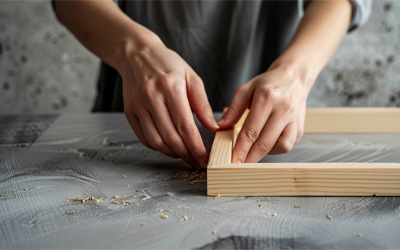
The Makers Circle: 7 Design Lessons by Reema Bhandari Great design begins long before a space takes shape. It starts with the questions architects, designers, manufacturers, and builders ask before selecting a single material. As sustainability becomes central to modern construction, these questions have evolved beyond aesthetics and cost to include environmental responsibility, long-term performance, transparency, and accountability. These ideas formed the heart of a recent conversation at The Makers Circle, where Nidhi Somani, Director at SomaniPly, spoke with renowned architect Reema Bhandari, Director at M Moser Associates. Their discussion explored how material choices influence not only buildings but also the future of the built environment. Rather than focusing solely on design trends, the conversation highlighted the growing responsibility shared by architects, manufacturers, and suppliers in creating spaces that are sustainable, resilient, and future-ready. From measurable sustainability to responsible sourcing and leadership, the discussion offered valuable insights for homeowners, architects, interior designers, builders, and manufacturers alike. Here are seven important lessons from that conversation and why they matter for the future of architecture, interior design, and material selection. 1. Every Material Choice Should Have a Purpose One of the strongest messages from the conversation was that material selection is no longer simply about appearance. According to Reema Bhandari, every material specified in a project should be evaluated for its broader impact. As designers review thousands of materials across different projects, the decision-making process now extends beyond surface finishes. Factors such as embedded carbon, social implications, environmental responsibility, and long-term performance have become equally important. This represents an important shift in the design industry. Instead of asking whether a material looks attractive, professionals are increasingly asking what consequences their choices have over the entire lifecycle of a building. For manufacturers, this also raises expectations. Products are now expected to deliver not only quality but also meaningful environmental information that helps customers make informed decisions. 2. Transparency Is Becoming More Important Than Marketing One of the recurring themes throughout the discussion was the importance of credible information. Sustainability claims alone are no longer enough. Architects today evaluate products based on lifecycle performance, certifications, recyclability, ethical sourcing, and measurable environmental data. As Reema explained, if sustainability is claimed, professionals expect evidence that supports those claims. This shift is transforming the relationship between manufacturers and the design community. Rather than relying on promotional messaging, manufacturers are increasingly expected to provide independently verified information that demonstrates environmental performance. For companies like SomaniPly, certifications such as Environmental Product Declaration (EPD), GreenPro, FSC, Low VOC, and Low Emission play an important role in providing this transparency, allowing architects and designers to evaluate products with greater confidence. 3. Sustainability Is a Shared Responsibility The discussion also challenged the idea that sustainability depends solely on client demand. While clients today are more informed and frequently ask questions about emissions, traceability, circularity, and responsible sourcing, Reema emphasized that leadership continues to rest with architects and designers. Sustainable design should not begin only when requested by a client. Instead, it should be embedded into everyday design practice. This perspective reflects an important evolution within the construction industry. Manufacturers, architects, consultants, contractors, suppliers, and clients all influence the environmental impact of a project. True sustainability emerges when every stakeholder accepts responsibility for better decision-making rather than treating sustainability as a compliance requirement. As Nidhi Somani observed during the conversation, sustainability is increasingly becoming part of organizational culture rather than simply fulfilling regulations. 4. Made in India Can Become a Global Sustainability Benchmark The conversation also explored the growing role of Indian manufacturing within the global construction industry. According to Reema Bhandari, locally manufactured products offer significant environmental advantages when approached intentionally. Reduced transportation distances help lower carbon emissions while enabling stronger collaboration between designers and manufacturers. India already possesses world-class manufacturing capabilities. The next opportunity lies in combining those capabilities with measurable sustainability benchmarks, transparent reporting, and internationally recognized certifications. This perspective positions Made in India as more than a manufacturing advantage. It has the potential to become a globally respected sustainability benchmark built on innovation, accountability, and responsible production. For Indian manufacturers, this represents an opportunity to compete globally not only through product quality but also through environmental leadership. A Shared Vision for Responsible Material Selection The first half of the discussion highlighted a common theme running through every question and response: better buildings begin with better decisions. Material selection is no longer driven solely by cost, durability, or appearance. It increasingly reflects a commitment to transparency, measurable sustainability, and long-term value. Key Insight Why It Matters Purpose-driven material selection Encourages responsible design decisions beyond aesthetics. Transparency over claims Builds trust through measurable sustainability data. Shared responsibility Sustainability requires collaboration across the entire project ecosystem. Stronger Indian manufacturing Positions locally manufactured products as globally competitive and environmentally responsible. These insights establish a strong foundation for understanding how the future of architecture is becoming increasingly connected with responsible manufacturing, environmental accountability, and collaborative leadership. 5. Design Decisions Should Be Backed by Real-World Evidence An interesting perspective shared by Reema Bhandari was how M Moser Associates uses its own workplaces as “living laboratories.” Instead of relying only on design theories or product specifications, the team studies how materials perform once spaces are occupied. By observing how materials age, respond to climate, influence comfort, and support occupant well-being, designers gain valuable insights that improve future projects. This evidence-based approach closes the gap between design intent and real-life performance. For manufacturers, this reinforces the importance of developing products that deliver consistent performance over time rather than simply meeting initial design expectations. Long-term durability, dimensional stability, and responsible manufacturing become essential considerations in creating materials that continue to perform throughout the life of a building. 6. Leadership Is Built on Knowledge, Confidence, and Adaptability The conversation also highlighted the changing landscape of leadership within architecture and construction. Traditionally seen as male-dominated industries, these fields are becoming more diverse, with women taking on influential roles in design, project management, and construction leadership. When asked what advice
Discover Interior Ideas at the SomaniPly Experience Studio

Discover Interior Ideas at the SomaniPly Experience Studio Designing a home or commercial space is one of the most exciting stages of any construction or renovation project. From selecting layouts and finishes to choosing colours, furniture, and materials, every decision contributes to the overall look, functionality, and longevity of the space. Yet one of the biggest challenges faced by homeowners, architects, and interior designers is visualizing how different materials will work together before construction begins. While digital catalogues and online images provide inspiration, they cannot fully capture the texture, finish, craftsmanship, and quality of premium plywood products. This is where an experience studio becomes an invaluable part of the design journey. The SomaniPly Experience Studio has been created to bridge the gap between imagination and reality. It offers homeowners, architects, builders, interior designers, contractors, and furniture manufacturers the opportunity to explore premium plywood solutions in a real-world environment. Instead of choosing products based solely on photographs or samples, visitors can experience complete interior applications, compare finishes, understand product performance, and make informed decisions with greater confidence. Beyond product displays, the Experience Studio reflects SomaniPly’s commitment to quality, innovation, and sustainable manufacturing. Supported by certifications including GreenPro, Environmental Product Declaration (EPD), FSC, Low VOC, and Low Emission, every product showcased represents solutions designed for modern, responsible construction. Why Experience Matters When Choosing Interior Materials Every interior project is unique. A modular kitchen has different functional requirements from a hotel reception area, while office furniture demands different performance characteristics than bedroom wardrobes. Selecting materials without understanding their appearance, texture, finish, and intended applications can lead to uncertainty during the design process. An experience studio removes that uncertainty. Instead of relying solely on brochures or online images, visitors can see how different plywood grades, decorative finishes, and furniture applications look in realistic settings. This practical exposure helps homeowners make confident choices while giving architects and designers a better understanding of how products perform across different environments. Experiencing materials in person also makes it easier to compare design options, evaluate finishes under natural lighting, and appreciate the craftsmanship that goes into premium plywood solutions. Inspiration for Every Interior Space The modern home is no longer designed room by room. Today’s interiors focus on creating a seamless experience where every space reflects a consistent design language while meeting practical needs. The SomaniPly Experience Studio showcases ideas that inspire projects across multiple environments, helping visitors visualize how premium plywood can enhance different types of interiors. Interior Space Design Inspiration Living Room Entertainment units, wall paneling, display furniture Modular Kitchen Cabinets, storage solutions, moisture-resistant applications Bedroom Wardrobes, headboards, dressing units Dining Area Custom furniture, decorative wall finishes Home Office Study tables, bookshelves, workstations Commercial Office Reception counters, meeting rooms, workspaces Retail & Hospitality Display units, feature walls, custom furniture Rather than viewing individual plywood sheets, visitors experience complete design possibilities that demonstrate how different products can be used throughout an entire project. Bringing Design Concepts to Life Every successful interior begins with an idea. Translating that idea into a functional, long-lasting space depends on selecting materials that combine aesthetics with performance. The Experience Studio enables visitors to explore applications that extend beyond conventional furniture. Decorative wall panels, curved installations, modular kitchens, wardrobes, premium office furniture, hospitality interiors, and retail spaces all demonstrate how different SomaniPly products contribute to contemporary design. This hands-on approach benefits not only homeowners but also architects and interior designers who regularly help clients visualize concepts before finalizing material selections. Seeing products installed in realistic settings often simplifies decision-making and improves confidence throughout the design process. Explore the Complete SomaniPly Product Portfolio One of the advantages of visiting the Experience Studio is the opportunity to understand which plywood products are best suited for different applications. Instead of choosing products based only on specifications, visitors can explore where each solution performs best. MR Grade Plywood for wardrobes, furniture, and interior applications. BWR & BWP Grade Plywood for moisture-prone spaces such as kitchens and utility areas. Prelaminated Plywood for ready-to-use decorative furniture. Fire Retardant Plywood for projects where enhanced fire safety is a priority. Flexi Grade Plywood for curved furniture and creative interior concepts. Birch Grade Plywood for premium furniture and precision applications. Film Faced Shuttering Grade Plywood for construction and concrete formwork. Chequered Grade Plywood for transport and industrial flooring applications. Understanding these products within complete interior settings makes it easier to select the right solution for each project rather than relying solely on technical specifications. A Space Designed for Every Decision-Maker The SomaniPly Experience Studio is more than a destination for homeowners. It is a collaborative space where architects, interior designers, builders, contractors, furniture manufacturers, and project consultants can explore materials, exchange ideas, and evaluate solutions for projects of every scale. For homeowners, the studio offers clarity during one of the most important phases of a project. Choosing between plywood grades, finishes, and applications becomes easier when products are experienced in realistic settings rather than viewed as individual samples. Architects and interior designers benefit by being able to demonstrate design concepts to clients using finished installations. This creates better conversations around material selection while helping clients understand how premium plywood contributes to both aesthetics and long-term performance. Builders and contractors, on the other hand, gain a better understanding of application-specific products, enabling them to recommend suitable materials for residential, commercial, hospitality, healthcare, and institutional projects with greater confidence. Experience Sustainable Choices First-Hand Today’s interiors are expected to do more than look beautiful. They are also expected to contribute to healthier living environments and support responsible construction practices. The SomaniPly Experience Studio reflects this philosophy by showcasing products manufactured with sustainability at their core. Visitors can explore plywood solutions backed by internationally recognized certifications that demonstrate quality, responsible sourcing, and environmental responsibility. Sustainability Certification What It Represents GreenPro Recognizes environmentally responsible building products suitable for sustainable construction. Environmental Product Declaration (EPD) Provides independently verified environmental information throughout the product lifecycle. FSC Ensures timber is sourced from responsibly managed forests. Low VOC Helps improve indoor
How EPD Supports Sustainable Building Material Selection

How EPD Supports Sustainable Building Material Selection Sustainability has become a defining factor in the way buildings are designed, constructed, and maintained. Across residential homes, commercial developments, healthcare facilities, educational institutions, and hospitality projects, decision-makers are increasingly looking beyond price and performance when selecting building materials. Today, the environmental impact of a product is just as important as its durability, strength, and long-term value. This shift has transformed the construction industry. Architects, builders, interior designers, developers, and even homeowners now expect greater transparency from manufacturers about how products are sourced, manufactured, transported, and ultimately disposed of at the end of their lifecycle. Rather than relying on broad environmental claims, professionals prefer independently verified information that enables informed decisions. One of the most trusted tools supporting this transition is the Environmental Product Declaration (EPD). An EPD provides transparent and verified environmental information about a product, allowing stakeholders to evaluate its sustainability credentials with confidence. It is increasingly becoming an important consideration for green building projects and environmentally responsible interior design. At SomaniPly, sustainability extends beyond manufacturing premium plywood. It is reflected in our commitment to internationally recognized certifications such as Environmental Product Declaration (EPD), GreenPro, FSC, Low VOC, and Low Emission standards. Together, these certifications help customers choose plywood that supports healthier indoor environments while contributing to responsible construction practices. Understanding Environmental Product Declarations An Environmental Product Declaration, commonly known as an EPD, is an internationally standardized document that communicates the environmental performance of a product throughout its lifecycle. Unlike marketing claims or self-declared environmental statements, an EPD is based on independently verified data prepared according to internationally accepted standards. The information presented in an EPD is developed using a Life Cycle Assessment (LCA), a scientific methodology that evaluates the environmental impact of a product from raw material extraction through manufacturing, transportation, usage, and end-of-life disposal or recycling. This comprehensive assessment enables architects and builders to compare products using consistent environmental data rather than assumptions. For manufacturers, obtaining an EPD demonstrates transparency and accountability. For customers, it offers confidence that sustainability claims are supported by measurable evidence. As environmental regulations continue to evolve and awareness around sustainable construction grows, EPDs have become valuable references for material selection across projects of every scale. Why Environmental Transparency Matters The construction industry consumes significant natural resources and contributes substantially to global carbon emissions. While building designs continue becoming more energy efficient, the environmental impact of the materials used within those buildings has also come under greater scrutiny. This has created a growing demand for products that offer clear environmental documentation. Instead of simply asking whether a material is “eco-friendly,” professionals increasingly want to understand how it performs across its entire lifecycle. Questions such as where the raw materials originate, how much energy is consumed during manufacturing, whether emissions are minimized, and how responsibly resources are managed all influence purchasing decisions. An Environmental Product Declaration answers these questions through verified environmental data. Rather than replacing quality considerations, an EPD complements them. Builders can continue specifying materials based on durability and performance while also ensuring those materials contribute to broader sustainability goals. How EPD Supports Better Material Selection Selecting construction materials often involves balancing multiple priorities. Products must satisfy performance requirements, remain cost-effective, support design objectives, and increasingly, demonstrate environmental responsibility. An EPD simplifies this decision-making process by introducing transparency. Because the declaration follows internationally recognized methodologies, architects and consultants can compare products using standardized environmental information rather than relying solely on manufacturer descriptions. This creates greater confidence throughout the specification process and helps project teams make informed decisions aligned with sustainable construction objectives. For homeowners, the benefits may be less technical but equally valuable. Choosing products supported by an EPD means investing in materials manufactured with greater environmental accountability, contributing to healthier homes while supporting responsible resource management. Sustainability Goes Beyond One Certification An Environmental Product Declaration represents one important component of sustainable manufacturing, but meaningful sustainability is achieved through a combination of responsible practices and recognized certifications. At SomaniPly, our commitment is reflected through multiple internationally recognized certifications that address different aspects of environmental responsibility. Certification How It Supports Sustainable Construction Environmental Product Declaration (EPD) Provides independently verified lifecycle environmental information for informed material selection. GreenPro Certification Recognizes environmentally responsible products suitable for sustainable building projects. FSC Certification Confirms timber is sourced from responsibly managed forests that protect biodiversity and natural resources. Low VOC Reduces volatile organic compound emissions, helping improve indoor air quality. Low Emission Supports healthier living and working environments by minimizing harmful emissions from building materials. Rather than functioning independently, these certifications complement one another to provide a more comprehensive picture of product quality, environmental responsibility, and occupant well-being. Together, they help architects, builders, and homeowners select plywood that aligns with both performance expectations and sustainability goals. Building Healthier Indoor Spaces Sustainable construction is no longer limited to reducing environmental impact. Increasing attention is also being given to the quality of indoor environments where people live, work, learn, and recover. Building materials can influence indoor air quality through the release of volatile organic compounds (VOCs) and other emissions. Selecting products manufactured with Low VOC and Low Emission standards helps create healthier indoor environments by minimizing these emissions. This is particularly important for spaces where occupants spend extended periods, including homes, schools, hospitals, offices, hotels, and commercial buildings. For architects and interior designers, incorporating healthier materials into specifications has become an essential part of responsible design. When these health-focused certifications are combined with environmental transparency through an EPD, they provide a more holistic approach to sustainable construction. Likewise, responsible sourcing remains a cornerstone of sustainable manufacturing. Through FSC Certification, SomaniPly ensures that the timber used in its plywood products originates from responsibly managed forests that balance environmental conservation with social and economic responsibility. Together, these initiatives demonstrate that sustainability is not defined by a single certification but by a comprehensive commitment to responsible manufacturing, healthier interiors, and long-term environmental stewardship. Why Architects and Builders Are Prioritizing EPD-Certified Products The demand for
Why Builders & Designers Prefer Made in India Plywood
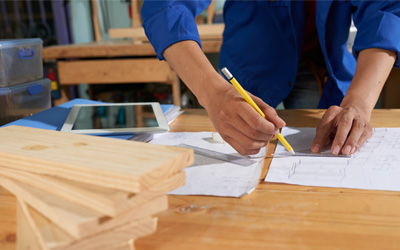
Why Builders & Designers Prefer Made in India Plywood Behind every well-designed home, premium office, luxury hotel, or commercial space is a strong foundation built with high-quality materials. While finishes and décor often receive the most attention, experienced builders and interior designers know that the longevity of a project depends on the quality of its core materials. One such material is Made in India plywood, which has become the preferred choice for professionals seeking strength, consistency, sustainability, and long-term value. Today’s Indian plywood industry has evolved with advanced manufacturing technologies, stringent quality standards, and environmentally responsible production practices. Leading manufacturers like SomaniPly deliver premium plywood solutions backed by globally recognized certifications, helping architects, contractors, furniture manufacturers, and interior designers create spaces that perform beautifully for years. Whether it’s a residential villa, modular kitchen, office workspace, retail showroom, or hospitality project, choosing certified Indian plywood ensures every project starts with confidence. Why Professionals Choose Made in India Plywood Builders and designers select plywood based on performance rather than price alone. Every sheet must offer durability, stability, and reliability throughout the life of the project. Premium Made in India plywood offers: High structural strength Excellent dimensional stability Superior bonding quality Better moisture resistance Consistent manufacturing standards Smooth surfaces for laminates and veneers Long-lasting performance with minimal maintenance These qualities reduce project risks while delivering exceptional value to clients. Certified Plywood Builds Better Projects Modern construction increasingly prioritizes sustainability alongside performance. Builders and architects now look for plywood backed by certifications that demonstrate responsible sourcing, environmental transparency, and healthier indoor environments. Why SomaniPly Certifications Matter Certification Benefit GreenPro Certified Supports sustainable construction and green building projects. Environmental Product Declaration (EPD) Provides transparent, verified information about the product’s environmental impact throughout its lifecycle. FSC Certified Ensures timber is sourced from responsibly managed forests that promote sustainable forestry. Low VOC Helps improve indoor air quality by reducing volatile organic compound emissions. Low Emission Contributes to healthier homes, offices, educational institutions, and healthcare facilities. These certifications help professionals confidently specify materials that align with modern construction standards and environmentally responsible practices. Built for Indian Conditions One of the biggest advantages of choosing Made in India plywood is that it is engineered specifically for Indian climatic conditions. From coastal humidity to seasonal temperature fluctuations, premium plywood manufactured in India is designed to deliver dependable performance across diverse environments. This makes it suitable for: Modular kitchens Wardrobes Bedroom furniture TV units Office furniture Storage systems Wall paneling Retail interiors Hospitality projects Builders value products that perform consistently regardless of where the project is located. Why Designers Trust Quality Plywood Interior designers understand that beautiful furniture begins with a strong base material. Premium plywood provides excellent support for laminates, veneers, paints, and decorative finishes while maintaining its structural integrity over time. This allows designers to create: Contemporary furniture Curved furniture designs Luxury wardrobes Designer kitchens Custom storage solutions Premium commercial interiors Reliable plywood gives designers greater creative flexibility without compromising durability. Faster Projects with Consistent Manufacturing Project timelines depend on material consistency. Poor-quality plywood often results in fabrication errors, wastage, and additional labour. Premium plywood helps professionals achieve: Precise cutting Smooth machining Better screw holding Uniform thickness Reduced material wastage Faster installation These advantages improve overall project efficiency while helping contractors stay on schedule. Long-Term Value for Every Project Builders are increasingly focused on lifecycle costs rather than initial purchase costs. Durable plywood reduces repairs, replacements, and maintenance throughout the life of a building. Benefits include: Lower maintenance expenses Extended furniture lifespan Better return on investment Reduced material consumption Improved client satisfaction Investing in premium plywood today helps create interiors that continue performing for years without frequent replacements. Why SomaniPly Is the Preferred Choice At SomaniPly, quality, innovation, and sustainability go hand in hand. Every plywood sheet is manufactured using advanced processes and undergoes strict quality control to deliver dependable strength and consistent performance. Backed by GreenPro, EPD, FSC, Low VOC, and Low Emission certifications, SomaniPly supports professionals who want to create sustainable interiors without compromising on quality or aesthetics. Whether you’re an architect designing premium residences, a builder managing large-scale developments, or an interior designer creating bespoke spaces, SomaniPly offers plywood solutions engineered to meet modern construction demands. Conclusion Choosing the right plywood is one of the most important decisions in any construction or interior project. Made in India plywood has earned the confidence of builders and designers through advanced manufacturing, reliable performance, and internationally recognized sustainability certifications. With its commitment to innovation, responsible sourcing, and long-lasting quality, SomaniPly helps professionals build interiors that are durable, functional, and future-ready. Every sheet contributes to stronger furniture, healthier indoor environments, and projects that stand the test of time. Related: Made in India plywood for home interiors and our certificates. Frequently Asked Questions 1. Why do builders prefer Made in India plywood? Made in India plywood is manufactured to suit Indian climatic conditions while offering excellent strength, durability, moisture resistance, and consistent quality for residential and commercial projects. 2. Why is certified plywood important for architects and designers? Certified plywood demonstrates responsible sourcing, environmental transparency, healthier indoor air quality, and compliance with sustainable building practices, making it a preferred choice for modern projects. 3. What certifications does SomaniPly plywood have? SomaniPly plywood is backed by GreenPro, Environmental Product Declaration (EPD), FSC, Low VOC, and Low Emission certifications, reflecting its commitment to quality and sustainability. 4. How does FSC Certification benefit construction projects? FSC Certification ensures timber is sourced from responsibly managed forests, helping builders and designers choose environmentally responsible materials. 5. Why are Low VOC and Low Emission plywood products recommended? Low VOC and Low Emission plywood helps improve indoor air quality, making it suitable for homes, offices, hospitals, schools, and other occupied spaces. 6. Is Made in India plywood suitable for commercial interiors? Yes. Premium Made in India plywood is widely used in offices, hotels, retail stores, educational institutions, healthcare facilities, and hospitality projects because of its durability and consistent performance. 7. How does premium plywood reduce long-term project
How Made in India Plywood Supports Better Home Interiors
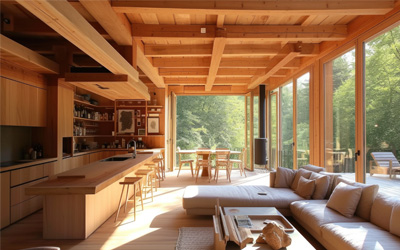
How Made in India Plywood Supports Better Home Interiors When designing a home, the quality of the materials you choose determines how well your interiors perform over time. From wardrobes and modular kitchens to furniture and wall paneling, premium plywood provides the foundation for durable and aesthetically pleasing spaces. Today, Made in India plywood has earned the trust of homeowners, architects, interior designers, and furniture manufacturers by combining advanced manufacturing, certified quality, and sustainable practices. At SomaniPly, we believe that choosing Indian-made plywood is more than supporting local manufacturing. It means investing in products engineered for Indian climatic conditions while meeting international quality and sustainability standards. With certifications like GreenPro, Environmental Product Declaration (EPD), FSC, Low VOC, and Low Emission, SomaniPly delivers plywood solutions that create healthier, stronger, and longer-lasting interiors. Why Made in India Plywood Is the Smart Choice Indian plywood manufacturing has evolved significantly over the years. Modern manufacturing facilities now produce premium plywood that competes with global quality standards while offering excellent durability, moisture resistance, dimensional stability, and consistent performance. Whether you’re building a new home or renovating an existing one, locally manufactured plywood offers reliable quality, faster availability, and products specifically designed for Indian environments. Benefits of Choosing Made in India Plywood Engineered for Indian weather conditions Manufactured using advanced production technology Premium quality with consistent performance Supports Indian manufacturing and employment Faster product availability and service Available in multiple grades for every application Certified for sustainability and healthier interiors Why SomaniPly Stands Apart Every interior project deserves materials that combine performance with environmental responsibility. SomaniPly manufactures premium plywood backed by globally recognized certifications that support sustainable construction and healthier living spaces. Certification Why It Matters GreenPro Certified Supports sustainable and green building projects. Environmental Product Declaration (EPD) Provides verified environmental transparency throughout the product lifecycle. FSC Certified Ensures timber is sourced from responsibly managed forests. Low VOC Helps improve indoor air quality by reducing volatile organic compounds. Low Emission Creates healthier indoor environments for families and workplaces. These certifications help homeowners, architects, builders, and interior designers confidently select plywood that aligns with modern sustainability goals. Designed for Every Interior Space Made in India plywood is suitable for a wide range of residential and commercial applications. Modular kitchens Wardrobes Bedroom furniture TV units Office furniture Storage cabinets Wall paneling Commercial interiors With different plywood grades available for moisture resistance, flexibility, decorative applications, and structural performance, every project can use the right material without compromising quality. Built for Long-Term Value Choosing premium plywood is an investment that continues delivering value for years. High-quality plywood reduces maintenance, minimizes repairs, and extends the lifespan of furniture. This means fewer replacements, less material waste, and lower ownership costs over time. For homeowners, this translates into beautiful interiors that retain their strength and appearance despite daily usage. For architects and contractors, it ensures predictable performance and consistent project outcomes. Supporting Sustainable Homes Sustainability begins with responsible material selection. Certified Made in India plywood helps reduce environmental impact by promoting responsible forestry, improving indoor air quality, and supporting green building initiatives. SomaniPly’s commitment to GreenPro, EPD, FSC, Low VOC, and Low Emission standards reflects our dedication to creating products that benefit both people and the planet. As more homeowners prioritize sustainable living, selecting certified plywood becomes an important step toward building healthier and more environmentally responsible homes. Why Homeowners Trust SomaniPly At SomaniPly, quality is built into every sheet of plywood. Our products are designed to deliver exceptional strength, durability, and consistent performance while meeting evolving sustainability requirements. Whether you’re furnishing a home, designing commercial interiors, or executing large-scale construction projects, SomaniPly offers certified plywood solutions that combine innovation, reliability, and environmental responsibility. Conclusion Choosing Made in India plywood is a smart investment in quality, durability, and sustainability. With advanced manufacturing, internationally recognized certifications, and products designed for Indian conditions, SomaniPly helps create interiors that remain beautiful, functional, and dependable for years to come. Every sheet contributes to stronger furniture, healthier indoor spaces, and a more sustainable future. Also: why builders prefer Made in India plywood, About SomaniPly, and plywood products. Frequently Asked Questions 1. Why should I choose Made in India plywood for my home? Made in India plywood is designed for Indian climatic conditions, offers reliable quality, faster availability, and supports local manufacturing while meeting international quality standards. 2. Is SomaniPly plywood suitable for modular kitchens and wardrobes? Yes. SomaniPly offers premium plywood suitable for modular kitchens, wardrobes, furniture, cabinets, office interiors, and other residential and commercial applications. 3. What certifications does SomaniPly plywood have? SomaniPly plywood is backed by GreenPro, Environmental Product Declaration (EPD), FSC, Low VOC, and Low Emission certifications, reflecting its commitment to sustainability and responsible manufacturing. 4. How does FSC Certification benefit homeowners? FSC Certification ensures that the timber used in SomaniPly plywood is sourced from responsibly managed forests, supporting sustainable forestry and environmental conservation. 5. Why are Low VOC and Low Emission plywood important? Low VOC and Low Emission plywood improves indoor air quality by reducing harmful emissions, making homes, offices, schools, and healthcare spaces healthier. 6. Is certified plywood better for sustainable homes? Yes. Certified plywood helps reduce environmental impact, supports responsible sourcing, contributes to healthier indoor environments, and aligns with green building practices. 7. How does premium plywood reduce long-term costs? High-quality plywood lasts longer, requires less maintenance, and minimizes replacements, helping homeowners save on repair and renovation costs over time. 8. Why choose SomaniPly over ordinary plywood? SomaniPly combines premium manufacturing, sustainable certifications, consistent quality, and durable performance to deliver reliable plywood solutions for modern homes and commercial interiors.
Why Modern Offices Prefer HDHMR Boards for Better Workspaces
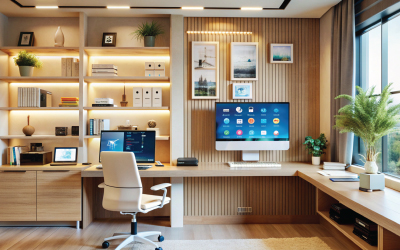
Why Modern Offices Prefer HDHMR Boards for Better Workspaces Office interiors have evolved far beyond basic desks and storage units. Today’s workplaces are expected to be durable, efficient, visually appealing, and low-maintenance—all at the same time. Materials used in these spaces must handle daily wear, frequent cleaning, and changing layouts without losing performance. This is exactly why HDHMR boards are becoming a preferred choice in modern office design. They offer a balance of strength, moisture resistance, and finish quality that suits the demands of high-usage environments. What Makes HDHMR Boards Different HDHMR stands for High Density High Moisture Resistance. These boards are manufactured by compressing wood fibers under high pressure along with resins, creating a dense and uniform structure. This results in a material that offers: High strength and load-bearing capacity Better resistance to moisture compared to standard boards Smooth and consistent surface finish Strong screw holding ability Unlike traditional boards that may weaken over time, HDHMR boards are designed to perform consistently in demanding environments like offices. Why Offices Need More Than Standard Materials Office spaces experience constant usage. Cabinets are opened multiple times a day, workstations carry heavy loads, and partitions are exposed to regular wear. Because of this, materials must handle: Continuous mechanical stress Frequent cleaning and maintenance Occasional moisture exposure (pantries, restrooms) Long working hours without deterioration HDHMR boards meet these requirements more effectively than many conventional options. Strength That Supports Daily Usage One of the biggest reasons offices prefer HDHMR boards is their high density. This density directly translates into strength. In practical terms, this means: Shelves do not sag easily Workstations remain stable over time Cabinets hold weight without bending Screws stay firmly in place This is especially important in large offices where furniture is used intensively every day. Moisture Resistance for Practical Workspaces Even in office environments, moisture exposure is common—especially in pantry areas, near windows, or in regions with humidity. HDHMR boards offer better resistance to: Accidental water spills Humidity fluctuations Cleaning liquids This reduces the risk of swelling, warping, or surface damage, making interiors more reliable in the long run. Smooth Finish Improves Aesthetic Appeal Modern offices place strong emphasis on design and branding. Clean lines, premium finishes, and uniform surfaces are essential. HDHMR boards provide: Smooth surfaces for laminates and finishes Consistent texture across panels Clean edges for precise detailing This helps achieve a polished and professional look across workspaces. Ideal for Modular and Flexible Office Design Workspaces today are designed to be flexible. Teams grow, layouts change, and furniture often needs to be reconfigured. HDHMR boards support this trend by offering: Easy machinability Consistent dimensions Strong reusability This makes them suitable for modular furniture, partitions, and workstations that may be adjusted over time. Where HDHMR Boards Work Best in Offices HDHMR boards are widely used across different areas within office interiors. They perform particularly well in: Workstations and desks Storage cabinets and drawers Office partitions Conference tables Pantry units Their versatility allows designers to use them across multiple applications without compromising on performance. HDHMR vs Traditional Boards: A Practical Comparison Feature HDHMR Boards Traditional Boards Density High Moderate Strength Strong load-bearing Limited Moisture Resistance Good Low to moderate Surface Finish Smooth and uniform May vary Durability Long-lasting Moderate This comparison highlights why HDHMR boards are better suited for demanding environments like offices. Cost vs Long-Term Value HDHMR boards may come at a slightly higher initial cost compared to basic materials. However, they offer better long-term value. They help reduce: Repair and maintenance costs Furniture replacement frequency Structural issues over time For offices, where downtime and repairs can disrupt operations, this reliability becomes a major advantage. The Importance of Consistent Quality In large office projects, consistency across materials is critical. Variations in board quality can affect installation, finish, and durability. Reliable manufacturers like SomaniPly offer HDHMR boards designed for uniform performance, helping architects and contractors achieve consistent results across workspaces. You can explore their product range here: SomaniPly Official Website Practical Tips for Better Performance To get the most out of HDHMR boards, proper installation and usage are important. Ensure edges are sealed properly to prevent moisture entry. Use appropriate laminates for added protection. Avoid prolonged exposure to standing water, even though the boards are moisture-resistant. These simple practices help extend the life of office interiors. Final Thoughts Modern offices demand materials that can handle both performance and design expectations. HDHMR boards offer a strong, reliable, and aesthetically versatile solution for today’s workspaces. They support durability, improve finish quality, and reduce long-term maintenance—making them a practical choice for businesses looking to build efficient and long-lasting office interiors. For those planning or upgrading office spaces, choosing high-performance materials like HDHMR boards from trusted manufacturers such as SomaniPly can make a noticeable difference in both functionality and overall experience. See our HDF / HDHMR range and plywood for office workstations. FAQs What are HDHMR boards used for? They are commonly used for office furniture like desks, cabinets, partitions, and storage units. Are HDHMR boards waterproof? They are moisture-resistant but not completely waterproof. They perform well in humid conditions and minor water exposure. Why are HDHMR boards better for offices? Because they offer higher strength, durability, and better finish quality compared to traditional boards. Can HDHMR boards be used for modular furniture? Yes. Their consistency and machinability make them ideal for modular designs. Do HDHMR boards require maintenance? Basic care like sealing edges and avoiding excessive water exposure helps maintain performance. Are HDHMR boards expensive? They have a slightly higher upfront cost but provide better long-term value through durability and reduced maintenance.
How Flexi Grade Plywood Creates Seamless Interior Concepts
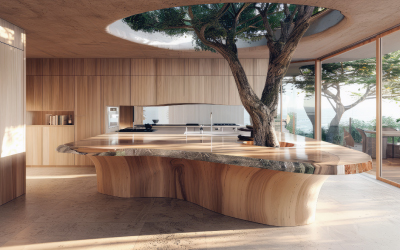
How Flexi Grade Plywood Creates Seamless Interior Concepts Modern interiors are no longer built around straight lines and sharp corners alone. Curves, fluid forms, and continuous surfaces are becoming central to contemporary design. From rounded walls to curved furniture and flowing partitions, the goal is to create spaces that feel natural, connected, and visually smooth. This is where flexi grade plywood changes the game. It allows designers and architects to move beyond rigid structures and bring seamless interior concepts to life—without compromising on strength or practicality. What Makes Flexi Grade Plywood Different Flexi grade plywood is engineered to bend without breaking. Unlike standard plywood, which resists curvature, flexi plywood is designed with a structure that allows easy shaping into curves and waves. This flexibility enables: Smooth curved surfaces Continuous design flow Custom shapes without joints Creative freedom in interiors Instead of forcing design to fit the material, flexi plywood allows the material to adapt to the design. Why Seamless Interiors Are in Demand There is a clear shift in interior design preferences. Straight, boxy layouts are being replaced by softer, more organic forms. Seamless interiors offer: Better visual flow across spaces Fewer visible joints and breaks A premium, modern aesthetic Improved space perception Curved elements make rooms feel larger, more fluid, and less cluttered. This is especially valuable in urban homes where space optimization is important. How Flexi Plywood Enables Curved Design Continuous Wall Panels Flexi plywood allows walls to transition smoothly from one section to another without harsh edges. This creates a more cohesive and elegant look. Curved Furniture Reception desks, TV units, shelves, and sofas can be designed with rounded edges, giving interiors a softer and more refined appearance. Designer Ceilings False ceilings with waves, arcs, and layered curves are easier to execute with flexi plywood. It allows designers to experiment without structural limitations. Partitions and Feature Elements Curved partitions help divide spaces without making them feel closed or rigid. They maintain openness while adding visual interest. Design Advantages That Go Beyond Looks Flexi grade plywood is not just about aesthetics. It also improves how spaces function and feel. Curved edges reduce sharp corners, making interiors safer, especially in homes with children. Smooth transitions improve movement within the space. Seamless designs also reduce dust accumulation in joints and corners, making maintenance easier. These practical benefits make flexi plywood a smart choice, not just a creative one. Precision and Finish Quality One of the key advantages of using flexi plywood is the ability to achieve a high-quality finish. Because it bends smoothly, it allows: Better laminate and veneer application Uniform surface finish Cleaner edges without cracking Minimal need for joints or fillers This results in interiors that look more polished and professionally executed. Where Flexi Plywood Works Best Flexi grade plywood is increasingly being used in both residential and commercial interiors. In homes, it is popular for: Living room feature walls Curved TV units Bedroom headboards Modular furniture accents In commercial spaces, it is widely used in: Office reception areas Retail displays Hospitality interiors Cafés and restaurants These spaces benefit from the ability to create unique, memorable designs. Flexi vs Regular Plywood: A Practical Comparison Feature Flexi Grade Plywood Regular Plywood Bending Ability High Very limited Design Flexibility Excellent Restricted Surface Finish Smooth on curves Not suitable for curves Joint Visibility Minimal More visible Ideal Use Curved designs Flat surfaces This comparison clearly shows why flexi plywood is essential for modern, design-focused interiors. Execution Matters as Much as Material While flexi plywood offers great potential, achieving seamless interiors depends on proper execution. Skilled carpentry ensures that curves are smooth and consistent. Correct layering techniques improve strength. Proper finishing enhances the final look. Without the right application, even the best material cannot deliver the desired outcome. The Role of Reliable Materials Consistency in plywood quality becomes even more important when working with curved designs. Uneven flexibility or weak bonding can lead to cracks or surface issues. Manufacturers like SomaniPly offer flexi grade plywood designed for smooth bending and reliable performance, helping designers achieve precise and durable results. The Future of Interior Design Is Fluid Design is moving toward spaces that feel natural rather than constructed. Straight lines are giving way to curves, and rigid layouts are being replaced by flowing concepts. Flexi grade plywood plays a key role in this transformation. It gives designers the ability to create interiors that are not only visually striking but also more comfortable and functional. Final Thoughts Seamless interiors are no longer limited to luxury projects. With materials like flexi grade plywood, they are becoming more accessible and practical across different types of spaces. Whether it is a modern home, a retail outlet, or an office, the ability to create smooth, continuous designs adds significant value to the overall experience. For anyone looking to move beyond conventional interiors, flexi plywood offers both creative freedom and reliable performance—making it an essential material in contemporary design. Compare with how Flexi Grade differs from regular plywood, Flexi Grade in curved architecture, and Flexi Grade plywood. FAQs What is flexi grade plywood used for? It is used for creating curved surfaces like walls, furniture, ceilings, and partitions. Can flexi plywood replace regular plywood? No. It is best used for curved designs, while regular plywood is still needed for flat structural surfaces. Is flexi plywood strong? Yes, when used correctly and supported properly, it provides good strength along with flexibility. Does flexi plywood crack when bent? High-quality flexi plywood bends smoothly without cracking when handled properly. Is it expensive compared to regular plywood? It can be slightly more expensive, but it offers unique design possibilities that regular plywood cannot achieve. Can laminates be applied on flexi plywood? Yes. It supports laminates and veneers well, ensuring a smooth finish on curved surfaces.
How INDIAWOOD 2026 Highlighted Future Plywood Trends
How INDIAWOOD 2026 Highlighted Future Plywood Trends INDIAWOOD 2026 made one thing very clear—the plywood industry in India is no longer playing catch-up. It is actively redefining how materials are designed, manufactured, and used in modern interiors. What stood out was not just new products, but a clear shift in thinking. Plywood is moving from being a basic structural material to a high-performance, design-driven solution. For architects, contractors, and homeowners, this shift will directly influence how interiors are planned in the coming years. A Clear Shift Toward Performance-Led Materials One of the most noticeable trends was the industry’s focus on performance over price. Manufacturers are no longer competing only on cost—they are competing on durability, finish quality, and long-term reliability. This means plywood is being engineered to: Last longer under stress Maintain shape in changing climates Deliver consistent surface quality Reduce maintenance over time Instead of asking “how much does it cost,” buyers are increasingly asking “how well will it perform after 5–10 years.” Modular Furniture Is Driving Precision The rise of modular interiors has completely changed what is expected from plywood. At INDIAWOOD 2026, it was evident that furniture manufacturing is becoming more machine-driven and precision-focused. Plywood is now expected to support: Clean, machine-cut edges Accurate dimensions across sheets Strong screw holding capacity Smooth laminate bonding Even a small inconsistency can disrupt modular production. This is why manufacturers are focusing heavily on uniformity and precision. Moisture Resistance Is Becoming Standard, Not Premium Across discussions and product showcases, one trend stood out—moisture resistance is no longer a luxury feature. It is becoming a basic expectation. With Indian cities facing varied climates—from coastal humidity to seasonal monsoons—plywood must now perform in real-world conditions. Future-ready plywood is being designed to: Resist swelling and warping Handle prolonged humidity exposure Maintain bonding strength in damp environments This shift reflects growing awareness among homeowners who want interiors that last longer without frequent repairs. Surface Finish Is Now a Key Selling Point Another major evolution is the importance of surface quality. Earlier, plywood was hidden under laminates. Today, it directly influences the final finish. At INDIAWOOD 2026, there was a strong emphasis on: Smoother surfaces for better laminates Uniform texture for premium finishes Reduced core gaps for cleaner cuts Better base material leads to better-looking interiors, and that is becoming a major decision factor. Lightweight Yet Strong Materials Are Gaining Popularity Urban homes are becoming more compact, and furniture needs to be easier to transport and install. This has pushed the demand for lighter yet stronger plywood. Manufacturers are working on balancing: Reduced weight High load-bearing strength Better handling on-site This trend is especially useful for modular kitchens, wardrobes, and high-rise apartment installations. Faster Construction Is Influencing Material Design Time is becoming a critical factor in construction and interior projects. Delays cost money, and materials that slow down installation are being avoided. Plywood solutions are now designed to: Improve cutting efficiency Reduce installation errors Minimize rework Support faster project completion This aligns with the growing demand for quick turnaround times in both residential and commercial projects. Sustainability Is Becoming Practical, Not Just Conceptual Sustainability at INDIAWOOD 2026 felt more practical than promotional. Instead of just talking about being eco-friendly, manufacturers are working on reducing waste and improving efficiency. The focus is shifting toward: Optimized use of raw materials Longer product lifespan Reduced replacement cycles For buyers, this means investing once and avoiding frequent replacements, which is both cost-effective and environmentally responsible. Technology Is Reshaping Manufacturing Another strong takeaway was the role of technology in improving consistency. Modern production is becoming more controlled and precise. This results in: Uniform thickness across sheets Better bonding between layers Fewer defects Reliable performance across batches Consistency is becoming a competitive advantage, especially for large projects. What This Means for the Market These trends are not limited to exhibitions—they will shape real-world buying decisions. Homeowners will start prioritizing durability and finish over price alone. Architects will demand more precision and reliability. Contractors will prefer materials that reduce rework and improve efficiency. In short, expectations from plywood are rising across the board. The Role of Reliable Manufacturers As the industry evolves, choosing the right manufacturer becomes even more important. It is not just about having a wide product range—it is about maintaining consistent quality and adapting to new demands. Brands like SomaniPly are aligned with this shift toward performance-driven plywood, offering solutions that suit modern interior requirements. Future Trends Snapshot Trend What It Means for Buyers Performance focus Longer-lasting interiors Modular precision Better fitting furniture Moisture resistance Reduced damage risk Surface quality Improved aesthetics Lightweight panels Easier installation Faster execution Lower project delays Final Thoughts INDIAWOOD 2026 highlighted a clear direction—the plywood industry is becoming smarter, more precise, and more aligned with real-world needs. The focus is shifting from basic functionality to long-term performance, design compatibility, and efficiency. For anyone involved in construction or interiors, understanding these trends is essential to making better material choices. As expectations grow, the difference between average and high-quality plywood will become even more visible. Choosing the right material today will define how well interiors perform tomorrow. Explore SomaniPly events, The Makers Circle, and our plywood range. FAQs What was the biggest takeaway from INDIAWOOD 2026? The shift toward performance-driven, precision-engineered plywood designed for modern interiors. Why is modular furniture influencing plywood trends? Because it requires highly consistent, accurate, and durable materials for machine-based production. Is moisture resistance becoming necessary? Yes. It is quickly becoming a standard requirement due to varying climate conditions across India. How is technology improving plywood quality? It ensures better consistency, stronger bonding, and fewer defects during manufacturing. Are lightweight materials less durable? Not necessarily. Modern materials are designed to balance weight and strength effectively. What should buyers focus on going forward? Performance, durability, surface quality, and consistency rather than just price or thickness.
What Architects in Delhi Look for Beyond Plywood Thickness
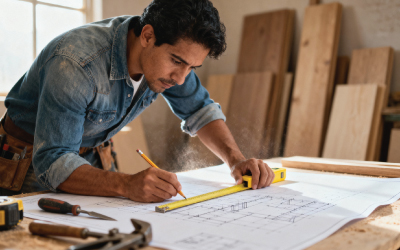
What Architects in Delhi Look for Beyond Plywood Thickness For a long time, plywood selection in residential and commercial projects was reduced to one simple question—“Kitne mm ka hai?” But architects in Delhi have moved far beyond thickness as the primary decision factor. In a city that deals with extreme heat, dust, pollution, and seasonal humidity, performance matters more than just size. Today, architects evaluate plywood as a long-term material decision. They look at how it behaves over time, how it responds to Delhi’s climate, and how it contributes to durability, finish quality, and maintenance costs. Why Thickness Alone Is Not Enough Thickness only tells you how heavy or sturdy a board might feel initially. It does not guarantee strength, durability, or resistance to environmental stress. Two plywood sheets with the same thickness can perform very differently depending on: Core quality Bonding strength Moisture resistance Surface finish Manufacturing consistency This is why architects focus on performance, not just dimensions. Structural Strength and Load-Bearing Capacity Delhi homes often include large wardrobes, modular kitchens, wall panels, and storage units. These require plywood that can handle load without bending or sagging over time. Architects prefer plywood with a dense and uniform core. A strong internal structure ensures: Better screw holding capacity Reduced bending under weight Long-term stability in furniture This becomes especially important in high-use areas like kitchens and wardrobes. Resistance to Delhi’s Climate Conditions Delhi’s weather is not easy on interiors. Summers are extremely hot, winters are dry, and monsoons bring sudden humidity. Because of this, architects prioritize plywood that can handle: Expansion during humid months Contraction during dry heat Resistance to surface cracks Stability under temperature changes Plywood that performs consistently across seasons reduces the risk of warping and joint failure. Surface Quality and Finish Compatibility A smooth and uniform surface is critical for achieving high-end interior finishes. Whether it is laminates, veneers, or paints, the base material must support a clean application. Architects look for plywood that offers: Even surface texture Strong bonding with laminates Minimal core gaps Clean edges for precise cutting Better surface quality directly improves the final look of interiors. Moisture Resistance for Key Areas Even in a relatively dry city like Delhi, certain areas are always exposed to moisture—kitchens, bathrooms, and utility spaces. Architects ensure that plywood used in these areas can: Resist water exposure Prevent swelling and delamination Maintain shape under steam and spills This reduces long-term maintenance issues and improves durability. Dimensional Stability and Precision Modern interior design demands precision. Modular furniture, seamless panels, and fitted units require plywood that does not deform easily. Architects prefer materials that maintain: Straight edges Accurate dimensions Consistent thickness across sheets This helps avoid alignment issues during installation. Termite and Borer Resistance Delhi’s climate, combined with dust and hidden moisture, can sometimes create conditions for pest activity. While no material is completely immune, architects prefer plywood that offers resistance to termites and borers. This adds an extra layer of protection for long-term use. Workability on Site Ease of cutting, drilling, and installation is another factor architects consider. Good plywood should not chip easily or break during handling. Better workability ensures: Faster installation Cleaner joints Reduced material wastage This is particularly important in large-scale projects with tight timelines. Consistency Across Batches One often overlooked factor is consistency. Architects and contractors rely on uniform performance across multiple sheets. Inconsistent plywood can lead to: Uneven finishes Installation challenges Variation in durability This is why choosing a reliable manufacturer becomes critical. Brands like SomaniPly focus on maintaining consistent quality across their product range, helping architects achieve predictable results across projects. You can explore their offerings here: SomaniPly Official Website Thickness vs Performance: A Practical Comparison Factor Only Thickness Focus Architect’s Approach Decision Basis mm measurement Overall performance Durability Uncertain Long-term reliability Finish Quality Inconsistent Smooth and uniform Climate Resistance Often ignored Carefully considered Maintenance Higher Lower Project Outcome Risky Predictable This comparison shows why thickness is just one small part of a much bigger picture. The Shift in Modern Interior Design Thinking Architects today think beyond immediate installation. They consider how materials will perform after one year, five years, or even longer. Their focus includes: Lifecycle cost instead of upfront price Performance across seasons Reduced maintenance requirements Better user experience This shift is why plywood selection has become more strategic than ever. Final Thoughts In Delhi, where environmental conditions can stress materials throughout the year, choosing plywood based only on thickness is no longer enough. Architects look deeper—at strength, stability, finish quality, and long-term performance. These factors ultimately define how well interiors age over time. For homeowners and builders, following this approach leads to better results, fewer repairs, and more durable spaces. Choosing reliable options from trusted manufacturers like SomaniPly helps ensure that interiors not only look good on day one but continue to perform for years. Architects also weigh strength vs sustainability, GreenPro certified materials, and SomaniPly certificates. FAQs Is thicker plywood always better? Not necessarily. Thickness alone does not guarantee strength or durability. Overall quality matters more. Why do architects focus on core quality? A strong core improves load-bearing capacity and prevents bending or sagging over time. Does climate affect plywood in Delhi? Yes. Temperature changes and seasonal humidity can impact plywood performance. What is more important—price or performance? Performance is more important in the long run because it reduces maintenance and replacement costs. Can poor plywood affect interior finish? Yes. It can lead to uneven surfaces, laminate issues, and reduced durability. How do I choose the right plywood? Focus on strength, moisture resistance, surface quality, and consistency rather than just thickness.