
From Kashmir to Kerala: Understanding Plywood Across Climates
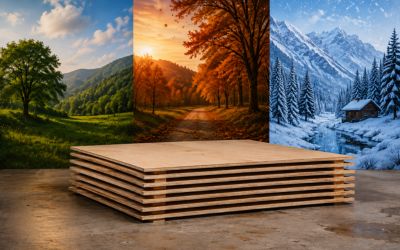
From Kashmir to Kerala: Understanding Plywood Across Climates India’s climate is not one story—it is many. From the cold, dry winters of Kashmir to the humid, rain-heavy environment of Kerala, materials behave very differently depending on where they are used. Plywood, in particular, responds directly to temperature, moisture, and air quality. That is why choosing plywood without considering climate often leads to early damage, swelling, or structural issues. Understanding how plywood performs across regions helps homeowners, architects, and builders make smarter, longer-lasting decisions. Why Climate Plays a Critical Role in Plywood Performance Plywood is made from layers of wood bonded together. Wood naturally reacts to its surroundings. It expands in moisture, contracts in dry air, and can weaken under extreme temperature changes. Across India, three environmental factors affect plywood the most: Moisture and humidity Temperature fluctuations Ventilation and airflow When these are ignored, even well-designed interiors can fail sooner than expected. Kashmir: Cold, Dry, and Temperature-Driven Movement In regions like Kashmir, winters are long and temperatures can drop significantly. The air is relatively dry, especially indoors where heating systems are used. In such conditions, plywood tends to: Shrink slightly due to low moisture Develop minor surface cracks if quality is poor Become brittle over time For these climates, stability matters more than water resistance. Plywood used here should maintain its shape despite temperature variation. Interiors such as wardrobes, wall panels, and furniture benefit from plywood that resists cracking and holds joints firmly even in dry air. North India Plains: Heat, Dust, and Seasonal Swings Cities like Delhi, Jaipur, and Lucknow experience extreme summers and moderate winters. The climate shifts between dry heat and occasional humidity during monsoon. Here, plywood must handle: Expansion in humid months Contraction during dry heat Dust exposure affecting surface finish Versatile plywood that balances strength and moderate moisture resistance works best in these regions. Coastal Cities: Mumbai, Chennai, and Goa Coastal regions face the toughest conditions for plywood. High humidity levels, salt-laden air, and long monsoons create constant exposure to moisture. In these environments, plywood is at risk of: Swelling and warping Fungus and mold growth Delamination Termite infestation This is where high water-resistant plywood becomes essential. Kitchens, wardrobes, and utility spaces especially need materials that can withstand continuous humidity. Kerala: High Humidity and Heavy Rainfall Kerala represents one of the most demanding climates for interiors. Humidity levels often remain above 80%, and rainfall is frequent and intense. In such conditions: Regular plywood deteriorates quickly Furniture can develop odor and fungus Edges and joints weaken faster Waterproof plywood performs significantly better here. It prevents moisture penetration and maintains structural strength even during prolonged exposure to damp conditions. Bangalore and Moderate Climates Cities like Bangalore fall somewhere in between. While temperatures are moderate, the monsoon brings consistent moisture and humidity. The challenge here is not extreme conditions, but prolonged exposure to mild moisture. Over time, this can still damage interiors if the wrong plywood is used. This is why many homeowners prefer moisture-resistant or waterproof plywood even in relatively moderate climates. Climate vs Plywood Performance: A Practical Comparison Region Key Climate Factor Common Plywood Issue Recommended Approach Kashmir Cold and dry Shrinkage, cracks Dimensionally stable plywood North Plains Heat + seasonal humidity Expansion and contraction Balanced performance plywood Coastal Cities High humidity + salt air Swelling, fungus High water-resistant plywood Kerala Extreme humidity + rain Rapid deterioration Waterproof plywood Bangalore Moderate + monsoon moisture Slow swelling over time Moisture-resistant plywood This table shows that plywood selection should always align with local climate conditions rather than a one-size-fits-all approach. How Climate-Smart Choices Improve Interiors When plywood matches the climate, it delivers clear benefits: Longer furniture lifespan Reduced maintenance costs Better structural stability Consistent surface finish Protection against moisture damage Ignoring climate leads to repeated repairs, replacements, and unnecessary expenses. Small Design Decisions That Make a Big Difference Along with choosing the right plywood, a few practical steps improve performance across all climates. Proper ventilation reduces moisture buildup. Keeping furniture slightly away from walls prevents damp transfer. Sealing edges and using good laminates protects surfaces from environmental exposure. These simple decisions can extend the life of interiors significantly. Choosing the Right Manufacturer Still Matters While climate plays a major role, consistency in plywood quality is equally important. Uniform bonding, strong core material, and reliable performance ensure that the plywood behaves as expected in different environments. Manufacturers like SomaniPly design plywood solutions suitable for varied Indian climates, helping homeowners and professionals achieve better durability across regions. Final Thoughts From the cold valleys of Kashmir to the humid landscapes of Kerala, plywood performance changes with climate. What works in one region may fail in another. Understanding these differences allows you to choose the right material for the right environment. It is a simple shift in approach, but it makes a significant difference in durability, cost efficiency, and overall interior quality. For anyone planning interiors across India, climate-aware plywood selection is not just a technical detail—it is a long-term investment in better living spaces. Also read how to choose plywood for Indian climate conditions and how Chennai’s humidity affects plywood furniture. FAQs Does climate really affect plywood performance? Yes. Moisture, temperature, and humidity directly impact plywood strength, stability, and lifespan. Which plywood is best for humid regions? Water-resistant or waterproof plywood performs best in high-humidity areas like coastal cities and Kerala. Why does plywood crack in cold regions? Dry air and low temperatures can cause shrinkage, leading to minor cracks in low-quality plywood. Is the same plywood suitable across India? Not always. Different climates require different performance characteristics. How can I protect plywood in any climate? Ensure proper ventilation, avoid moisture exposure, seal edges, and choose high-quality materials. Does good plywood eliminate all climate-related issues? It reduces risks significantly, but proper installation and maintenance are still important.
From Bandra to Powai Why Mumbai Homes Prefer-BWP Plywood

From Bandra to Powai Why Mumbai Homes Prefer BWP Plywood From the sea-facing apartments of Bandra to the high-rise societies of Powai, Mumbai homes share one common challenge—constant exposure to moisture. Whether it is coastal humidity, monsoon rains, or everyday water usage in kitchens and bathrooms, interiors in Mumbai face far more stress than in most other cities. That is exactly why BWP (Boiling Water Proof) plywood has become the preferred choice for homeowners, interior designers, and architects across the city. It is not just a premium option anymore—it is a practical necessity for long-lasting interiors. Mumbai’s Climate Demands Stronger Materials Mumbai experiences high humidity levels throughout the year, often ranging between 60% to 90%. During monsoons, this rises even further, creating ideal conditions for moisture damage. In such an environment, regular plywood tends to: Absorb moisture and swell Develop fungus and mold Lose structural strength Peel laminates Attract termites faster BWP plywood, on the other hand, is engineered to resist these conditions, making it far more suitable for Mumbai homes. What Makes BWP Plywood Different BWP plywood is manufactured using high-quality hardwood veneers bonded with waterproof adhesives. This construction ensures that the board remains stable even when exposed to water for extended periods. Unlike standard plywood, BWP plywood: Resists boiling water exposure Maintains shape under humidity Prevents delamination Offers better strength and durability This is why it is commonly referred to as marine-grade plywood. Why Homes from Bandra to Powai Prefer BWP Plywood Coastal Impact in Bandra and Nearby Areas Homes closer to the sea face continuous exposure to salt-laden air and high humidity. This accelerates corrosion and moisture absorption in furniture. BWP plywood provides a protective barrier, helping furniture maintain its structure and finish for years. High-Rise Living in PowaiModern apartments in Powai often have limited ventilation in certain areas like kitchens, wardrobes, and utility spaces. This leads to trapped moisture. BWP plywood prevents swelling and fungal growth, making it ideal for such indoor conditions. Monsoon Resilience Across MumbaiHeavy rainfall during Mumbai monsoons can lead to seepage, damp walls, and water exposure. BWP plywood handles these conditions much better than regular or MR grade plywood. Where BWP Plywood Works Best in Homes KitchensKitchens are constantly exposed to steam, spills, and heat. BWP plywood ensures cabinets remain stable and durable. BathroomsVanity units and storage cabinets in bathrooms require maximum water resistance. BWP plywood performs reliably even in damp environments. WardrobesWardrobes near exterior walls often face hidden moisture. Using BWP plywood prevents internal damage and odor issues. Utility AreasSpaces like washing machine cabinets and sink storage units benefit from waterproof properties. Performance Comparison: BWP vs Regular Plywood Feature BWP Plywood Regular Plywood Water Resistance Extremely high Low Humidity Performance Excellent Moderate to poor Lifespan 15–25 years (approx.) 5–10 years Termite Resistance Strong (treated) Limited Maintenance Low High This comparison clearly shows why BWP plywood is a smarter long-term investment for Mumbai homes. Cost vs Value: Why BWP Makes Sense BWP plywood may cost 20–30% more than regular plywood initially. However, it significantly reduces: Repair and replacement costs Maintenance expenses Risk of damage during monsoon Over time, homeowners actually save more by choosing BWP plywood from the start. Choosing the Right Brand Matters Not all BWP plywood delivers the same performance. Consistency in manufacturing, quality of raw materials, and bonding technology make a big difference. Trusted manufacturers like SomaniPly offer BWP-grade plywood designed for high-moisture environments, ensuring durability and long-term reliability. You can explore their range here: SomaniPly Official Website Smart Tips for Mumbai Homeowners Even with BWP plywood, a few good practices can enhance durability. Ensure proper ventilation in kitchens and wardrobes. Fix leakages immediately. Keep furniture slightly away from damp walls. Use proper laminates and edge sealing. These small steps help maximize the lifespan of interiors. Final Thoughts From Bandra’s coastal homes to Powai’s modern apartments, Mumbai interiors face constant moisture challenges. Choosing BWP plywood is no longer just about premium quality—it is about practical, long-term protection. It offers superior resistance, better durability, and peace of mind during harsh monsoons. When combined with proper installation and maintenance, it ensures that your furniture stays strong, stable, and visually appealing for years. For homeowners planning interiors in Mumbai, investing in reliable solutions like those from SomaniPly is a smart and future-ready decision. More on BWP for kitchens and bathrooms and BWR / BWP grade plywood. FAQs Why is BWP plywood ideal for Mumbai homes? Because it resists high humidity, water exposure, and fungal growth, making it perfect for coastal and monsoon conditions. Is BWP plywood suitable for kitchens and bathrooms? Yes. It performs exceptionally well in high-moisture areas like kitchens and bathrooms. Does BWP plywood last longer than regular plywood? Yes. It offers a significantly longer lifespan due to its superior water resistance and strength. Is BWP plywood expensive? It has a higher upfront cost but reduces long-term maintenance and replacement expenses. Can BWP plywood prevent termite damage? Most BWP plywood is treated for termite resistance, adding an extra layer of protection. Do I still need maintenance with BWP plywood? Basic maintenance like ventilation and leak prevention helps maximize its lifespan.
How Proper Handling Improves Shuttering Plywood Performance
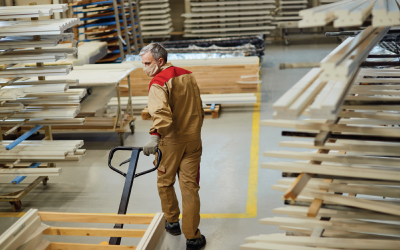
How Proper Handling Improves Shuttering Plywood Performance In construction, most people focus on the quality of shuttering plywood but overlook something equally important—how it is handled on-site. Even premium plywood can fail to deliver if workers store it improperly, expose it to moisture, or misuse it during concrete pouring. On the other hand, proper handling significantly improves plywood performance, extends its lifespan, and ensures better concrete finish quality. For builders and contractors in Bangalore, where weather conditions can shift quickly, handling practices play a crucial role in maintaining consistency on-site. Why Handling Matters as Much as Quality Shuttering plywood is designed to withstand load, pressure, and moisture. However, it is not indestructible. When handled correctly, a good quality board can deliver 15–25 reuse cycles. With poor handling, that number can drop to 5–8 uses or even less. This difference directly impacts: Project cost Concrete finish quality Construction timelines Material wastage That is why experienced contractors treat shuttering plywood as a reusable asset rather than a disposable material. What Proper Handling Actually Means Proper handling is not complicated, but it requires consistency. It starts from the moment plywood reaches the site and continues until its final reuse cycle. Storage Conditions Make the First Difference Plywood should always be stored on a flat, elevated surface. Direct ground contact exposes it to moisture, which weakens the core and reduces load-bearing strength. Ideally, you should: Keep plywood at least 6–8 inches above ground Store it under a covered area Protect it from direct rain and sunlight Even brief exposure to rain can increase moisture content and reduce performance. Edge Protection Prevents Early Damage Edges are the weakest part of any plywood sheet. If they absorb water or get chipped, the entire board becomes vulnerable. Applying edge sealant or paint can increase plywood life by up to 20–30% in real site conditions. Cleaning After Every Use Improves Reusability After de-shuttering, concrete residue often sticks to the surface. If not cleaned properly, it creates rough patches that affect the next pour. Cleaning with a soft tool and avoiding aggressive scraping helps maintain surface smoothness across multiple cycles. Use of Shuttering Oil Improves Finish Quality Applying shuttering oil before pouring concrete creates a barrier between the plywood and concrete. This helps: Prevent sticking Improve surface finish Reduce damage during removal Proper oiling can increase reuse cycles by 5–10 additional uses depending on site practices. Impact of Good vs Poor Handling The difference becomes very clear when you compare outcomes: Factor Proper Handling Poor Handling Reuse Cycles 15–25 times 5–8 times Surface Finish Smooth and even Rough and patchy Water Damage Minimal High Repair Work Low High Overall Cost Optimized Increased This is why handling practices often matter as much as the plywood itself. How Handling Affects Concrete Finish Concrete takes the exact shape of the surface it touches. If the plywood is clean, smooth, and structurally stable, the concrete finish will reflect that. Poor handling leads to: Uneven surfaces Honeycombing Visible marks and patches Increased plastering requirements Good handling ensures: Consistent surface texture Better structural accuracy Reduced finishing work Best Practices Followed by Professional Contractors Top contractors follow a few disciplined practices that significantly improve plywood performance. They avoid dragging sheets across rough surfaces, which damages the film coating. Instead, they lift and place them carefully. They also ensure that nails and fasteners are removed properly to avoid internal damage. Another important practice is rotating plywood sheets across different sections of the project. This prevents overuse of a single board and ensures uniform wear. Why This Matters More in Bangalore Bangalore’s climate includes sudden rains, moderate humidity, and varying temperatures. These conditions can quickly damage improperly stored plywood. Even high-quality shuttering plywood can lose strength if exposed to repeated moisture cycles. Proper handling protects the board from environmental stress and ensures consistent performance throughout the project. Role of Quality + Handling Together Handling alone cannot compensate for poor-quality plywood. Similarly, even the best plywood will underperform if handled carelessly. The ideal approach is to combine both: Use high-quality shuttering plywood Follow disciplined handling practices Reliable manufacturers like SomaniPly design shuttering plywood that performs well under pressure and multiple reuse cycles. When paired with proper handling, the results become significantly better in terms of durability and finish quality. You can explore more about their products here: SomaniPly Official Website For detailed product insights: Shuttering Plywood Range Small Mistakes That Reduce Plywood Life Some common on-site mistakes reduce plywood performance drastically. Leaving plywood exposed to rain overnight increases internal moisture content. Using excessive force during removal damages the surface film. Stacking sheets unevenly causes bending and warping. Avoiding these mistakes alone can improve plywood life by 30–40%. Real Cost Impact on Projects Let’s consider a simple scenario. If one plywood sheet costs ₹1000 and is reused: 5 times → Cost per use = ₹200 20 times → Cost per use = ₹50 This shows a 75% cost reduction simply through proper handling. Multiply this across hundreds of sheets, and the savings become substantial. Final Thoughts Shuttering plywood performance is not just about manufacturing quality. It is equally about how responsibly it is handled on-site. Proper storage, cleaning, oiling, and usage practices can double or even triple the lifespan of plywood. This leads to better concrete finish, lower costs, and faster project completion. For builders and contractors aiming for consistent results, combining good handling practices with reliable plywood from trusted brands like SomaniPly is the most practical approach. Continue with concrete finish quality, protecting shuttering edges, and film faced shuttering grade. FAQs How many times can shuttering plywood be reused? With proper handling, good quality shuttering plywood can be reused 15–25 times. Poor handling reduces this significantly. Does shuttering oil really improve plywood life? Yes. It prevents sticking and reduces surface damage, increasing reuse cycles and improving finish quality. Can improper storage damage plywood? Yes. Exposure to moisture and uneven stacking can weaken the board and reduce its strength. Why does plywood bend on-site? Improper storage, excess moisture, and uneven support
How-Good Shuttering Plywood Improves Concrete Finish Quality
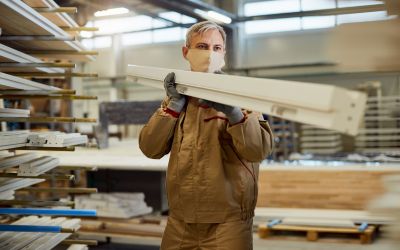
How Good Shuttering Plywood Improves Concrete Finish Quality Concrete work is only as good as the surface it sets against. You can use the best cement mix and still end up with rough, uneven finishes if the shuttering plywood is poor. On the other hand, high-quality shuttering plywood quietly does the heavy lifting—it shapes the concrete, holds pressure, and determines how smooth or flawed the final surface looks. In a city like Bangalore, where construction happens year-round and weather conditions can be unpredictable, choosing the right shuttering material becomes even more important. Why Shuttering Plywood Matters More Than You Think Shuttering plywood acts as the mould for concrete. When wet concrete is poured, it exerts significant pressure on the surface. If the plywood bends, absorbs water, or has surface inconsistencies, those flaws transfer directly onto the concrete. That is why experienced contractors don’t compromise here. Good shuttering plywood ensures: Smooth and even concrete surface Minimal patchwork after de-shuttering Proper shape and alignment Reduced plastering cost Faster project completion What Happens When You Use Low-Quality Shuttering Plywood Cutting costs on shuttering plywood often leads to visible and expensive problems later. Common issues include:Uneven concrete surfaces Honeycombing and air gaps Cement slurry leakage Bulging or misaligned structures Increased repair and finishing work Poor plywood absorbs water from the concrete mix, weakening both the board and the concrete surface. It also loses strength quickly, making it unsuitable for repeated use. How High-Quality Shuttering Plywood Improves Finish 1. Smooth Surface = Better Concrete Finish Good shuttering plywood comes with a uniform, film-coated surface. This smooth layer prevents the concrete from sticking and ensures a clean finish after removal. The result is a polished, uniform surface that requires minimal plastering or corrections. 2. High Strength Prevents Bulging During pouring, concrete puts immense lateral pressure on the shuttering. Strong plywood holds its shape without bending. This helps maintain straight edges, accurate dimensions, and structural integrity. 3. Low Water Absorption Protects Concrete Quality Premium shuttering plywood resists water absorption. This is critical because: It prevents moisture loss from concrete Maintains proper curing Reduces surface cracks Improves overall strength 4. Tight Bonding Reduces Leakage High-density core and strong bonding ensure that cement slurry does not leak through joints. This helps avoid honeycombing and patchy surfaces. 5. Reusability Without Quality Loss Good shuttering plywood can be reused multiple times without losing surface quality. Even after several uses, it continues to deliver consistent results. This reduces long-term construction costs significantly. Key Features to Look for in Shuttering Plywood If you want better concrete finishing, focus on these factors instead of just price: Uniform Thickness Ensures even pressure distribution and consistent surface finish. Strong Core Material Hardwood core plywood offers better strength and durability under load. Film Coating A high-quality film layer improves smoothness and prevents sticking. Water Resistance Essential for maintaining shape and performance during concrete curing. Bonding Quality Good bonding prevents layer separation even under stress and moisture. Reliable brands like SomaniPly manufacture shuttering plywood designed for high load-bearing applications, offering consistent surface finish and durability across multiple uses. Where Better Shuttering Makes the Biggest Difference Columns and Beams These structural elements need sharp edges and smooth finishes. Good plywood ensures accuracy and reduces finishing work. Slabs Large surface areas highlight imperfections easily. High-quality shuttering keeps the slab surface level and uniform. Walls Vertical pours require strong plywood that resists bending. This ensures straight, clean wall surfaces. Commercial and High-Rise Projects In large-scale construction, consistency matters. Reusable, durable shuttering plywood improves efficiency and reduces material waste. Cost vs Value: The Real Perspective At first glance, premium shuttering plywood may seem expensive. But in reality, it reduces overall project cost. Here is how: Less plastering and surface correction Reduced labour costs Faster construction cycles More reuse cycles Better structural finish Cheap plywood may save money upfront, but it often increases repair and finishing costs later. Good manufacturers maintain quality consistency and follow industry standards, but what truly counts is how the plywood performs under actual construction conditions. Practical Tips for Better Results Even the best shuttering plywood performs better with proper handling: Apply shuttering oil before pouring concrete Seal edges to prevent water entry Store plywood in dry conditions Clean surfaces after each use Avoid overloading beyond capacity These practices extend the life of the plywood and maintain finish quality across uses. Final Thoughts Shuttering plywood is not just a temporary support—it directly defines the quality of your concrete finish. Choosing high-quality plywood leads to smoother surfaces, stronger structures, and lower finishing costs. For builders, contractors, and developers in Bangalore, investing in reliable shuttering plywood is a practical decision that improves both efficiency and output quality. If you are looking for durable and performance-driven solutions, exploring products from trusted manufacturers like SomaniPly can help ensure better construction outcomes without unnecessary rework. Also read proper handling of shuttering plywood, protecting shuttering edges, and our film faced shuttering grade. FAQs How does shuttering plywood affect concrete finish? It acts as a mould for concrete. A smooth, strong plywood surface results in a cleaner and more even concrete finish. Can poor shuttering plywood damage concrete? Yes. It can cause uneven surfaces, leakage, and structural defects that require additional repair work. How many times can shuttering plywood be reused? High-quality shuttering plywood can be reused multiple times, depending on handling and site conditions. Is film-coated plywood better for shuttering? Yes. Film-coated plywood provides a smoother surface and prevents concrete from sticking. Does shuttering plywood absorb water? Low-quality plywood does. High-quality plywood resists water absorption and maintains its strength. Is expensive shuttering plywood worth it? Yes. It reduces finishing costs, improves quality, and offers better long-term value through multiple reuses.
Prevent Monsoon Damage with Waterproof Plywood in Bangalore
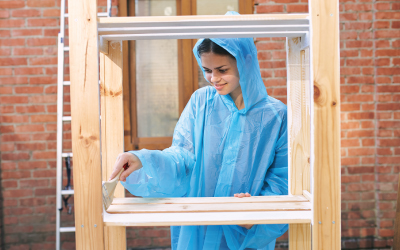
Prevent Monsoon Damage with Waterproof Plywood In Bangalore Every year, the monsoon season in Bangalore brings pleasant weather, cooler temperatures, and unfortunately, moisture-related damage inside homes and commercial spaces. From swollen wardrobes to peeling laminates and weakened kitchen cabinets, excess moisture can quietly destroy furniture if the wrong plywood is used. That is why homeowners, architects, and interior designers increasingly prefer waterproof plywood for interiors that must survive Bangalore’s humid weather conditions. Choosing the right plywood is not just about appearance anymore. It is about durability, strength, termite resistance, and long-term savings. Brands like SomaniPly offer BWR and BWP grade plywood designed to handle moisture-heavy environments while maintaining structural integrity. Why Monsoon Damages Ordinary Plywood Many people assume all plywood performs the same during rainy weather. That is where costly mistakes begin. Standard low-grade plywood absorbs moisture quickly. Once water enters the inner layers, the board starts expanding, bending, or separating. This leads to: Swollen kitchen cabinets Warped wardrobes Loose laminates Fungus growth Termite infestation Weak furniture joints Reduced furniture lifespan In Bangalore, areas with poor ventilation or constant humidity face these issues more frequently during monsoon months. What Makes Waterproof Plywood Different? Waterproof plywood is specially manufactured to resist water penetration and humidity. It uses high-quality hardwood veneers bonded with strong waterproof adhesives that prevent delamination. The two most common waterproof plywood grades are: Plywood Type Water Resistance Best Use MR Grade Moisture resistant Bedrooms, living rooms BWR Grade Boiling water resistant Kitchens, utility areas BWP Grade Fully waterproof Bathrooms, kitchens, commercial use BWP grade plywood, also called marine plywood, offers the highest protection against water exposure. It is ideal for Bangalore homes that experience prolonged humidity during monsoon seasons. According to SomaniPly’s BWP Grade specifications, their plywood uses undiluted phenol formaldehyde resin to improve water resistance and durability. Signs Your Current Plywood Is Not Monsoon-Ready If you notice any of these problems during rainy months, your plywood may not be waterproof: Cabinet edges becoming rough Doors not closing properly Bubbling laminate surfaces Musty smell from wardrobes Black fungus spots Softened plywood corners Visible bending or cracks Ignoring these signs often leads to expensive furniture replacement later. Best Areas to Use Waterproof Plywood in Bangalore Homes Kitchen Cabinets Kitchens face continuous steam, water spills, and humidity. Waterproof plywood prevents swelling and maintains cabinet strength for years. Bathroom Vanity Units Bathrooms remain damp throughout the monsoon. BWP plywood helps prevent moisture absorption and fungal growth. Wardrobes Near Exterior Walls During heavy rains, walls often retain moisture. Waterproof plywood protects wardrobes from hidden dampness. Utility Areas Washing machine sections and sink storage units experience constant water exposure. Marine-grade plywood performs much better here. Commercial Interiors Restaurants, cafés, offices, and retail stores in Bangalore use waterproof plywood for long-lasting interiors with lower maintenance costs. Why Bangalore Homes Need Better Plywood Protection Bangalore’s climate creates a unique challenge. The city experiences moderate temperatures but high moisture retention during rainy seasons. Homes with limited sunlight or ventilation face even greater risks. Using cheap plywood may initially reduce interior costs, but long-term maintenance expenses usually become much higher. High-quality waterproof plywood helps: Increase furniture lifespan Reduce repair costs Prevent fungal growth Improve structural stability Maintain laminate finish Protect against termites and borers How to Choose the Right Waterproof Plywood Not all products marketed as “waterproof” truly offer long-term protection. Before buying plywood, check these factors carefully: Check the Grade For kitchens and moisture-prone spaces, prefer BWR or BWP grade plywood. Ask About Core Material Hardwood core plywood generally performs better than mixed softwood variants. Verify Termite Resistance Good plywood should resist both moisture and pest damage. Choose Trusted Manufacturers Reliable brands maintain better quality control and manufacturing consistency. SomaniPly’s product range includes BWR and BWP grade plywood manufactured for demanding interior applications. Waterproof Plywood vs Regular Plywood Feature Waterproof Plywood Regular Plywood Water Resistance High Low Durability Long-lasting Moderate Termite Resistance Better Limited Ideal for Monsoon Yes No Suitable for Kitchens Excellent Risky Maintenance Cost Lower Higher Smart Interior Tips During Monsoon Even the best plywood lasts longer with proper maintenance. Here are a few practical monsoon care tips: Keep furniture slightly away from damp walls Improve room ventilation Fix leakage immediately Avoid water accumulation near cabinets Use laminates and edge banding properly Choose moisture-resistant adhesives These small precautions help protect interiors throughout Bangalore’s rainy season. Sustainable and Durable Plywood Matters Too Modern buyers are also paying attention to sustainability and indoor air quality. Low-emission adhesives and responsibly sourced wood improve both environmental performance and indoor living conditions. SomaniPly highlights sustainable sourcing, FSC-certified wood, and low VOC adhesives in its manufacturing process. Final Thoughts Monsoon damage is one of the biggest reasons furniture deteriorates early in Bangalore homes. Investing in waterproof plywood from the beginning protects your interiors from swelling, fungus, termites, and expensive repairs later. Whether you are designing a modular kitchen, renovating wardrobes, or planning commercial interiors, choosing high-quality BWR or BWP grade plywood makes a noticeable difference in durability and performance. If you are exploring premium waterproof plywood solutions in Bangalore, brands like SomaniPly offer options designed specifically for moisture-prone applications and long-term reliability. More local guidance: choosing a plywood manufacturer in Bangalore, BWP for kitchens and bathrooms, and BWR / BWP grade plywood. FAQs Which plywood is best for Bangalore monsoon weather? BWR and BWP grade plywood are the best choices for Bangalore homes because they resist moisture, humidity, and water damage effectively. Is waterproof plywood good for kitchens? Yes. Waterproof plywood is ideal for kitchens because it handles steam, spills, and humidity much better than regular plywood. What is the difference between BWR and BWP plywood? BWR plywood is boiling water resistant, while BWP plywood is fully waterproof and suitable for heavy moisture exposure. Can waterproof plywood prevent termite damage? Most premium waterproof plywood products also include termite and borer resistance treatments for better durability. How long does waterproof plywood last? High-quality waterproof plywood can last for many years when installed correctly and maintained properly. Is marine plywood better for bathrooms? Yes. Marine plywood or BWP
Anti-Termite Plywood for Long-Lasting Furniture in Homes
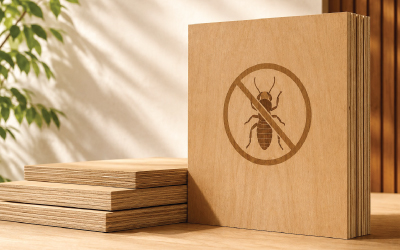
Anti-Termite Plywood for Long-Lasting Furniture in Homes Furniture in homes is expected to last for many years. However, one of the biggest threats to furniture structures is termite damage. Termites can slowly weaken furniture panels, cabinets, and wardrobes if the material used is not properly protected. This is why many homeowners and interior designers prefer anti-termite plywood for furniture. Anti-termite plywood is specially treated during manufacturing to resist termite and pest attacks. This treatment improves the durability of furniture and protects it from structural damage. When used in modular furniture, cabinets, and storage systems, termite-resistant plywood helps ensure long-lasting performance in home interiors. In this guide, we explain how anti-termite plywood works, why it is important for furniture, and how to choose the right type for your home. Understanding Anti-Termite Plywood Anti-termite plywood is designed to provide additional protection against pests that can damage furniture materials. What anti termite plywood means Anti-termite plywood refers to plywood sheets that are treated with special chemicals during manufacturing. These treatments help prevent termites and borers from damaging the internal layers of the plywood. This protection is important for furniture that remains in homes for many years. How termite-resistant plywood is manufactured Termite-resistant plywood is produced using multiple layers of veneer bonded with strong adhesives. During the manufacturing process, chemical treatments are applied to improve resistance against pests. The manufacturing process focuses on: chemical protection against termites strong bonding between plywood layers improved durability of furniture panels These steps help create durable plywood for furniture applications. Why termite protection is important for furniture Furniture structures such as wardrobes, cabinets, and storage units are vulnerable to termite damage if not protected. Once termites enter furniture panels, they can weaken the internal structure. Using termite-resistant plywood reduces the risk of pest damage and improves the life of furniture. Related: top benefits of termite-proof plywood, MR grade plywood, and our certificates. Why Anti-Termite Plywood Is Important for Home Furniture Modern homes use modular furniture systems that rely on strong structural materials. Anti-termite plywood helps maintain the quality and stability of these furniture units. Protection against termite damage Termites can cause hidden damage to furniture, often without immediate visible signs. Anti-termite plywood helps prevent such problems by providing chemical protection. Long-term durability for modular furniture Modular wardrobes, cabinets, and shelving systems require durable materials. Termite-resistant plywood improves furniture lifespan by preventing structural deterioration. Stability for wardrobes, cabinets, and storage units Furniture panels must remain stable over time. When protected from termites, plywood panels maintain their strength and structural integrity. Key Features of Anti-Termite Plywood Several features make termite-resistant plywood suitable for home furniture. Chemical treatment for termite resistance Special chemical treatments are used during manufacturing to prevent termites from attacking plywood layers. Strong bonding for long-lasting furniture High-quality adhesives improve bonding between plywood layers, making the structure stronger and more durable. Resistance to borers and pests In addition to termites, many plywood products are also treated to resist other pests such as borers. Important benefits include: protection against pest damage longer furniture lifespan improved structural stability Smooth surface for laminates and finishes Anti-termite plywood provides a smooth surface that works well with laminates and decorative finishes used in furniture. Common Applications of Anti-Termite Plywood in Homes Termite-resistant plywood is widely used in several furniture applications. Modular wardrobes and storage cabinets Wardrobes and storage units are often large structures that remain in homes for many years. Using termite-resistant plywood improves its durability. Kitchen cabinets and furniture units Kitchen cabinets require strong and durable plywood that can resist pests and maintain structural strength. TV units and wall storage systems Wall-mounted furniture and storage systems benefit from the stability provided by termite-resistant plywood. Study tables and shelving furniture Furniture used for study and work areas must support daily use while maintaining structural strength. Many interior projects use plywood supplied by trusted manufacturers such as SomaniPly, which provides termite-resistant plywood suitable for furniture applications. Choosing the correct thickness ensures furniture stability and long-term performance. Anti-Termite Plywood vs Standard Plywood Choosing the right plywood type is important for long-lasting furniture. Feature Anti-Termite Plywood Standard Plywood Pest resistance Treated to resist termites Limited protection Durability Higher durability Moderate durability Furniture lifespan Longer-lasting May require earlier replacement Maintenance Lower maintenance Higher risk of pest damage Anti-termite plywood provides better protection for furniture used in homes. How to Identify Genuine Anti-Termite Plywood Identifying genuine termite-resistant plywood helps ensure quality and durability. Checking treatment and manufacturing standards Reliable plywood manufacturers follow specific manufacturing processes and chemical treatments to ensure termite resistance. Understanding termite resistance testing Some plywood products undergo tests to verify their resistance against termite attacks. These tests help confirm the effectiveness of the treatment. Verifying plywood certifications and quality marks Before purchasing plywood, check for quality certifications and manufacturer guarantees. Important checks include: Certification markings on plywood sheets Manufacturer quality assurance Product specifications provided by suppliers Factors to Consider When Choosing Anti-Termite Plywood Selecting the right plywood depends on several important factors. Plywood grade and durability Different plywood grades offer varying levels of strength and durability. Choosing the correct grade ensures better furniture performance. Application suitability for furniture Different furniture applications may require different plywood thickness and structural strength. Surface quality for laminates and finishes High-quality plywood surfaces improve the appearance of furniture and make it easier to apply laminates and finishes. Benefits of Using Anti-Termite Plywood in Homes Using termite-resistant plywood provides several long-term advantages for furniture. Long-lasting furniture performance Furniture made with anti-termite plywood tends to last longer and maintain its structural integrity. Reduced risk of termite damage Chemical treatments prevent termite infestations and reduce the risk of hidden damage. Lower maintenance for home interiors Furniture made with termite-resistant plywood requires less maintenance and repair over time. Benefit How It Helps Home Furniture Pest protection Prevents termite damage Durability Extends furniture lifespan Structural stability Maintains furniture strength Reduced maintenance Saves repair costs Frequently Asked Questions 1.What is anti-termite plywood? Anti-termite plywood is plywood treated with chemicals that protect it from termite and
Best Plywood for Modular Furniture in Urban Homes India
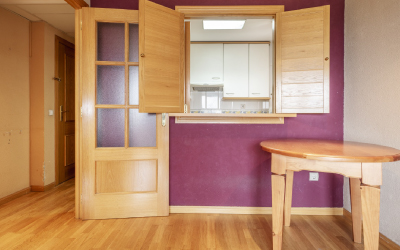
Best Plywood for Modular Furniture in Urban Homes India Urban homes in India are becoming smarter and more space-efficient. Modular kitchens, wardrobes, study units, and wall storage systems are now common in modern apartments. The durability of these furniture systems largely depends on the quality of plywood used. Choosing the best plywood for modular furniture in India ensures better strength, long life, and resistance to moisture, termites, and daily wear. Since modular furniture is designed to last for years, selecting the right plywood grade and thickness becomes very important. In this guide, we explain the best plywood types, thickness, and applications for modular furniture in urban homes. Why Plywood Is the Preferred Choice for Modular Furniture in Urban Homes Plywood is widely used for modular furniture because of its structural strength and stability. Unlike many other panel materials, plywood is made from multiple layers bonded together, which improves its durability and load-bearing capacity. Strength and durability for modern modular furniture Modular furniture needs strong materials that can support everyday use. Plywood offers excellent structural strength, making it ideal for wardrobes, cabinets, and shelving systems. Important benefits include: High load-bearing capacity Strong screw holding ability Long-lasting performance Resistance to cracking or bending These features make plywood a reliable choice for furniture used daily in urban homes. Stability for compact apartment interiors Apartments in cities often have limited space, and modular furniture helps maximise storage. Plywood panels remain stable even when furniture is moved, assembled, or adjusted. Because of its layered structure, plywood offers better dimensional stability compared to many other furniture materials. Compatibility with laminates and modular finishes Modern furniture often uses decorative laminates or finishes. Plywood provides a smooth and strong surface that works well with laminates, veneers, and other finishes. This allows designers to create stylish modular furniture without compromising durability. Key Factors to Consider When Choosing Plywood for Modular Furniture Selecting the right plywood involves more than just thickness. Several factors influence furniture performance and lifespan. Durability and load-bearing strength Modular wardrobes, storage units, and kitchen cabinets carry significant weight. High-quality plywood ensures that furniture remains strong even after years of use. Moisture resistance for kitchens and utility areas Kitchens and utility spaces are exposed to humidity and occasional water contact. Using moisture-resistant plywood helps prevent swelling or damage. Termite and borer resistance for long-lasting furniture Termites and borers can damage furniture over time. Many quality plywood products include chemical treatments that improve resistance against these pests. Surface quality for laminates and decorative finishes Smooth plywood surfaces make it easier to apply laminates and finishes. This improves the appearance and durability of modular furniture. Certifications and quality standards in India Reliable plywood usually follows certain certifications and standards. Important certifications include: E1 emission standards for indoor safety FSC certification for sustainable sourcing EPD and GreenPro certification for verified sustainability performance and eco-conscious building standards Low-emission and low VOC certifications for safer indoor environments and improved air quality Lifetime warranty certification for trusted quality and long-term peace of mind These standards ensure quality and durability. Related: plywood for every room, BWR / BWP grade plywood, and MR grade plywood. Best Types of Plywood for Modular Furniture in India Different types of plywood are used depending on the furniture location and usage. MR Grade Plywood for interior modular furniture MR grade plywood is commonly used for furniture placed in dry indoor areas such as bedrooms and living rooms. Typical applications include: wardrobes bookshelves study tables storage cabinets BWR Grade Plywood for modular kitchens and humid spaces BWR grade plywood offers better water resistance compared to MR plywood. It works well in kitchens and areas exposed to moderate moisture. Common uses include: kitchen cabinets sink storage units bathroom storage cabinets BWP Grade Plywood for waterproof modular furniture BWP plywood provides superior water resistance and is often used for furniture exposed to high moisture. This plywood is ideal for: modular kitchen units bathroom storage furniture outdoor modular furniture Fire Retardant Plywood for safety-focused modular interiors Fire-retardant plywood is treated with chemicals that reduce fire spread. It is often used in commercial spaces and high-rise buildings where safety standards are important. Applications include: office furniture wall panels public interior installations Ideal Plywood Thickness for Modular Furniture The thickness of plywood affects both strength and durability. Different furniture parts require different thickness levels. Plywood Thickness Common Modular Furniture Use 6mm Back panels and partitions 12mm Cabinets and modular storage 18mm Wardrobes and heavy furniture structures Choosing the correct thickness ensures furniture stability and long-term performance. Best Applications of Plywood in Modular Furniture Plywood is versatile and suitable for many types of modular furniture in urban homes. Modular kitchen cabinets and storage units Kitchen cabinets require plywood that can handle moisture, weight, and frequent use. BWR or BWP plywood is usually recommended. Modular wardrobes and bedroom furniture Wardrobes need strong plywood panels to support shelves and hanging storage. 18mm plywood is commonly used for structural parts. TV units and modular wall storage systems Wall-mounted units require stable plywood that can hold electronics and decorative items safely. Study tables and modular workspace furniture Workstations need smooth plywood surfaces that support computer setups and daily use. Shelving and modular display units Display shelves require strong plywood panels to support books, décor, and accessories. Common Mistakes When Choosing Plywood for Modular Furniture Many homeowners overlook important factors when selecting plywood. Common mistakes include: Choosing the wrong plywood grade for kitchens Ignoring termite protection Selecting an incorrect plywood thickness Not checking plywood certifications Avoiding these mistakes can significantly improve furniture durability. Quality Certifications to Look for in Plywood Plywood certifications ensure quality and safety. Certification Importance EPD Ensures transparency in a product’s environmental impact from source to end-of-life. GreenPro Ensures the product meets credible green building and sustainability standards. E1 emission Ensures low formaldehyde emissions FSC certification Supports sustainable materials Low VOC Ensures healthier indoor air quality and reduced chemical emissions Lifetime Warranty Long-term durability and assured performance. Checking these certifications helps ensure that the plywood used
Plywood Guide for Office Workstations & Storage Solutions
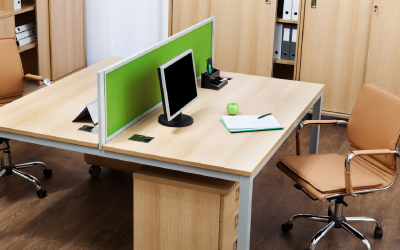
Plywood Guide for Office Workstations & Storage Solutions Designing an efficient office requires materials that offer durability, functionality, and long-term performance. Plywood has become one of the most preferred materials for office workstations and storage solutions because it provides strength, stability, and versatility for modern work environments. From modular desks to organized storage systems, choosing the right plywood helps create office spaces that are both practical and visually appealing. Today’s offices focus on productivity and smart space management. Workstations must support computers, documents, and equipment while maintaining a clean and organized layout. At the same time, storage units such as cabinets, drawers, and file systems must remain durable for daily usage. High-quality plywood plays an important role in ensuring these office structures perform reliably over time Quick Answer Plywood is widely used in office workstations and storage solutions because it provides durability, structural stability, and design flexibility for modern office furniture. Why Plywood Is Ideal for Office Workstations Office workstations require strong materials that can handle continuous use. Plywood offers excellent load-bearing strength, making it suitable for desk structures, workstation partitions, and collaborative workspace furniture. Another advantage of plywood is its dimensional stability. Office furniture must remain stable even when exposed to changing indoor conditions such as temperature and humidity. Properly manufactured plywood maintains its structure without warping or losing its strength. Many modern office interiors also require modular furniture that can be customized based on workspace needs. Plywood sheets are easy to shape, cut, and assemble, allowing designers to create flexible workstation layouts that improve workflow efficiency. Key Features of Plywood for Office Furniture Feature Benefits of Office Furniture Structural Strength Supports heavy office equipment Stability Maintains shape during long-term usage Smooth Surface Ideal for laminated workstation panels Design Flexibility Suitable for modular office layouts Durability Handles daily office usage These characteristics make plywood a reliable choice for companies planning long-lasting office interiors. Plywood for Office Storage Solutions Storage is one of the most important aspects of office design. Documents, files, and equipment need to be stored in an organized way to improve efficiency and maintain a clutter-free workspace. Plywood is commonly used for various storage systems such as cabinets, drawer units, shelves, and archive storage structures. Because plywood provides a strong internal layering, it supports the weight of files and office supplies without losing stability. This makes it ideal for long-term storage solutions used in corporate offices, coworking spaces, and commercial environments. High-quality manufacturers such as SomaniPly produce reliable plywood options that help designers build durable workstation systems and organized storage units for modern office interiors. Applications of Plywood in Office Interiors Plywood is widely used in multiple office furniture applications, including: Modular office workstations Conference tables and meeting desks Storage cabinets and drawer systems File storage shelving Reception desks and workspace partitions These applications highlight how plywood contributes to both functionality and professional office design. Durability and Long-Term Value Office furniture experiences daily usage, making durability an important factor. Plywood offers excellent strength because it is manufactured using a layered construction that enhances stability and load-bearing capacity. This structure allows plywood to handle frequent use in workstations and storage systems without losing performance. Investing in high-quality plywood also reduces maintenance costs and ensures office furniture lasts for many years. Reliable manufacturers such as SomaniPly focus on producing plywood that meets modern furniture requirements, helping businesses create professional workspaces with dependable materials. How to Choose the Right Plywood for Office Furniture Before selecting plywood for office workstations and storage solutions, consider the following factors: Strength Requirements – Workstations and storage units must support equipment and documents.Surface Finish – Smooth surfaces improve the appearance of workstation panels.Durability – Quality plywood ensures long-lasting furniture performance.Design Compatibility – Plywood should support modular office layouts. Choosing the correct plywood ensures that office furniture remains functional, organized, and visually professional. Conclusion Plywood plays a crucial role in designing modern office workstations and storage solutions. Its strength, stability, and versatility make it suitable for desks, partitions, cabinets, and storage systems used in professional environments. By selecting high-quality plywood, businesses can create efficient office interiors that support productivity and long-term durability. Trusted manufacturers like SomaniPly provide reliable plywood solutions that help designers build durable office furniture and well-organized workspace systems. Frequently Asked Questions 1.Why is plywood used for office workstations? Plywood is used for office workstations because it provides strength, stability, and durability for daily office usage. 2.Is plywood suitable for office storage cabinets? Yes, plywood is suitable for office storage cabinets because it supports the weight of files and office supplies. 3.What type of plywood is best for office furniture? High-quality furniture-grade plywood is commonly used for workstations, desks, and storage units. 4.Does plywood improve office furniture durability? Yes, plywood improves durability because its layered structure increases strength and long-term stability. 5.Can plywood be used for modular office furniture? Yes, plywood is ideal for modular office furniture because it is easy to cut, shape, and assemble. 6.How do I choose good plywood for office interiors? Choose plywood with strong construction, smooth surface finish, and reliable manufacturing quality. Also useful: why offices prefer HDHMR, heavy-load shelving plywood, and HDF / HDHMR.
BWP Waterproof Plywood for Kitchens and Bathrooms Guide
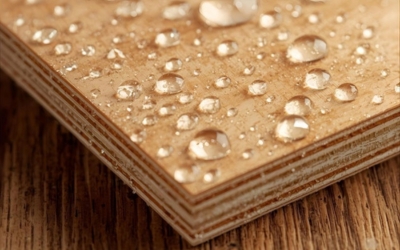
BWP Waterproof Plywood for Kitchens and Bathrooms Guide Kitchens and bathrooms are areas where furniture and cabinets are constantly exposed to moisture and humidity. Because of this, choosing the right material for cabinets, storage units, and partitions becomes very important. One of the most reliable materials used in these spaces is BWP waterproof plywood. BWP plywood, also known as boiling waterproof plywood, is designed to withstand long exposure to water and humid conditions. It is widely used in modular kitchens, bathroom cabinets, and interior furniture where durability and water resistance are essential. In this guide, we explain what BWP waterproof plywood is, why it is suitable for wet areas, and how to choose the right type for kitchens and bathrooms. Understanding BWP Waterproof Plywood BWP plywood is considered one of the highest grades of plywood used for furniture and construction applications that involve water exposure. What BWP waterproof plywood means BWP stands for Boiling Waterproof Plywood. This type of plywood is manufactured with special adhesives that allow it to withstand prolonged exposure to water without losing its strength or bonding. This makes it ideal for furniture used in kitchens and bathrooms. How BWP plywood is manufactured for water resistance BWP plywood is manufactured using hardwood veneers that are bonded together using phenol formaldehyde resin adhesive. This adhesive creates strong bonding between layers, which prevents delamination even when exposed to water. The manufacturing process ensures: Strong bonding between plywood layers High resistance to moisture and humidity Better durability compared to standard plywood Why is BWP plywood used in high-moisture areas Areas such as kitchens and bathrooms often experience water spills, humidity, and steam. BWP plywood performs well in these environments because it maintains structural strength even when exposed to moisture. This makes it a popular choice for waterproof plywood for kitchen cabinets and bathroom furniture. Also see why HDHMR and waterproof plywood suit Indian kitchens, preventing monsoon damage in Bangalore, and BWR / BWP grade plywood. Why BWP Waterproof Plywood Is Ideal for Kitchens and Bathrooms The performance of furniture in wet areas depends heavily on the type of plywood used. BWP plywood offers several advantages that make it suitable for these spaces. Protection against moisture and humidity BWP plywood is designed to resist water penetration. This prevents swelling, warping, or structural damage in furniture exposed to moisture. Long-term durability for modular kitchen cabinets Kitchen cabinets must handle frequent use, heat, and humidity. BWP plywood provides the strength required for long-lasting modular kitchen furniture. Stability in high-moisture bathroom environments Bathroom cabinets and storage units require materials that can handle steam and occasional water contact. BWP plywood maintains stability even in such conditions. Key Features of BWP Waterproof Plywood Several important features make BWP plywood suitable for kitchens and bathrooms. Superior water resistance properties BWP plywood is specifically designed to resist water and humidity. This allows furniture to maintain its structure for many years. High strength and durability for furniture Strong bonding between plywood layers improves load-bearing capacity and durability. Termite and borer-resistant treatment Many high-quality BWP plywood products include chemical treatments that protect against termites and borers. Important advantages include: improved durability of furniture protection against pest damage longer life for modular cabinets Smooth surface for laminates and finishes BWP plywood provides a smooth surface that works well with laminates and decorative finishes used in kitchen and bathroom interiors. Common Applications of BWP Plywood in Interior Spaces BWP plywood is widely used in several interior furniture and structural applications. Modular kitchen cabinets and storage units Most modular kitchen cabinets use waterproof plywood because of its ability to handle moisture and daily usage. Bathroom cabinets and vanity units Vanity units and bathroom storage require durable plywood that can withstand humid conditions. Wall panels and partitions in wet areas In some interiors, plywood panels are used for decorative or functional partitions in kitchens and bathrooms. Furniture for humid environments BWP plywood is also used for furniture in areas with high humidity, such as utility rooms and laundry spaces. Some manufacturers like Somani Ply supply BWP plywood products that are designed for interior furniture applications in moisture-prone environments. BWP Plywood vs Other Plywood Types for Wet Areas Different plywood grades are used depending on the application. The most common comparison is between BWP, BWR, and MR grade plywood. Plywood Type Water Resistance Common Applications MR Grade Moderate moisture resistance Interior furniture in dry areas BWR Grade Good water resistance Kitchens and moderately humid areas BWP Grade Very high water resistance Kitchens, bathrooms, and wet areas BWP plywood generally performs better in areas where prolonged moisture exposure is expected. Choosing the Right Thickness of BWP Plywood Selecting the correct thickness is important for structural strength and durability. 12mm plywood for kitchen cabinets 12mm plywood is commonly used for cabinet panels and internal storage sections. 18mm plywood for heavy furniture structures 18mm plywood provides stronger structural support and is used for main cabinet frames and shelves. 6mm plywood for back panels and partitions 6mm plywood is typically used for back panels and lightweight partitions inside cabinets. Thickness Common Use 6mm Cabinet backs and partitions 12mm Cabinet panels and storage units 18mm Structural cabinet frames How to Identify Genuine BWP Waterproof Plywood Choosing genuine BWP plywood is important for long-term performance. Understanding boiling water resistance testing BWP plywood undergoes boiling water tests to ensure that the bonding between layers remains strong even after exposure to water. Verifying manufacturer quality standards Before purchasing plywood, check manufacturer certifications and product specifications. Important checks include: certification markings on plywood sheets manufacturer quality assurance compliance with industry standards Factors to Consider Before Buying BWP Waterproof Plywood Several factors should be evaluated when selecting plywood for kitchens and bathrooms. Application suitability for kitchen and bathroom furniture Different furniture applications may require different thicknesses or grades of plywood. Durability and long-term performance High-quality plywood ensures that modular furniture remains strong and functional for many years. Benefits of Using BWP Waterproof Plywood in Modern Homes Modern homes require furniture that can withstand
FSC Certified Plywood for Sustainable and Green Buildings
FSC Certified Plywood for Sustainable and Green Buildings Sustainable construction is becoming a priority for modern buildings in India and around the world. Architects, builders, and developers are now choosing materials that reduce environmental impact while maintaining durability and performance. One such important material is FSC-certified plywood. FSC-certified plywood comes from responsibly managed forests and verified supply chains. It helps construction projects meet sustainability goals while offering the strength and reliability needed for modern structures. For green buildings, using certified plywood materials not only improves environmental responsibility but also supports healthier indoor spaces. This guide explains how FSC-certified plywood for green buildings supports sustainable construction, where it is used, and how to identify genuine certified products. Understanding FSC Certified Plywood in Sustainable Construction FSC certification plays an important role in responsible building materials. It ensures that plywood products come from environmentally responsible sources and are processed through verified supply chains. What FSC certification means for plywood FSC stands for Forest Stewardship Council, an international organisation that promotes responsible forest management. When plywood carries an FSC certification, it means that the material is produced according to strict environmental and social standards. This certification verifies that forests are managed in a way that protects ecosystems, wildlife habitats, and local communities. How FSC certification promotes responsible sourcing Responsible sourcing ensures that natural resources are used carefully and sustainably. FSC-certified plywood follows strict supply chain guidelines that track materials from forest to manufacturing. Key aspects of responsible sourcing include: Sustainable forest management practices Protection of biodiversity and ecosystems Ethical labour practices in supply chains Controlled harvesting and forest regeneration These practices help maintain the long-term availability of natural resources. Why certified plywood matters in sustainable construction Modern construction projects aim to reduce environmental impact. Using certified materials like FSC plywood supports these goals while ensuring high structural performance. Certified plywood contributes to: environmentally responsible construction sustainable building design long-term durability of structures See SomaniPly’s full set of certificates, including FSC Chain of Custody, and our guide to GreenPro Certification. Why FSC Certified Plywood Is Important for Green Buildings Green buildings focus on sustainability, energy efficiency, and environmental responsibility. Certified plywood plays an important role in achieving these goals. Supporting sustainable building practices Green building projects use materials that support responsible resource management. FSC-certified plywood ensures that the raw materials are sourced in a sustainable way. This helps construction companies follow environmentally responsible building practices. Reducing environmental impact in construction Construction materials contribute significantly to environmental impact. Certified plywood helps reduce this impact by ensuring that forests are managed responsibly. Benefits include: reduced environmental damage responsible forest resource use sustainable supply chain practices Improving indoor air quality in modern buildings Low-emission plywood products improve indoor air quality by reducing harmful chemical emissions. Many certified plywood products meet strict emission standards used in green construction. This is especially important for residential apartments, offices, and commercial buildings. Key Benefits of Using FSC Certified Plywood in Construction Certified plywood offers several advantages for sustainable architecture and construction. Environmentally responsible material sourcing FSC-certified plywood ensures that the material used in construction comes from forests managed under strict sustainability guidelines. Low-emission plywood for healthier interiors Many green building projects prioritise materials with low emissions. FSC-certified plywood often meets emission standards that support healthier indoor environments. High durability for long-lasting structures Plywood used in construction must provide strength and stability. Certified plywood products offer high durability for both structural and interior applications. Compliance with green building standards Certified plywood helps projects meet sustainability standards used in green building certifications. Benefit How It Supports Green Buildings Responsible sourcing Ensures forests are managed sustainably Low emissions Improves indoor air quality Structural strength Provides durability for construction Certification compliance Supports green building rating systems Applications of FSC Certified Plywood in Green Buildings Certified plywood is used in several construction and interior applications. Interior panels and modular furniture systems FSC-certified plywood is widely used for modular furniture, cabinets, wardrobes, and interior panel systems. Wall partitions and ceiling panels Many commercial and residential buildings use plywood panels for wall partitions and ceilings because of their stability and design flexibility. Flooring, base structures, and architectural elements Certain structural and architectural applications also use plywood because of its strength and load-bearing properties. Commercial and residential building interiors Certified plywood is commonly used in: office interiors residential apartments hotels and commercial spaces retail interiors For example, manufacturers such as SomaniPly provide certified plywood products used in interior projects that focus on durability and sustainability. How FSC Certified Plywood Supports Sustainable Architecture Sustainable architecture focuses on reducing environmental impact while maintaining functionality and design quality. Contribution to green building certification systems Many green building certification systems encourage the use of responsibly sourced materials. FSC-certified plywood helps construction projects meet these requirements. Reducing carbon footprint in building materials Responsible forest management helps reduce the environmental impact associated with raw material extraction. Certified plywood contributes to lower carbon footprints in construction projects. Supporting eco-friendly construction projects Architects and builders prefer certified plywood materials because they support sustainable construction goals. How to Identify Genuine FSC Certified Plywood Not all plywood products claiming sustainability are truly certified. Identifying genuine certification is important. Checking certification labels and markings Genuine FSC-certified plywood usually carries official labels on the product packaging or sheets. Understanding the FSC chain of custody certification Chain of custody certification ensures that the material is tracked through every stage of the supply chain. This system verifies that certified materials are used throughout the manufacturing and distribution process. Verifying supplier certification and product standards Before purchasing certified plywood, it is important to confirm the supplier’s certification. Key checks include: FSC certification number official certification markings supplier documentation Factors to Consider When Selecting FSC Certified Plywood Choosing the right certified plywood involves several important considerations. Plywood grade and durability Different grades of plywood are used depending on the construction application. Selecting the correct grade ensures better performance. Emission standards and environmental compliance Low-emission plywood helps maintain healthy indoor air quality in green buildings.